Lithium Niobate (LiNbO₃) is a chemical compound with a complex crystalline structure and unique optical properties. It plays a vital role in scientific and technological applications, particularly in the fields of physics and chemistry. This material is widely used in optical devices such as modulators and filters due to its ability to modulate light. In the laboratory, Lithium Niobate is essential for experiments involving the interaction of light with solid materials. Its high purity and low trace metal content make it a critical component in research requiring high levels of cleanliness and stability.
Lithium Niobate is preferred for its exceptional optical and electro-mechanical properties. It exhibits piezoelectric characteristics, which enable its use in sensors and electromechanical devices. The material's high purity (99.99%) and minimal trace metal content ensure consistent performance in sensitive applications. These properties make it suitable for advanced research and development in various scientific disciplines. Its optical and electro-magnetic properties are particularly valuable in cutting-edge scientific investigations.
In Indonesian laboratories, Lithium Niobate is commonly used in scientific research, especially in the fields of physics, chemistry, and material technology. It is relevant for studies that require compounds with unique optical and electromagnetic characteristics. This material is essential for experiments involving light manipulation and advanced sensor technologies. Its reliability and performance make it a preferred choice for researchers in Indonesia.
TCI brochures (PDF)
- Practical Lithium Ion Battery Electrolytes with Low Water Content 2024-10-23 · p. 1
- Lithium Compounds for Research and Experimental Use 2026-02-10 · p. 1
- Metallic Salts 2025-11-06 · p. 14
Related TCI products
- TCI L0373 12031-66-2 Lithium Tantalate (9999%, trace metals basis)
- TCI L0212 10377-51-2 Lithium Iodide (999%, trace metals basis) (Low water content)
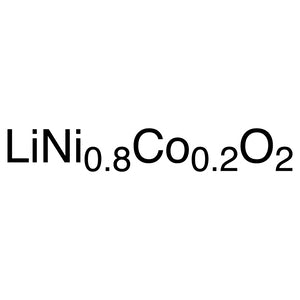
- TCI L0415 113066-89-0 Lithium Nickel Cobalt Oxide (LiNi08Co02O2)
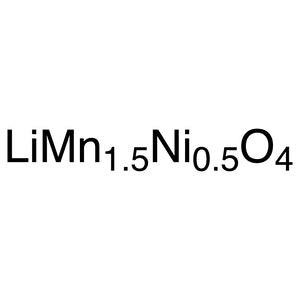
- TCI L0391 12031-75-3 Lithium Manganese Nickel Oxide (LiMn15Ni05O4)
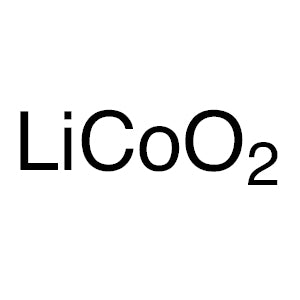
- TCI L0384 12190-79-3 Lithium Cobalt(III) Oxide
- TCI T4019 1317-80-2 Titanium(IV) Oxide, Rutile (999%, trace metals basis)
- Optical Modulation and Filtering: Lithium Niobate is ideal for optical modulators and filters due to its ability to manipulate light efficiently.
- Sensor Development: Its piezoelectric properties make it suitable for use in sensors that detect mechanical or electrical changes.
- Material Science Research: The compound is used in studies involving the interaction of light with solid materials, contributing to the development of new materials.
- Electro-Mechanical Devices: Lithium Niobate's electro-mechanical properties are valuable in the creation of advanced electromechanical systems.
- Scientific Instrumentation: It is a key component in the construction of high-precision scientific instruments requiring optical and electro-magnetic performance.
| Brand | TCI |
|---|---|
| CAS number | 12031-63-9 |
| Molecular formula | — |
| Purity | — |
| Category | Chemistry > Catalysis and Inorganic Chemistry > Metallic Salts |
| Pack sizes | As specified by supplier |
| Physical form | Solid |
| Storage | Store in a cool, dry place away from moisture and direct sunlight. |
Lithium Niobate should be stored in a cool, dry environment to maintain its integrity and prevent degradation. It is recommended to keep the material in airtight containers to avoid exposure to moisture and contaminants. Due to its high purity, it is important to handle the material with care to prevent any physical damage or contamination. Laboratory personnel should wear appropriate personal protective equipment when handling this compound. Storage conditions should be controlled to ensure stability and performance in research applications. Proper storage helps maintain the material's optical and electro-mechanical properties, ensuring reliable results in scientific experiments.
—
Product Categories
Produk Terkait
-
LithiumTantalate(9999%,tracemetalsbasis) TCI L0373
Regular price From Rp 1.829.100,00Regular priceRp 1.278.900,00Sale price From Rp 1.829.100,00 -
LithiumIodide(999%,tracemetalsbasis)(Lowwatercontent) TCI L0212
Regular price From Rp 1.618.050,00Regular priceRp 1.146.600,00Sale price From Rp 1.618.050,00 -
LithiumNickelCobaltOxide(LiNi08Co02O2) TCI L0415
Regular price From Rp 1.829.100,00Regular priceRp 1.278.900,00Sale price From Rp 1.829.100,00 -
LithiumManganeseNickelOxide(LiMn15Ni05O4) TCI L0391
Regular price From Rp 3.155.250,00Regular priceRp 2.206.050,00Sale price From Rp 3.155.250,00 -
LithiumCobalt(III)Oxide TCI L0384
Regular price From Rp 1.829.100,00Regular priceRp 1.278.900,00Sale price From Rp 1.829.100,00 -
Titanium(IV)Oxide,Rutile(999%,tracemetalsbasis) TCI T4019
Regular price From Rp 1.696.800,00Regular priceRp 1.186.500,00Sale price From Rp 1.696.800,00 -
Titanium(IV)Oxide,Rutile(9999%,tracemetalsbasis) TCI T4018
Regular price From Rp 3.419.850,00Regular priceRp 2.390.850,00Sale price From Rp 3.419.850,00 -
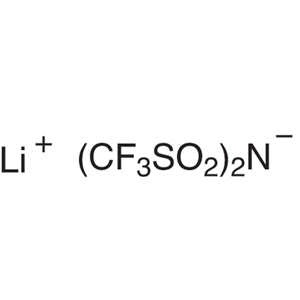
LithiumBis(trifluoromethanesulfonyl)imide TCI B2542
Regular price From Rp 1.483.650,00Regular priceRp 1.053.150,00Sale price From Rp 1.483.650,00