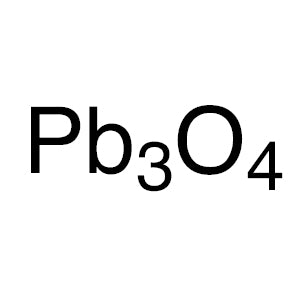
Lead(II,IV) Oxide, also known as PbO, is a chemical compound widely used in laboratory settings for its versatile chemical properties. It plays a crucial role in various chemical reactions, particularly in oxidation and reduction processes. PbO is commonly utilized as a catalyst in synthetic reactions, making it an essential material for chemists working in both inorganic and organic chemistry. Its ability to participate in redox reactions makes it a valuable reagent in the development of new compounds and materials.
One of the key reasons PbO is preferred in laboratory applications is its amphoteric nature, allowing it to react with both acids and bases. This characteristic enhances its utility across a wide range of chemical processes. Additionally, PbO has a high melting point, ensuring stability under typical laboratory conditions. Its resistance to volatilization and chemical reactivity further contribute to its reliability in experimental settings. These properties make PbO a durable and effective choice for long-term use in chemical research.
In Indonesian laboratories, PbO is extensively used in chemical research, particularly in catalysis, synthesis of organic compounds, and analytical chemistry. Its availability and chemical versatility make it a standard material in many research facilities. PbO is also commonly used in the production of pigments and battery components, highlighting its importance in both academic and industrial applications. Its widespread use in Indonesia underscores its significance in the chemical industry and educational institutions.
- Catalysis in oxidation-reduction reactions due to its amphoteric nature and redox activity.
- Synthesis of organic compounds where PbO acts as a catalyst or reagent in multi-step reactions.
- Preparation of pigments and colorants in industrial and academic chemical processes.
- Use in battery component manufacturing as a key material in lead-based electrode formulations.
- Analytical chemistry applications for testing and quantification of various chemical substances.
| Brand | TCI |
|---|---|
| CAS number | 1314-41-6 |
| Molecular formula | — |
| Purity | — |
| Category | Chemistry > Catalysis and Inorganic Chemistry > Main-group Elements |
| Pack sizes | Available in various quantities as per supplier specifications |
| Physical form | Solid powder |
| Storage | Store in a cool, dry place away from moisture and incompatible substances |
Lead(II,IV) Oxide should be stored in a cool, dry environment to maintain its chemical stability. It is recommended to keep it in airtight containers to prevent exposure to moisture, which can lead to degradation. Due to its chemical reactivity, it should be stored away from strong acids, bases, and organic solvents to avoid unwanted reactions. In laboratory settings, it is important to handle PbO with appropriate personal protective equipment, such as gloves and safety goggles, to ensure safety. Proper labeling of storage containers is essential for easy identification and safe handling. Regular inspection of storage conditions ensures that PbO remains in optimal condition for use in chemical experiments.
—
Produk Terkait
-
TCI B5774 5,10-Bis(4,4,5,5-tetramethyl-1,3,2-dioxaborolan-2-yl)naphtho[1,2-c:5,6-c']bis([1,2,5]oxadiazole)
Regular price Rp 10.255.350,00Regular price -
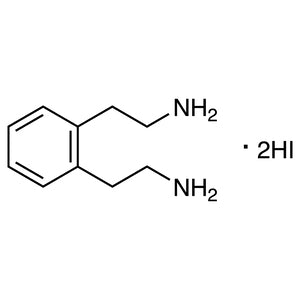
Dihydroiodide TCI B6569
Regular price From Rp 1.936.200,00Regular price -
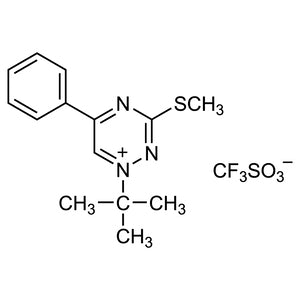
Trifluoromethanesulfonate TCI B7003
Regular price From Rp 1.936.200,00Regular price
![5,10-Bis(4,4,5,5-tetramethyl-1,3,2-dioxaborolan-2-yl)naphtho[1,2-c:5,6-c']bis([1,2,5]oxadiazole) - TCI B5774 - AMI Scientific](http://amiscientific.com/cdn/shop/files/TCI2510B5774.jpg?v=1769180228&width=533)