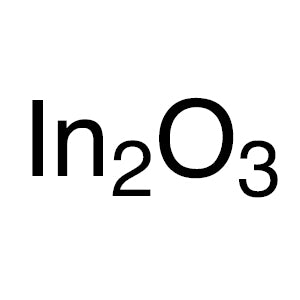
Indium(III) Oxide (In₂O₃), with CAS number 1312-43-2, is a chemical compound widely utilized in both scientific and industrial applications. This material is a key component in various laboratory processes due to its unique chemical and physical properties. It is commonly found in research settings where stability and reactivity control are essential. Its ability to maintain structural integrity under different conditions makes it a reliable choice for a wide range of experiments. In the laboratory, Indium(III) Oxide plays a crucial role in catalytic reactions, particularly in oxidation and reduction processes. Its presence helps in enhancing reaction efficiency and achieving desired outcomes in chemical synthesis.
One of the main reasons Indium(III) Oxide is preferred is its excellent electrical conductivity and high thermal stability. These properties make it suitable for applications that require heat resistance and efficient electron transfer. Additionally, its non-reactive nature under normal conditions ensures that it does not interfere with other substances during experiments. This stability is especially important in environments where maintaining the integrity of the reaction system is critical. The material's crystalline structure also contributes to its reliability, allowing it to be used in various experimental setups without degradation.
In Indonesian laboratories, Indium(III) Oxide is frequently used in chemical research, particularly in the fields of catalysis and inorganic materials. It is a common component in research projects related to material science and electronic applications. Its versatility and reliability make it a valuable resource for scientists and researchers working on advanced chemical processes and technological innovations.
- Catalytic Reactions: Indium(III) Oxide is used in oxidation and reduction processes due to its ability to act as a catalyst, enhancing reaction efficiency without being consumed.
- Electronic Material Synthesis: Its electrical conductivity makes it suitable for the production of electronic components and optoelectronic devices.
- Inorganic Chemistry Research: It is a key material in studies involving inorganic compounds and their properties, supporting various analytical and synthetic techniques.
- Thermal Stability Testing: Its high thermal stability allows it to be used in experiments that require exposure to high temperatures without structural degradation.
- Surface Modification Studies: Its chemical inertness under normal conditions makes it ideal for surface analysis and modification experiments in material science.
| Brand | TCI |
|---|---|
| CAS number | 1312-43-2 |
| Molecular formula | — |
| Purity | — |
| Category | Chemistry > Catalysis and Inorganic Chemistry > Main-group Elements |
| Pack sizes | Available in various quantities as per supplier specifications |
| Physical form | Solid powder |
| Storage | Store in a cool, dry place away from moisture and direct sunlight |
Indium(III) Oxide should be stored in a cool, dry environment to maintain its chemical stability and prevent degradation. It is recommended to use airtight containers to protect it from moisture and humidity, which can affect its properties. Since it is chemically inert under normal conditions, it does not react with air or water, making it relatively safe to handle. However, standard laboratory safety protocols should still be followed, including the use of appropriate personal protective equipment. The material should be kept away from sources of heat and direct sunlight to ensure long-term stability. Proper labeling and storage conditions are essential to maintain its effectiveness in laboratory applications.
—
Produk Terkait
-
TCI B5774 5,10-Bis(4,4,5,5-tetramethyl-1,3,2-dioxaborolan-2-yl)naphtho[1,2-c:5,6-c']bis([1,2,5]oxadiazole)
Regular price Rp 10.255.350,00Regular price -
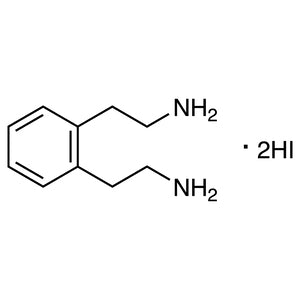
Dihydroiodide TCI B6569
Regular price From Rp 1.936.200,00Regular price -
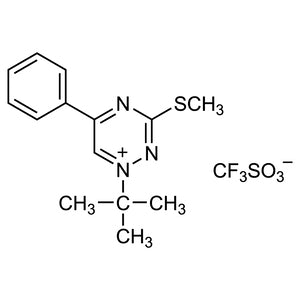
Trifluoromethanesulfonate TCI B7003
Regular price From Rp 1.936.200,00Regular price
![5,10-Bis(4,4,5,5-tetramethyl-1,3,2-dioxaborolan-2-yl)naphtho[1,2-c:5,6-c']bis([1,2,5]oxadiazole) - TCI B5774 - AMI Scientific](http://amiscientific.com/cdn/shop/files/TCI2510B5774.jpg?v=1769180228&width=533)