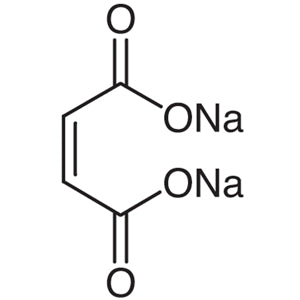
Disodium maleate is a chemical compound widely used as a foundational material in various laboratory reactions. It plays a crucial role in organic synthesis due to its ability to participate in multiple chemical transformations. As a building block, it is essential for creating both heterocyclic and non-heterocyclic compounds. Its versatility makes it a valuable resource for researchers aiming to develop new chemical structures and materials. In laboratory settings, disodium maleate is often selected for its reactivity and compatibility with a wide range of functional groups.
The compound is known for its chemical stability and ease of reaction, which are key factors in its popularity among chemists. It dissolves well in organic solvents such as ethylamine and acetone, facilitating efficient separation and utilization in chemical reactions. These properties make it an ideal choice for synthetic applications requiring controlled and predictable chemical behavior. Its solubility and reactivity ensure that it remains a preferred option for both academic and industrial research.
In Indonesian laboratories, disodium maleate is extensively used in chemical research, particularly in the synthesis of organic compounds and the development of new chemical materials. It is commonly found in university laboratories and research institutions focusing on innovation and scientific advancement. Its availability and reliability make it a staple in the chemical supply chain for Indonesian researchers.
- Organic synthesis applications benefit from disodium maleate due to its reactivity and compatibility with various functional groups, enabling the creation of complex chemical structures.
- It is widely used in the development of new chemical materials, where its ability to form stable intermediates supports the synthesis of advanced compounds.
- In academic research settings, disodium maleate is essential for teaching and experimental work, providing students with a fundamental building block for chemical reactions.
- It supports the production of heterocyclic compounds, which are critical in pharmaceutical and medicinal chemistry research.
- The compound is also utilized in industrial research for the formulation of specialty chemicals, where its stability and solubility properties are highly advantageous.
| Brand | TCI |
|---|---|
| CAS number | 371-47-1 |
| Molecular formula | — |
| Purity | — |
| Category | Chemistry > Building Blocks > Non-Heterocyclic Building Blocks |
| Pack sizes | Available in various quantities as per standard laboratory supply options |
| Physical form | Solid |
| Storage | Store in a cool, dry place away from moisture and direct sunlight |
Disodium maleate should be stored in a cool, dry environment to maintain its chemical stability and prevent degradation. It is recommended to keep the compound in airtight containers to avoid exposure to moisture and air, which can affect its reactivity. Suitable storage containers include glass or polyethylene vessels that are resistant to chemical interactions. In laboratory settings, it is important to handle the compound with care, using appropriate personal protective equipment such as gloves and safety goggles. Proper labeling of storage containers is essential to ensure safe handling and prevent accidental exposure. Regular inspection of storage conditions is advised to maintain the integrity of the material throughout its shelf life.
—
Produk Terkait
-
MonosodiumMaleateTrihydrate TCI M0016
Regular price Rp 1.246.350,00Regular price -
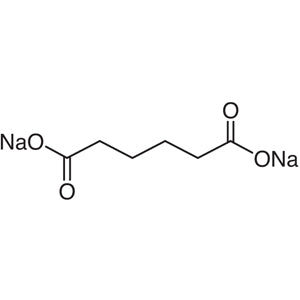
DisodiumAdipate TCI A0592
Regular price From Rp 1.803.900,00Regular price -
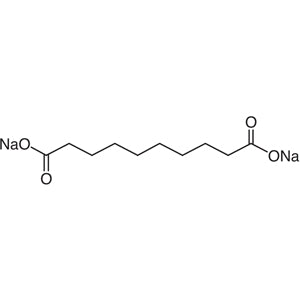
DisodiumSebacate TCI S0270
Regular price From Rp 848.400,00Regular price -
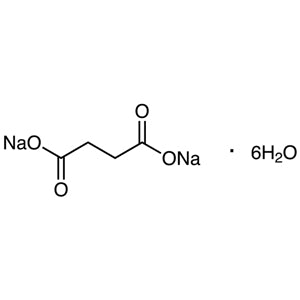
DisodiumSuccinateHexahydrate TCI S0105
Regular price From Rp 477.750,00Regular price -
DisodiumMalonate TCI M0031
Regular price From Rp 637.350,00Regular price -
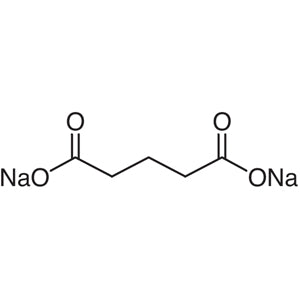
DisodiumGlutarate TCI G0070
Regular price From Rp 2.094.750,00Regular price -
DisodiumFumarate TCI F0070
Regular price From Rp 610.050,00Regular price -
MonomethylMaleate TCI M0624
Regular price From Rp 1.696.800,00Regular price