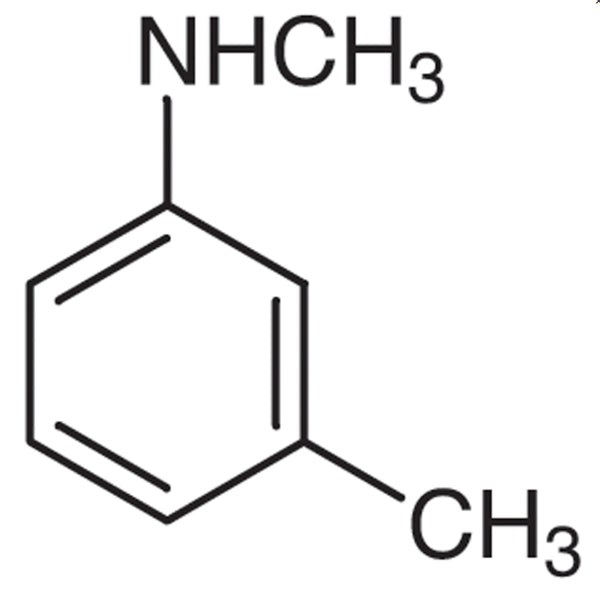
N-Methyl-m-toluidine is a chemical compound widely used in various organic reactions within laboratory settings. As a non-heterocyclic building block, it plays a crucial role in the synthesis of complex molecules, particularly in substitution and condensation reactions. Its aromatic structure and reactive nature make it a versatile reagent for chemists seeking to create compounds with specific functional groups. This compound is commonly found in chemical laboratories where organic synthesis is a primary focus, supporting both academic and industrial research efforts.
The chemical properties of N-Methyl-m-toluidine make it a preferred choice for many laboratory applications. It exhibits reactivity towards acids, bases, and halogen compounds, allowing it to participate in a wide range of chemical transformations. Its volatility and tendency to evaporate necessitate careful handling, but this characteristic also makes it useful in reactions requiring controlled exposure. The compound’s ability to form stable intermediates under specific conditions enhances its utility in synthetic pathways, making it a valuable asset in organic chemistry.
In Indonesian laboratories, N-Methyl-m-toluidine is frequently used by researchers and students in various chemical studies. It is commonly employed in the synthesis of pharmaceutical compounds, polymers, and other organic materials. Its availability and chemical versatility make it an essential reagent in both academic and applied research settings, supporting the development of new materials and drug candidates.
- Organic synthesis: N-Methyl-m-toluidine is ideal for substitution and condensation reactions due to its reactive amine and methyl groups.
- Pharmaceutical research: It is used in the synthesis of drug compounds, contributing to the development of new therapeutic agents.
- Polymer chemistry: The compound is utilized in the creation of various polymer structures, enhancing material properties.
- Analytical chemistry: It serves as a reagent in analytical procedures, aiding in the identification and quantification of organic compounds.
- Teaching laboratories: Its chemical properties make it a valuable tool for demonstrating fundamental organic reactions and mechanisms.
| Brand | TCI |
|---|---|
| CAS number | 696-44-6 |
| Molecular formula | — |
| Purity | — |
| Category | Chemistry > Building Blocks > Non-Heterocyclic Building Blocks |
| Pack sizes | Available in various quantities as per standard laboratory supply options |
| Physical form | Liquid |
| Storage | Store in a cool, well-ventilated area away from heat and direct sunlight |
N-Methyl-m-toluidine should be stored in a cool, well-ventilated area, away from heat and direct sunlight. It is recommended to use sealed containers to prevent evaporation due to its volatile nature. The compound should be kept in a place that is inaccessible to children and not exposed to incompatible materials such as strong acids or bases. Proper personal protective equipment, including gloves and goggles, should be worn when handling this substance to ensure safety in the laboratory environment. Regular monitoring of storage conditions is essential to maintain the compound’s stability and ensure safe usage.
—
Produk Terkait
-
N-(2-Aminoethyl)-N-ethyl-m-toluidine TCI A1284
Regular price Rp 4.001.550,00Regular price -
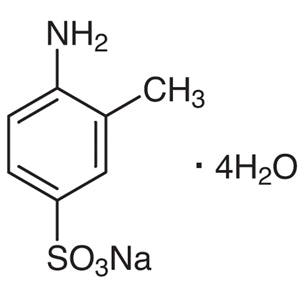
o-Toluidine-4-sulfonicAcidSodiumSaltTetrahydrate TCI T0304
Regular price From Rp 505.050,00Regular price -
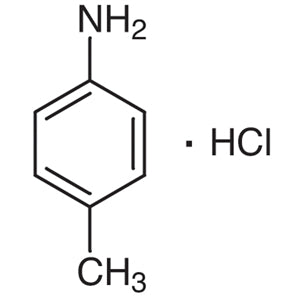
p-ToluidineHydrochloride TCI T0303
Regular price From Rp 477.750,00Regular price -
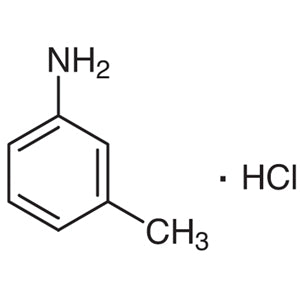
m-ToluidineHydrochloride TCI T0301
Regular price Rp 4.161.150,00Regular price -
p-Toluidine TCI T0300
Regular price From Rp 769.650,00Regular price -
o-Toluidine TCI T0299
Regular price From Rp 505.050,00Regular price -
m-Toluidine TCI T0298
Regular price From Rp 505.050,00Regular price -
N-Methyl-p-toluidine TCI M1315
Regular price From Rp 2.174.550,00Regular price