N-(2-Aminoethyl)-N-ethyl-m-toluidine is a chemical compound widely used as a building block in the synthesis of complex molecules. This material plays a crucial role in organic chemistry laboratories, where it serves as a versatile intermediate for the creation of various functional groups and molecular structures. Its ability to participate in multiple chemical reactions makes it an essential component in the development of new compounds with diverse applications. In the laboratory, it is frequently employed in reactions that require precise control over reaction conditions and functional group manipulation.
The compound is known for its chemical stability under controlled conditions, although it exhibits reactivity when exposed to high temperatures or light. These characteristics make it ideal for use in reactions where careful temperature management is required. Its solubility in organic solvents further enhances its utility, as it facilitates efficient mixing and reaction processes. This solubility profile allows for greater flexibility in experimental design and reaction optimization.
In Indonesian laboratories, N-(2-Aminoethyl)-N-ethyl-m-toluidine is commonly utilized in chemical research and pharmaceutical development. It is a key reagent in the synthesis of pharmaceutical compounds and other organic materials. Its presence in both academic and industrial research settings underscores its importance in advancing scientific innovation and practical applications in the chemical industry.
Related TCI products
- TCI B1445 4741-99-5 N,N'-Bis(2-aminoethyl)-1,3-propanediamine
- TCI B1291 3033-62-3 Bis(2-dimethylaminoethyl) Ether
- TCI A2609 202256-86-8 4-(2-Aminoethyl)cyclohexylamine (cis- and trans- mixture)
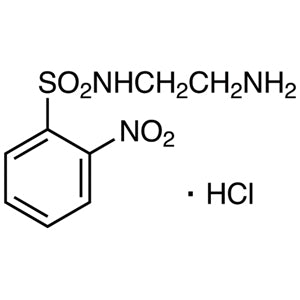
- TCI A2329 92504-03-5 N-(2-Aminoethyl)-2-nitrobenzenesulfonamide Hydrochloride
- TCI D0469 29473-53-8 N-(2-Diethylaminoethyl)-1-naphthylamine Oxalate
- TCI B6489 72080-83-2 Benzyl (2-Aminoethyl)carbamate
- Synthetic Organic Chemistry: This compound is widely used in the synthesis of complex organic molecules due to its reactivity and versatility in forming various functional groups.
- Pharmaceutical Development: It serves as a building block in the creation of new drug compounds, supporting research into therapeutic agents and medicinal applications.
- Functional Group Manipulation: Its ability to participate in multiple chemical reactions makes it ideal for modifying and introducing specific functional groups into molecular structures.
- Reaction Optimization: The compound’s solubility and reactivity allow for precise control over reaction conditions, making it suitable for experiments requiring fine-tuned parameters.
- Industrial Chemical Synthesis: It is frequently used in industrial settings for the production of chemical intermediates and specialty compounds.
| Brand | TCI |
|---|---|
| CAS number | 19248-13-6 |
| Molecular formula | — |
| Purity | — |
| Category | Chemistry > Building Blocks > Non-Heterocyclic Building Blocks |
| Pack sizes | Available in various quantities as per standard laboratory supply |
| Physical form | Liquid |
| Storage | Store in a cool, dark place away from heat and light |
This compound should be stored in a cool, dark environment to maintain its chemical stability and prevent degradation. It is recommended to use airtight containers made of glass or high-density polyethylene to minimize exposure to air and moisture. Due to its reactivity, it should be handled in a well-ventilated area and kept away from sources of heat and direct sunlight. Laboratory personnel should wear appropriate personal protective equipment, such as gloves and safety goggles, when handling this material. Proper labeling and storage practices are essential to ensure safe handling and prevent accidental exposure.
—
Produk Terkait
-
N,N'-Bis(2-aminoethyl)-1,3-propanediamine TCI B1445
Regular price Rp 1.378.650,00Regular priceRp 963.900,00Sale price Rp 1.378.650,00 -
Bis(2-dimethylaminoethyl)Ether TCI B1291
Regular price From Rp 900.900,00Regular priceRp 645.750,00Sale price From Rp 900.900,00 -
4-(2-Aminoethyl)cyclohexylamine(cis-andtrans-mixture) TCI A2609
Regular price From Rp 3.232.950,00Regular priceRp 2.276.400,00Sale price From Rp 3.232.950,00 -
N-(2-Aminoethyl)-2-nitrobenzenesulfonamideHydrochloride TCI A2329
Regular price Rp 3.815.700,00Regular priceRp 2.683.800,00Sale price Rp 3.815.700,00 -
N-(2-Diethylaminoethyl)-1-naphthylamineOxalate TCI D0469
Regular price From Rp 637.350,00Regular priceRp 460.950,00Sale price From Rp 637.350,00 -
Benzyl(2-Aminoethyl)carbamate TCI B6489
Regular price From Rp 1.431.150,00Regular priceRp 1.016.400,00Sale price From Rp 1.431.150,00 -
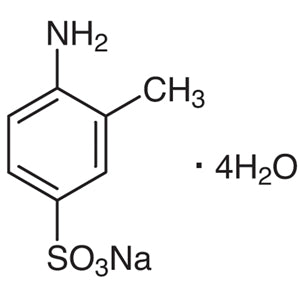
o-Toluidine-4-sulfonicAcidSodiumSaltTetrahydrate TCI T0304
Regular price From Rp 505.050,00Regular priceRp 352.800,00Sale price From Rp 505.050,00 -
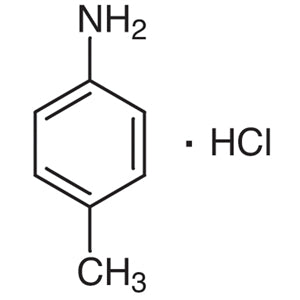
p-ToluidineHydrochloride TCI T0303
Regular price From Rp 477.750,00Regular priceRp 333.900,00Sale price From Rp 477.750,00