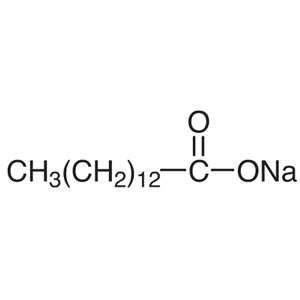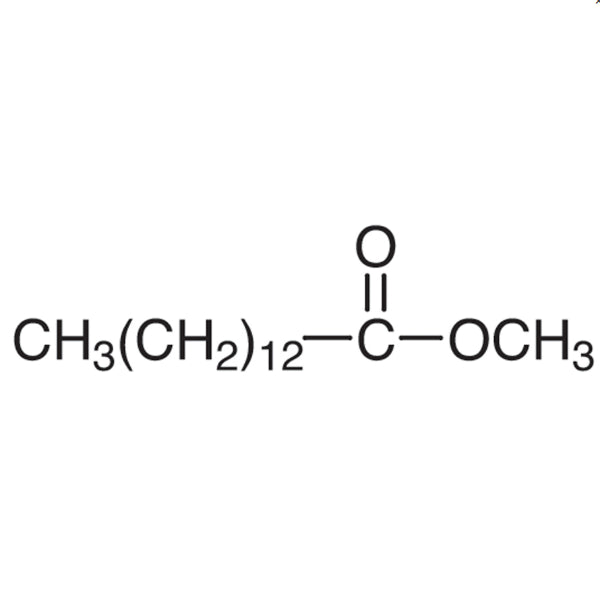
Methyl Myristate (TCI M0482, CAS 124-10-7) is a chemical compound widely used in various chemical and biochemical experiments. As an ester derived from myristic acid and methanol, it possesses a stable molecular structure and non-polar characteristics, making it a versatile reagent in laboratory settings. This compound is commonly found in research involving lipid chemistry, where its unique properties support a range of analytical and synthetic applications. Its stability and compatibility with organic solvents make it a valuable resource for scientists working in diverse fields.
The chemical stability of Methyl Myristate ensures it remains intact under normal experimental conditions, resisting degradation during storage and use. Its high boiling point facilitates controlled heating and cooling processes in laboratory experiments, enhancing the precision of chemical reactions. Additionally, its solubility in organic solvents such as ethyl acetate and hexane allows for easy integration into complex formulations and reaction mixtures. These properties make it an ideal choice for researchers requiring reliable and consistent reagents.
In Indonesian laboratories, Methyl Myristate is frequently used in biochemical, pharmaceutical, and cosmetic research. It supports the development of new formulations and serves as a key component in the synthesis of various compounds. Its reliability and performance have made it a standard material in academic and industrial research settings across the country.
- Biochemical Research – Methyl Myristate is used in lipid studies due to its non-polar nature and stability, aiding in the analysis of membrane structures and lipid interactions.
- Pharmaceutical Formulation – It serves as a component in the development of topical medications and cosmetic products due to its solubility in organic solvents and compatibility with skin.
- Organic Synthesis – Its chemical stability and reactivity make it suitable for use in synthetic pathways where ester functionalities are required.
- Analytical Chemistry – Methyl Myristate is employed as a standard in chromatographic and spectroscopic analyses due to its predictable behavior and purity.
- Lipid Chemistry Studies – It is used to study the behavior of fatty acid esters in biological systems, supporting research in metabolic pathways and membrane dynamics.
| Brand | — |
|---|---|
| CAS number | — |
| Molecular formula | — |
| Purity | — |
| Category | — |
| Pack sizes | — |
| Physical form | — |
| Storage | — |
- Brand – TCI
- CAS Number – 124-10-7
- Category – Life Science > Biochemicals and Reagents > Lipids
- Pack Sizes – Available in various quantities as per standard laboratory requirements
- Physical Form – Liquid
- Storage Note – Store in a cool, dry place away from direct sunlight and incompatible materials
Methyl Myristate should be stored in a cool, dry environment to maintain its chemical stability. It is recommended to keep it in a tightly sealed container to prevent contamination and evaporation. Due to its non-polar nature, it is advisable to store it away from reactive substances such as strong acids or bases. Proper ventilation should be ensured when handling the compound to minimize exposure. Laboratory personnel should wear appropriate personal protective equipment, including gloves and safety goggles, to ensure safe handling. Regular inspection of storage conditions is necessary to maintain the integrity of the compound and ensure its usability in experiments.
—
Produk Terkait
-
2-NaphthylMyristate TCI M0780
Regular price Rp 4.240.950,00Regular price -
IsobutylMyristate TCI M0555
Regular price Rp 2.174.550,00Regular price -
SodiumMyristate TCI M0483
Regular price From Rp 1.326.150,00Regular price -
IsopropylMyristate TCI M0481
Regular price From Rp 477.750,00Regular price -
EthylMyristate TCI M0479
Regular price From Rp 664.650,00Regular price -
ButylMyristate TCI M0477
Regular price From Rp 1.590.750,00Regular price -
3-Isoamyl-6-methyl-2-heptylMyristate TCI I0662
Regular price From Rp 848.400,00Regular price -
CholesterolMyristate TCI C0675
Regular price From Rp 2.094.750,00Regular price