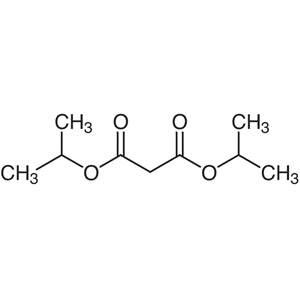
Diisopropyl Malonate (TCI M0648), with CAS number 13195-64-7, is a key chemical compound widely used in organic synthesis as a building block. It serves as a versatile reagent in laboratory settings, particularly for the preparation of complex organic molecules. Its molecular structure enables it to participate in various chemical reactions, making it an essential tool for chemists working in both academic and industrial research. This compound is especially valuable in the development of heterocyclic compounds and carbon chain derivatives, which are fundamental in pharmaceutical and materials science applications.
The chemical properties of Diisopropyl Malonate, including its stability and reactivity under controlled conditions, make it a preferred choice for substitution and alkylation reactions. Its ability to undergo functional group modifications allows it to be a flexible component in synthetic pathways. The compound’s moderate reactivity ensures that it can be manipulated effectively without excessive side reactions, enhancing the efficiency of laboratory processes. This reliability and adaptability contribute to its widespread use in chemical synthesis.
In Indonesian laboratories, Diisopropyl Malonate is commonly used in research and development activities, particularly in pharmaceutical and organic chemistry. It is an essential part of the laboratory toolkit for scientists aiming to synthesize new compounds with specific structural and functional properties. Its availability and effectiveness make it a standard reagent in both academic and industrial research settings across Indonesia.
- Organic synthesis is a primary application where Diisopropyl Malonate is used to create complex organic molecules due to its reactivity and structural versatility.
- Pharmaceutical research benefits from this compound as it helps in the development of new drugs by enabling the synthesis of heterocyclic structures.
- Material science applications utilize Diisopropyl Malonate to produce polymers and other advanced materials through controlled chemical reactions.
- Academic research in chemistry relies on this reagent for teaching and experimental purposes, providing students with hands-on experience in synthetic chemistry.
- Industrial chemical production incorporates Diisopropyl Malonate to manufacture specialty chemicals that require precise molecular modifications.
| Brand | TCI |
|---|---|
| CAS number | 13195-64-7 |
| Molecular formula | — |
| Purity | — |
| Category | Chemistry > Building Blocks > Non-Heterocyclic Building Blocks |
| Pack sizes | Available in various quantities as per supplier specifications |
| Physical form | Liquid |
| Storage | Store in a cool, dry place away from direct sunlight |
Diisopropyl Malonate should be stored in a cool, dry environment to maintain its chemical stability. It is recommended to keep the compound in a sealed container to prevent exposure to air and moisture. Suitable containers include glass or high-density polyethylene bottles, which are resistant to chemical reactions. Laboratory personnel should handle the compound with care, using appropriate personal protective equipment such as gloves and goggles. Avoid contact with skin and eyes, and ensure proper ventilation when working with this material. Regular monitoring of storage conditions is essential to ensure the compound remains in optimal condition for use in chemical reactions.
—
Produk Terkait
-
DiisopropylAdipate TCI A0654
Regular price From Rp 903.000,00Regular price -
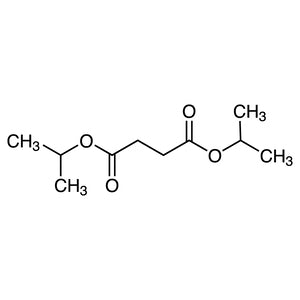
DiisopropylSuccinate TCI S0269
Regular price From Rp 1.273.650,00Regular price -
DiisopropylPhthalate TCI P0301
Regular price From Rp 2.227.050,00Regular price -
DiisopropylDecanedioate TCI D6183
Regular price From Rp 2.625.000,00Regular price -
DiisopropylFumarate TCI D3916
Regular price From Rp 505.050,00Regular price -
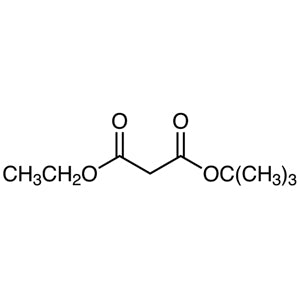
tert-ButylEthylMalonate TCI B3720
Regular price From Rp 928.200,00Regular price -
tert-ButylMethylMalonate TCI B2747
Regular price From Rp 1.670.550,00Regular price -
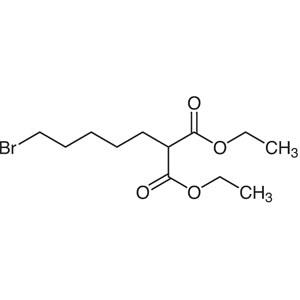
Diethyl(5-Bromopentyl)malonate TCI B2083
Regular price From Rp 2.254.350,00Regular price