1-Methyl-3-nitroguanidine is a chemical compound widely used in various chemical experiments and scientific research. It is a versatile reagent that plays a crucial role in laboratory settings, particularly in synthetic chemistry. Its molecular structure allows it to participate in a range of chemical reactions, making it an essential component for the synthesis of other compounds. This compound is commonly used in laboratories for its ability to facilitate specific chemical transformations, especially those involving nitrogen and carbon-based molecules. Its presence in research helps advance studies in multiple scientific disciplines.
The reactivity and chemical properties of 1-Methyl-3-nitroguanidine make it a preferred choice for specialized applications. It exhibits high reactivity, especially towards reducing agents and acidic substances, which allows it to be used in controlled chemical environments. Its solubility varies depending on the solvent, enabling its use in diverse experimental setups. This adaptability makes it suitable for precise and targeted chemical reactions. Additionally, its stability under certain conditions ensures reliable performance in laboratory experiments, contributing to the accuracy and reproducibility of results.
In Indonesian laboratories, 1-Methyl-3-nitroguanidine is frequently used in chemical research, particularly in the development of new materials and pharmaceutical compounds. Its application is common in academic and industrial research settings where precise chemical reactions are required. Due to its reactivity, it is often used in controlled environments to ensure safety and effectiveness in experimental processes. This compound is a key component in the pursuit of scientific innovation and discovery in Indonesia.
Related TCI products
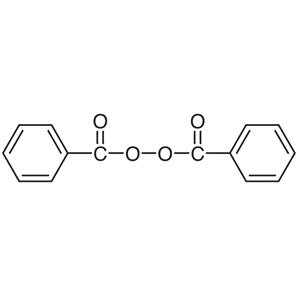
- TCI B3152 94-36-0 Benzoyl Peroxide (wetted with ca. 25% Water)
- TCI R0322 7440-18-8 Ruthenium 5% on Carbon, SD type (wetted with ca 55% Water)
- TCI R0076 7440-18-8 Ruthenium 5% on Carbon (wetted with ca 50% Water)
- TCI R0075 7440-16-6 Rhodium 5% on Carbon (wetted with ca 55% Water)
- TCI P3306 7440-06-4 Platinum 5% on Carbon (wetted with ca 55% Water)
- TCI P3305 7440-06-4 Platinum 3% on Carbon (wetted with ca 55% Water) (Modified by Sulfur)
- Chemical synthesis of nitrogen and carbon-based compounds due to its reactivity and ability to participate in various reactions.
- Development of pharmaceutical intermediates as it facilitates the formation of complex molecular structures.
- Material science research for the creation of advanced polymers and composite materials.
- Analytical chemistry applications where precise chemical transformations are required.
- Industrial research and development in sectors requiring specialized chemical reagents for process optimization.
| Brand | TCI |
|---|---|
| CAS number | 4245-76-5 |
| Molecular formula | — |
| Purity | — |
| Category | TCI |
| Pack sizes | — |
| Physical form | Wetted with ca. 30% Water |
| Storage | Store in a cool, dry place away from incompatible materials |
1-Methyl-3-nitroguanidine should be stored in a cool, dry place, away from direct sunlight and sources of heat. It is recommended to keep it in a sealed container to prevent moisture absorption and contamination. Due to its reactivity, it should be stored separately from reducing agents, acids, and other incompatible substances. Proper labeling and secure storage are essential to ensure safety in the laboratory environment. Always use appropriate personal protective equipment when handling this compound to minimize exposure risks. Regular monitoring of storage conditions is advised to maintain the stability and integrity of the material.
—
Produk Terkait
-
BenzoylPeroxide(wettedwithca.25%Water) TCI B3152
Regular price Rp 530.250,00Regular price -
Ruthenium5%onCarbon,SDtype(wettedwithca55%Water) TCI R0322
Regular price From Rp 823.200,00Regular price -
Ruthenium5%onCarbon(wettedwithca50%Water) TCI R0076
Regular price From Rp 848.400,00Regular price -
Rhodium5%onCarbon(wettedwithca55%Water) TCI R0075
Regular price From Rp 1.988.700,00Regular price -
Platinum5%onCarbon(wettedwithca55%Water) TCI P3306
Regular price From Rp 2.650.200,00Regular price -
Platinum3%onCarbon(wettedwithca55%Water)(ModifiedbySulfur) TCI P3305
Regular price From Rp 3.100.650,00Regular price -
Platinum2%onCarbon(wettedwithca55%Water) TCI P3304
Regular price From Rp 2.174.550,00Regular price -
Palladium75%onCarbon,PHtype(wettedwithca53%Water) TCI P3303
Regular price From Rp 1.644.300,00Regular price