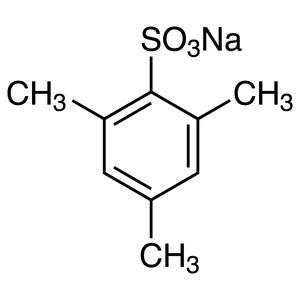
Sodium mesitylenesulfonate is a chemical compound widely used in laboratory settings for its versatility in organic synthesis. As a sulfonate, it plays a crucial role in various chemical reactions, particularly in the formation of complex molecules. This compound is commonly found in chemistry laboratories as a building block for the synthesis of heterocyclic compounds and other specialized chemical structures. Its ability to act as an electron donor makes it a valuable reagent in substitution and electrophilic reactions.
The chemical properties of sodium mesitylenesulfonate make it a preferred choice for laboratory applications. It exhibits stability under specific conditions and is soluble in organic solvents, which enhances its utility in diverse chemical processes. These characteristics allow it to be used in reactions requiring high reactivity and precision. Its simple molecular structure contributes to its effectiveness in the synthesis of more complex compounds, making it a reliable and essential component in many chemical experiments.
In Indonesian laboratories, sodium mesitylenesulfonate is commonly used in chemical research, especially in the synthesis of organic compounds. It is frequently found in research and industrial laboratories that require specific chemical reagents for their processes. Its availability and chemical properties make it a go-to material for chemists working on a wide range of synthetic projects.
Related TCI products
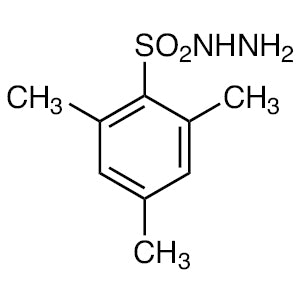
- TCI M1198 16182-15-3 2-Mesitylenesulfonyl Hydrazide
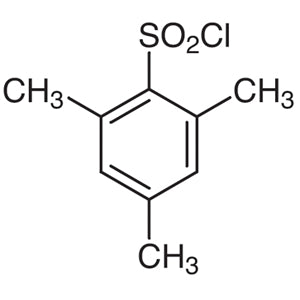
- TCI M0071 773-64-8 2-Mesitylenesulfonyl Chloride
- TCI M1186 68985-08-0 2,4-Mesitylenedisulfonyl Dichloride
- TCI B2103 187324-63-6 (1R,2S)-2-[N-Benzyl-N-(mesitylenesulfonyl)amino]-1-phenyl-1-propanol
- TCI R0127 174813-82-2 RuCl[(R,R)-Tsdpen](mesitylene)
- TCI R0126 174813-81-1 RuCl[(S,S)-Tsdpen](mesitylene)
- Heterocyclic Compound Synthesis: Sodium mesitylenesulfonate is ideal for this application due to its ability to act as an electron donor, facilitating the formation of complex ring structures.
- Organic Synthesis Reactions: Its solubility in organic solvents and reactivity make it suitable for a variety of synthetic pathways in organic chemistry.
- Electrophilic Reaction Mediation: It supports electrophilic reactions by providing a stable and reactive sulfonate group, enhancing reaction efficiency.
- Research and Development Projects: Its chemical stability and reactivity make it a valuable reagent in R&D settings where precise chemical reactions are required.
- Industrial Chemical Production: It is used in industrial laboratories for the production of specialized chemical products requiring specific reagents.
| Brand | TCI |
|---|---|
| CAS number | 6148-75-0 |
| Molecular formula | — |
| Purity | — |
| Category | Chemistry > Building Blocks > Non-Heterocyclic Building Blocks |
| Pack sizes | Available in various quantities as per standard laboratory supply |
| Physical form | Solid |
| Storage | Store in a cool, dry place away from moisture and direct sunlight |
Sodium mesitylenesulfonate should be stored in a cool, dry place, away from moisture and direct sunlight to maintain its chemical stability. It is recommended to use airtight containers to prevent exposure to air and humidity. Due to its chemical nature, it is important to handle it with care, using appropriate personal protective equipment such as gloves and safety goggles. It should be kept out of reach of children and not stored near incompatible substances. Regular inspection of storage conditions is advised to ensure the compound remains in optimal condition for use in laboratory applications.
—
Produk Terkait
-
2-MesitylenesulfonylHydrazide TCI M1198
Regular price From Rp 1.881.600,00Regular price -
2-MesitylenesulfonylChloride TCI M0071
Regular price From Rp 1.510.950,00Regular price -
2,4-MesitylenedisulfonylDichloride TCI M1186
Regular price From Rp 3.312.750,00Regular price -
(1R,2S)-2-[N-Benzyl-N-(mesitylenesulfonyl)amino]-1-phenyl-1-propanol TCI B2103
Regular price From Rp 2.227.050,00Regular price -
RuCl[(R,R)-Tsdpen](mesitylene) TCI R0127
Regular price From Rp 1.193.850,00Regular price -
RuCl[(S,S)-Tsdpen](mesitylene) TCI R0126
Regular price From Rp 1.193.850,00Regular price -
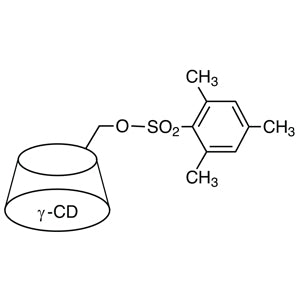
Mono-6-O-mesitylenesulfonyl-gamma-cyclodextrin TCI M1212
Regular price Rp 9.301.950,00Regular price -
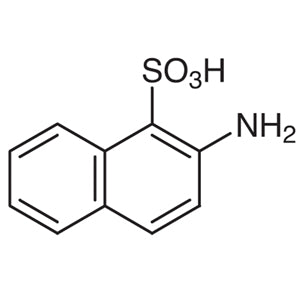
2-Amino-1-naphthalenesulfonicAcid TCI A0343
Regular price From Rp 477.750,00Regular price

![187324-63-6 (1R,2S)-2-[N-Benzyl-N-(mesitylenesulfonyl)amino]-1-phenyl-1-propanol - AMI Scientific](http://amiscientific.com/cdn/shop/files/TCI2510B2103.jpg?v=1768815309&width=533)
 - AMI Scientific](http://amiscientific.com/cdn/shop/files/TCI2510R0127.jpg?v=1767137913&width=533)
 - AMI Scientific](http://amiscientific.com/cdn/shop/files/TCI2510R0126.jpg?v=1767137909&width=533)