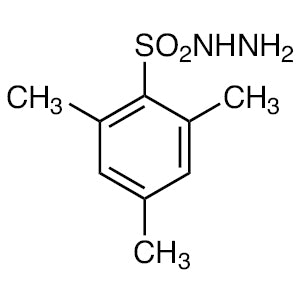
2-Mesitylenesulfonyl Hydrazide (MMSH) is a chemical compound widely used in laboratory settings for its versatile reactivity and utility in organic synthesis. As a key component in the building blocks category, it plays a crucial role in the development of complex molecular structures, particularly in the synthesis of heterocyclic compounds. This compound is commonly employed in chemical reactions that require specific activation, making it a valuable reagent in both academic and industrial research environments. Its ability to participate in substitution and hydrazinization reactions enhances its importance in synthetic chemistry.
The chemical properties of MMSH make it a preferred choice for laboratory applications. It exhibits stability under certain conditions but remains highly reactive towards acids, bases, and organic solvents. This reactivity allows it to engage in a wide range of chemical transformations, making it suitable for various synthetic pathways. Additionally, its availability in solid form simplifies handling and processing, contributing to its practicality in laboratory workflows. These characteristics ensure its reliability and effectiveness in diverse chemical processes.
In Indonesian laboratories, MMSH is extensively used in organic chemistry research, particularly in the synthesis of heterocyclic compounds. It is also commonly found in pharmaceutical and food chemistry studies, where it aids in the development of bioactive compounds. Due to its broad applications, MMSH remains a key reagent in both academic and applied research settings in Indonesia.
Related TCI products
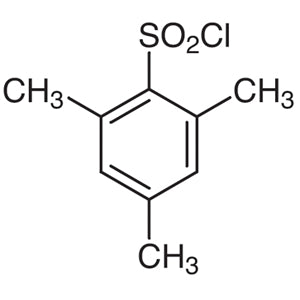
- TCI M0071 773-64-8 2-Mesitylenesulfonyl Chloride
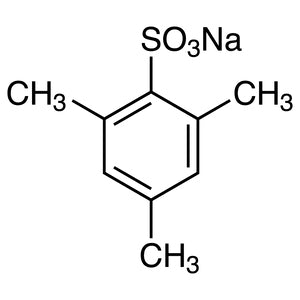
- TCI M0796 6148-75-0 Sodium Mesitylenesulfonate
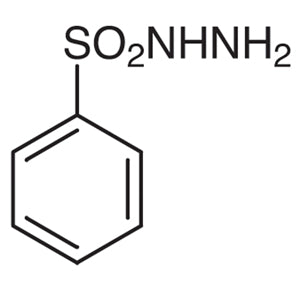
- TCI B0038 80-17-1 Benzenesulfonyl Hydrazide
- TCI B2103 187324-63-6 (1R,2S)-2-[N-Benzyl-N-(mesitylenesulfonyl)amino]-1-phenyl-1-propanol
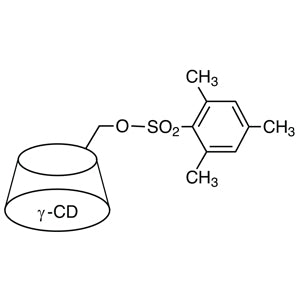
- TCI M1212 174010-62-9 Mono-6-O-mesitylenesulfonyl-gamma-cyclodextrin
- TCI M1186 68985-08-0 2,4-Mesitylenedisulfonyl Dichloride
- Organic synthesis of heterocyclic compounds due to its reactivity in substitution and hydrazinization reactions.
- Development of bioactive compounds in pharmaceutical research for its role in activating specific chemical pathways.
- Creation of complex organic molecules in building blocks applications for its structural versatility.
- Support in food chemistry research for the synthesis of functional food ingredients.
- Use in academic and industrial laboratories for its reliability in chemical transformations.
| Brand | TCI |
|---|---|
| CAS number | 16182-15-3 |
| Molecular formula | — |
| Purity | — |
| Category | Chemistry > Building Blocks > Non-Heterocyclic Building Blocks |
| Pack sizes | Available in standard laboratory quantities |
| Physical form | Solid |
| Storage | Store in a cool, dry place away from moisture and direct sunlight |
This compound should be stored in a cool, dry environment to maintain its chemical stability. It is recommended to keep it in a sealed container to prevent exposure to moisture and air. Due to its reactivity with acids and bases, it should be handled with appropriate personal protective equipment. Storage away from incompatible substances is essential to ensure safety. In laboratory settings, it should be stored in a well-ventilated area to minimize any potential hazards. Proper labeling and containment are necessary to prevent accidental exposure and ensure safe handling.
—
Produk Terkait
-
2-MesitylenesulfonylChloride TCI M0071
Regular price From Rp 1.510.950,00Regular price -
SodiumMesitylenesulfonate TCI M0796
Regular price Rp 1.405.950,00Regular price -
BenzenesulfonylHydrazide TCI B0038
Regular price From Rp 1.510.950,00Regular price -
(1R,2S)-2-[N-Benzyl-N-(mesitylenesulfonyl)amino]-1-phenyl-1-propanol TCI B2103
Regular price From Rp 2.227.050,00Regular price -
Mono-6-O-mesitylenesulfonyl-gamma-cyclodextrin TCI M1212
Regular price Rp 9.301.950,00Regular price -
2,4-MesitylenedisulfonylDichloride TCI M1186
Regular price From Rp 3.312.750,00Regular price -
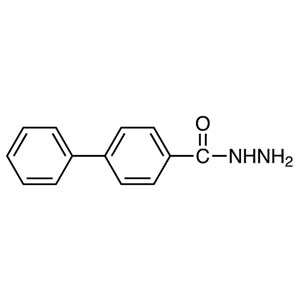
Biphenyl-4-carboxylicHydrazide TCI B4350
Regular price Rp 1.644.300,00Regular price -
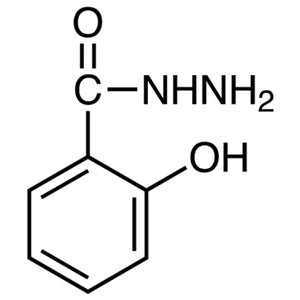
SalicylHydrazide TCI S0242
Regular price Rp 2.545.200,00Regular price
![187324-63-6 (1R,2S)-2-[N-Benzyl-N-(mesitylenesulfonyl)amino]-1-phenyl-1-propanol - AMI Scientific](http://amiscientific.com/cdn/shop/files/TCI2510B2103.jpg?v=1768815309&width=533)