Benzenesulfonyl Hydrazide (BCS) is a chemical compound widely used in organic chemistry reactions, particularly in the synthesis of heterocyclic compounds and complex molecular structures. As a key building block in chemical synthesis, it plays a crucial role in laboratories where researchers are engaged in the development of new compounds with specific biological activities. Its ability to react with various functional groups makes it an essential reagent in a range of chemical transformations, including hydrazone formation and condensation reactions.
The chemical properties of BCS make it a preferred choice for synthetic chemists. It exhibits stability under certain conditions but remains highly reactive towards electrophilic reagents such as aldehydes, ketones, and other reactive species. This reactivity enables it to participate effectively in a variety of reaction mechanisms, making it a versatile tool in organic synthesis. Additionally, its solubility in organic solvents like ethyl acetate and acetone facilitates efficient processing and purification in laboratory settings.
In Indonesian laboratories, BCS is commonly used by chemists and researchers working in academic institutions, research centers, and pharmaceutical industries. Its application spans across organic chemistry, pharmacology, and analytical chemistry, supporting the development of compounds with targeted biological properties. Its reliability and effectiveness in chemical reactions make it a standard component in many experimental protocols.
Related TCI products
- TCI B3936 66176-39-4 4-(Bromomethyl)benzenesulfonyl Chloride
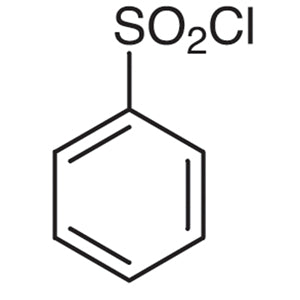
- TCI B1211 98-09-9 Benzenesulfonyl Chloride [for Determination of Hippuric Acid]
- TCI B0036 98-09-9 Benzenesulfonyl Chloride
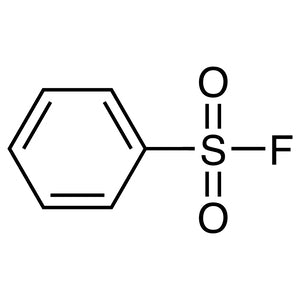
- TCI B6627 368-43-4 Benzenesulfonyl Fluoride
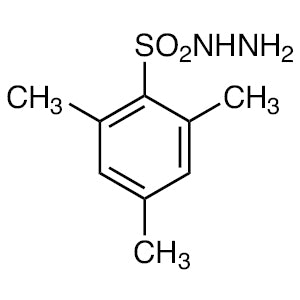
- TCI M1198 16182-15-3 2-Mesitylenesulfonyl Hydrazide
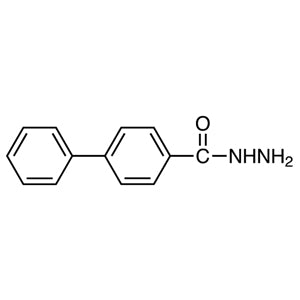
- TCI B4350 18622-23-6 Biphenyl-4-carboxylic Hydrazide
- Organic synthesis of heterocyclic compounds due to its reactivity with electrophilic species and functional groups.
- Production of hydrazone derivatives through condensation reactions with aldehydes and ketones.
- Development of bioactive compounds in pharmaceutical research for drug discovery and formulation.
- Analytical chemistry applications for the detection and quantification of specific chemical species.
- Support in complex molecular structure synthesis where precise chemical reactivity is required.
| Brand | TCI |
|---|---|
| CAS number | 80-17-1 |
| Molecular formula | — |
| Purity | — |
| Category | Chemistry > Building Blocks > Non-Heterocyclic Building Blocks |
| Pack sizes | Available in various quantities as per supplier specifications |
| Physical form | Solid |
| Storage | Store in a cool, dry place away from moisture and direct sunlight |
Benzenesulfonyl Hydrazide should be stored in a cool, dry environment to maintain its chemical stability. It is recommended to keep it in a tightly sealed container to prevent exposure to moisture and air, which can affect its reactivity. Due to its potential to react with electrophilic reagents, it should be handled in a well-ventilated area with appropriate personal protective equipment. Avoid contact with incompatible substances such as strong oxidizers. In laboratory settings, it is important to follow standard safety protocols to ensure safe handling and storage. Regular monitoring of storage conditions is advised to maintain the integrity of the compound.
—
Produk Terkait
-
4-(Bromomethyl)benzenesulfonylChloride TCI B3936
Regular price From Rp 1.353.450,00Regular priceRp 946.050,00Sale price From Rp 1.353.450,00 -
BenzenesulfonylChloride[forDeterminationofHippuricAcid] TCI B1211
Regular price Rp 769.650,00Regular priceRp 537.600,00Sale price Rp 769.650,00 -
BenzenesulfonylChloride TCI B0036
Regular price From Rp 452.550,00Regular priceRp 316.050,00Sale price From Rp 452.550,00 -
BenzenesulfonylFluoride TCI B6627
Regular price From Rp 1.353.450,00Regular priceRp 946.050,00Sale price From Rp 1.353.450,00 -
2-MesitylenesulfonylHydrazide TCI M1198
Regular price From Rp 1.934.100,00Regular priceRp 1.368.150,00Sale price From Rp 1.934.100,00 -
Biphenyl-4-carboxylicHydrazide TCI B4350
Regular price Rp 1.696.800,00Regular priceRp 1.202.250,00Sale price Rp 1.696.800,00 -
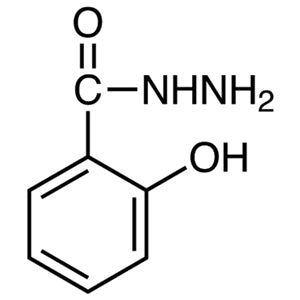
SalicylHydrazide TCI S0242
Regular price Rp 2.597.700,00Regular priceRp 1.832.250,00Sale price Rp 2.597.700,00 -
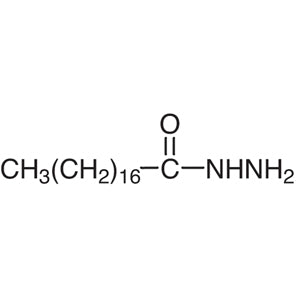
StearicHydrazide TCI S0222
Regular price Rp 4.399.500,00Regular priceRp 3.092.250,00Sale price Rp 4.399.500,00