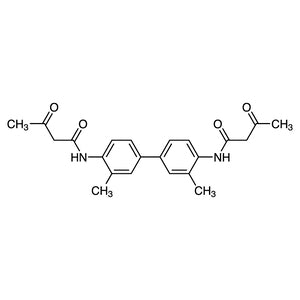
N-Methyl-4-nitro-o-toluidine is an organic compound widely used in scientific experiments, particularly in the field of optical and non-linear optical materials. This compound plays a crucial role in the development of photonic materials due to its unique molecular structure that allows for specific interactions with light. Its chemical properties make it an essential component in the synthesis of materials that respond to particular wavelengths of light, which is vital for the creation of advanced optical devices and sensors. In laboratory settings, this compound is valued for its versatility and ability to meet the demands of complex chemical reactions.
The compound is preferred for its chemical stability and controlled reactivity, which allows researchers to manipulate it under specific experimental conditions. It also exhibits good solubility in organic solvents, making it easier to handle during synthesis and processing. These properties contribute to its reliability in various laboratory applications, especially where precision and reproducibility are critical. Its compatibility with different chemical environments further enhances its utility in material science research.
In Indonesian laboratories, N-Methyl-4-nitro-o-toluidine is commonly used in material science research, particularly in the development of photonic and optical materials. Researchers in educational and research institutions frequently rely on this compound for experiments that require precise chemical handling and controlled reactions. Its presence in Indonesian laboratories underscores its importance in advancing scientific knowledge in the field of optical materials.
- Photonic Material Synthesis: This compound is ideal for creating materials that interact with light, making it suitable for developing advanced optical components and sensors.
- Non-Linear Optical Research: Its unique molecular structure enables it to be used in studies involving non-linear optical effects, which are essential for modern optical technologies.
- Organic Chemistry Experiments: The compound’s solubility and reactivity make it a valuable reagent in organic synthesis, supporting a wide range of chemical reactions.
- Sensor Development: Its ability to respond to specific wavelengths of light makes it a key component in the creation of optical sensors for various analytical applications.
- Material Characterization Studies: It is used in experiments that require precise control over chemical properties, aiding in the analysis of material behavior under different conditions.
| Brand | TCI |
|---|---|
| CAS number | 10439-77-7 |
| Molecular formula | — |
| Purity | — |
| Category | Materials Science > Photonic Materials and Optical Materials > Organic Non-Linear Optical (NLO) Materials |
| Pack sizes | Available in various quantities as per standard laboratory supply |
| Physical form | Solid |
| Storage | Store in a cool, dry place away from direct sunlight and moisture |
This compound should be stored in a cool, dry environment, away from direct sunlight and moisture to maintain its chemical stability. It is recommended to use airtight containers made of glass or high-density polyethylene to prevent contamination and degradation. Due to its chemical nature, it should be handled with appropriate personal protective equipment, including gloves and safety goggles, to ensure laboratory safety. Proper ventilation is essential when working with this material to minimize exposure. It is important to keep it away from incompatible substances to avoid any potential chemical reactions. Regular inspection of storage conditions ensures the compound remains in optimal condition for use in scientific research.
—
Produk Terkait
-
N-Ethoxycarbonyl-3-nitro-o-toluidine TCI E0356
Regular price Rp 3.790.500,00Regular price -
N-Ethoxycarbonyl-3-nitro-p-toluidine TCI E0352
Regular price Rp 2.650.200,00Regular price -
N-Ethoxycarbonyl-5-nitro-o-toluidine TCI E0349
Regular price From Rp 875.700,00Regular price -
p-Toluidine-2-sulfonicAcid TCI A0328
Regular price From Rp 477.750,00Regular price -
5-Bromo-4-chloro-3-indolylPhosphatep-ToluidineSalt[forBiochemicalResearch] TCI B1239
Regular price From Rp 980.700,00Regular price -
N,N'-Bis(acetoacetyl)-o-toluidine TCI B0788
Regular price Rp 1.776.600,00Regular price -
N-(2-Aminoethyl)-N-ethyl-m-toluidine TCI A1284
Regular price Rp 4.001.550,00Regular price -
m-Toluidine-4-sulfonicAcid TCI A0329
Regular price Rp 1.431.150,00Regular price


![6578-06-9 5-Bromo-4-chloro-3-indolyl Phosphate p-Toluidine Salt [for Biochemical Research] - AMI Scientific](http://amiscientific.com/cdn/shop/files/TCI2510B1239_14cb4c64-3632-4ff7-92ca-ec69d8d37697.jpg?v=1767232020&width=533)