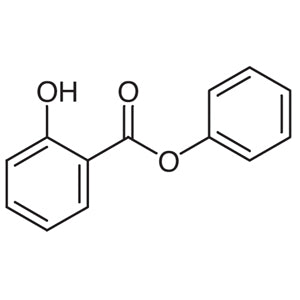
Methyl 5-Methylsalicylate is a chemical compound widely used in laboratory settings for its versatility in organic synthesis and chemical experimentation. This compound plays a crucial role in various chemical reactions, particularly in substitution reactions and other processes requiring specific solubility and reactivity. It is a key building block in the development of aromatic compounds and their derivatives, making it an essential material for researchers working in organic chemistry. Its presence in laboratory workflows supports the creation of new chemical entities, especially in pharmaceutical and industrial applications.
The compound is valued for its chemical stability and solubility in organic solvents such as ethyl acetate and ethanol. These properties make it highly suitable for use in a wide range of chemical processes, including synthesis and analysis. Its ability to dissolve in common organic solvents simplifies handling and application, while its stable nature ensures consistent performance in experimental conditions. Additionally, Methyl 5-Methylsalicylate has a distinct aroma, which can serve as a visual indicator in certain chemical reactions, enhancing the accuracy of laboratory procedures.
In Indonesian laboratories, Methyl 5-Methylsalicylate is commonly used in organic chemistry research, particularly in the fields of pharmacy and chemical industry. Its stability and broad applicability make it a reliable choice for various experimental setups. Researchers rely on this compound for its predictable behavior and compatibility with different chemical processes, supporting innovation and development in both academic and industrial contexts.
- Used in the synthesis of aromatic compounds for the development of pharmaceuticals and chemical products due to its reactivity and solubility.
- Suitable for substitution reactions where specific chemical interactions and solubility are required in organic synthesis.
- Applied in analytical chemistry for its stability and compatibility with various solvent systems used in chromatographic and spectroscopic techniques.
- Employed in the creation of derivatives of salicylic acid, which are essential in drug development and industrial chemical manufacturing.
- Utilized in research settings where a reliable and consistent chemical building block is needed for complex molecular structures.
| Brand | TCI |
|---|---|
| CAS number | 22717-57-3 |
| Molecular formula | — |
| Purity | — |
| Category | Chemistry > Building Blocks > Non-Heterocyclic Building Blocks |
| Pack sizes | Available in standard laboratory quantities as per supplier specifications |
| Physical form | Liquid or crystalline, depending on the specific product formulation |
| Storage | Store in a cool, dry place away from direct sunlight and incompatible materials |
Methyl 5-Methylsalicylate should be stored in a cool, dry environment to maintain its chemical stability. It is recommended to keep the compound in a sealed container to prevent exposure to moisture and air, which could affect its properties. Suitable storage containers include glass or high-density polyethylene (HDPE) bottles that are resistant to chemical interactions. In laboratory settings, it is important to handle the compound with appropriate personal protective equipment, such as gloves and safety goggles, to ensure safety. Proper labeling of storage areas is also essential to prevent accidental misuse. Regular monitoring of storage conditions ensures the compound remains effective for its intended applications.
—
Produk Terkait
-
Methyl4-Methylsalicylate TCI M1584
Regular price From Rp 1.193.850,00Regular price -
Ethyl6-Methylsalicylate TCI M1283
Regular price From Rp 5.672.100,00Regular price -
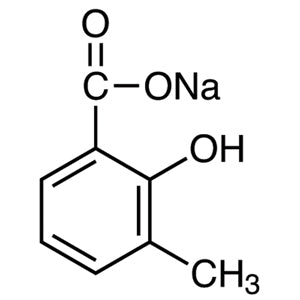
Sodium3-Methylsalicylate TCI C0411
Regular price Rp 4.718.700,00Regular price -
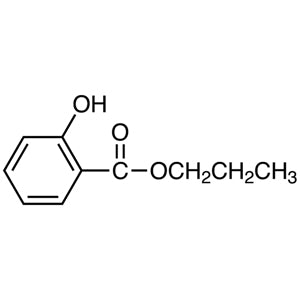
PropylSalicylate TCI S0441
Regular price Rp 2.094.750,00Regular price -
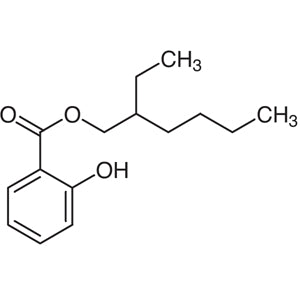
2-EthylhexylSalicylate TCI S0387
Regular price From Rp 903.000,00Regular price -
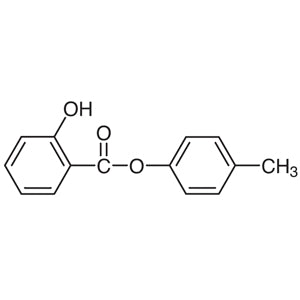
p-TolylSalicylate TCI S0018
Regular price Rp 1.803.900,00Regular price -
PhenylSalicylate TCI S0017
Regular price From Rp 505.050,00Regular price -
MethylSalicylate TCI S0015
Regular price From Rp 452.550,00Regular price