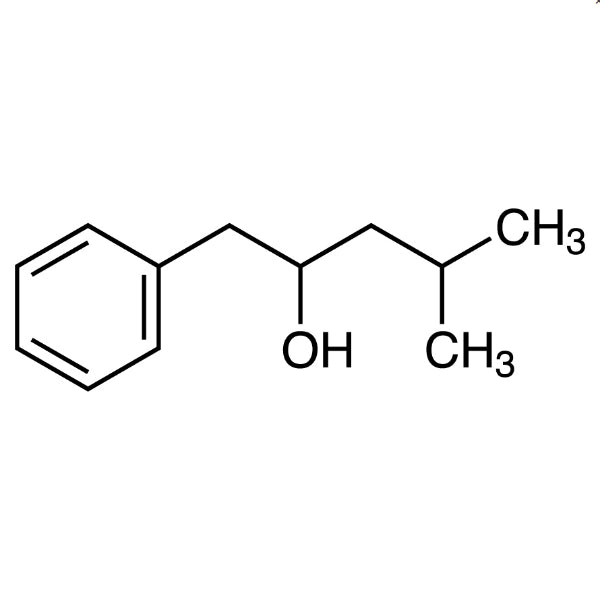
4-Methyl-1-phenyl-2-pentanol is an organic compound widely used as a building block in the synthesis of complex chemical structures. It plays a crucial role in laboratory settings where the formation of carbon-carbon bonds or substitution reactions is required. As a foundational compound, it is essential in the development of aromatic and aliphatic compounds. Its stability and reactivity make it a reliable choice for various chemical reactions. This compound is particularly valuable in organic chemistry research, where precise control over molecular structure is necessary.
The compound's non-polar nature allows it to dissolve in organic solvents such as ethyl acetate and chloroform, making it versatile for different experimental setups. Its controlled chemical properties ensure predictable behavior in laboratory conditions, reducing the risk of unintended reactions. This reliability is especially important in research environments where consistency and accuracy are paramount. The compound’s ability to participate in a wide range of reactions makes it a preferred choice for chemists working on complex synthesis projects.
In Indonesian laboratories, 4-Methyl-1-phenyl-2-pentanol is extensively used in chemical research, particularly in the field of organic synthesis. It is commonly found in experiments requiring a specific structural foundation for the creation of more complex molecules. Many research institutions and universities rely on this compound for their experimental needs, ensuring its widespread use in both academic and industrial research settings.
- Organic synthesis of complex aromatic and aliphatic compounds due to its structural versatility and reactivity.
- Carbon-carbon bond formation reactions where a stable and reactive building block is required.
- Substitution reactions in the development of functionalized organic molecules for pharmaceutical and industrial applications.
- Research in chemical engineering where controlled reactivity and solubility in organic solvents are essential.
- Educational experiments in Indonesian universities to teach fundamental organic chemistry concepts and reaction mechanisms.
| Brand | TCI |
|---|---|
| CAS number | 7779-78-4 |
| Molecular formula | — |
| Purity | — |
| Category | Chemistry > Building Blocks > Non-Heterocyclic Building Blocks |
| Pack sizes | Available in various quantities as per supplier specifications |
| Physical form | Liquid |
| Storage | Store in a cool, dry place away from direct sunlight |
This compound should be stored in a cool, dry environment, away from direct sunlight and sources of heat. It is recommended to use sealed containers made of glass or high-density polyethylene to prevent contamination and evaporation. Due to its non-polar nature, it is important to handle it with appropriate personal protective equipment, such as gloves and safety goggles, to ensure laboratory safety. Proper ventilation should be maintained in the workspace to minimize exposure. The compound is generally stable under normal laboratory conditions, but it should be kept away from incompatible materials to prevent any potential chemical interactions.
—
Produk Terkait
-
2,4,4-Trimethyl-2-pentanol TCI T1962
Regular price From Rp 2.571.450,00Regular price -
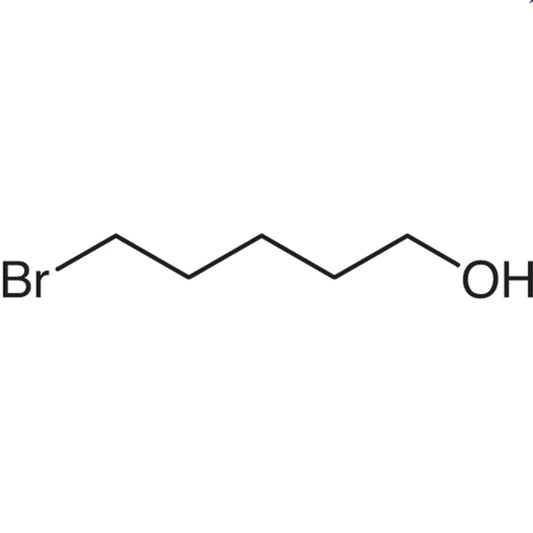
5-Bromo-1-pentanol TCI B1848
Regular price From Rp 1.485.750,00Regular price -
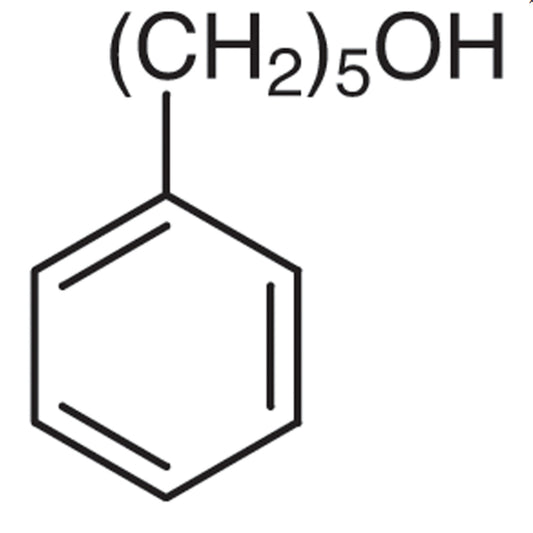
5-Phenyl-1-pentanol TCI P1325
Regular price From Rp 3.658.200,00Regular price -
1-Phenyl-1-pentanol TCI P1086
Regular price From Rp 1.298.850,00Regular price -
3-Methyl-1-phenyl-3-pentanol TCI M2011
Regular price From Rp 505.050,00Regular price -
3-Ethyl-2-methyl-3-pentanol TCI E0481
Regular price Rp 4.320.750,00Regular price -
2,3,4-Trimethyl-3-pentanol TCI D2436
Regular price From Rp 4.108.650,00Regular price -
1-Cyclohexyl-1-pentanol TCI C1569
Regular price Rp 1.008.000,00Regular price