Methyl 2-(Bromomethyl)benzoate is a chemical compound widely used in laboratory settings as a building block for the synthesis of complex organic compounds. Its molecular structure enables participation in various chemical reactions, including substitution and condensation reactions, making it a versatile reagent. In the laboratory, it serves as a key component in the development of heterocyclic and aromatic compounds, supporting a wide range of synthetic pathways. Due to its stability and reactivity, it is a preferred choice for researchers and educators in both academic and industrial environments.
This compound is valued for its high reactivity, particularly due to the bromomethyl group, which facilitates substitution reactions. It exhibits good solubility in organic solvents such as ethyl acetate and chloroform, enhancing its usability in different experimental conditions. Its chemical stability under controlled laboratory conditions ensures consistent performance, making it reliable for both small-scale and large-scale experiments. These properties contribute to its popularity among Indonesian laboratories engaged in chemical research and teaching.
In Indonesian laboratories, Methyl 2-(Bromomethyl)benzoate is commonly used in chemical research and educational settings. It plays a vital role in the synthesis of various organic compounds and is frequently employed in academic institutions and research centers. Its availability and chemical properties make it a standard reagent in the chemical supply chain, supporting both basic and advanced laboratory work.
Related TCI products
- TCI B2224 1129-28-8 Methyl 3-(Bromomethyl)benzoate
- TCI B2053 2417-72-3 Methyl 4-(Bromomethyl)benzoate
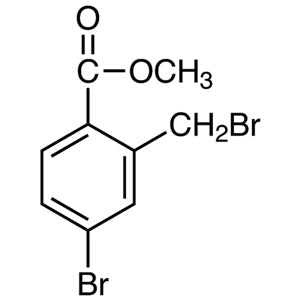
- TCI M2941 78471-43-9 Methyl 4-Bromo-2-(bromomethyl)benzoate
- TCI M1806 114772-38-2 Methyl 2-[4-(Bromomethyl)phenyl]benzoate
- TCI B4048 72707-66-5 2-(Bromomethyl)acrylic Acid
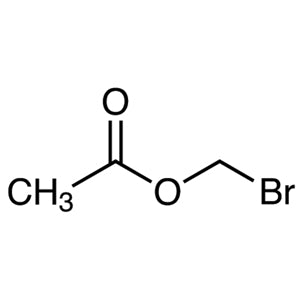
- TCI B3907 590-97-6 Bromomethyl Acetate
- Organic synthesis: This compound is ideal for organic synthesis due to its reactivity and ability to participate in substitution reactions.
- Heterocyclic compound development: It is frequently used in the synthesis of heterocyclic compounds, offering a reliable starting point for complex molecular structures.
- Aromatic compound research: Its molecular structure makes it suitable for the study and development of aromatic compounds in chemical research.
- Educational experiments: It is commonly used in teaching laboratories for demonstrating substitution and condensation reactions.
- Industrial chemical processes: Its stability and reactivity make it a valuable reagent in industrial chemical synthesis applications.
| Brand | TCI |
|---|---|
| CAS number | 2417-73-4 |
| Molecular formula | — |
| Purity | — |
| Category | Chemistry > Building Blocks > Non-Heterocyclic Building Blocks |
| Pack sizes | Available in various pack sizes as per supplier specifications |
| Physical form | Solid or liquid, depending on the specific product variant |
| Storage | Store in a cool, dry place away from light and moisture |
This compound should be stored in a cool, dry place away from direct light and moisture to maintain its stability and reactivity. It is recommended to use airtight containers to prevent exposure to air and contaminants. In laboratory settings, proper personal protective equipment such as gloves and safety goggles should be worn when handling the compound. Due to its chemical nature, it should be kept away from incompatible substances such as strong bases or oxidizing agents. Regular monitoring of storage conditions ensures the compound remains suitable for use in chemical experiments. Proper labeling and storage practices help maintain safety and efficiency in laboratory operations.
—
Produk Terkait
-
Methyl3-(Bromomethyl)benzoate TCI B2224
Regular price From Rp 1.856.400,00Regular price -
Methyl4-(Bromomethyl)benzoate TCI B2053
Regular price From Rp 1.353.450,00Regular price -
Methyl4-Bromo-2-(bromomethyl)benzoate TCI M2941
Regular price From Rp 1.008.000,00Regular price -
Methyl2-[4-(Bromomethyl)phenyl]benzoate TCI M1806
Regular price From Rp 795.900,00Regular price -
2-(Bromomethyl)acrylicAcid TCI B4048
Regular price From Rp 3.817.800,00Regular price -
BromomethylAcetate TCI B3907
Regular price From Rp 2.227.050,00Regular price -
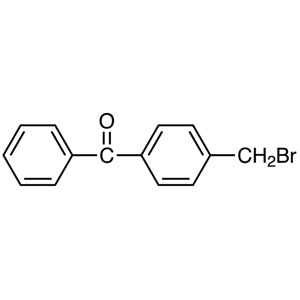
4-(Bromomethyl)benzophenone TCI B3840
Regular price Rp 5.803.350,00Regular price -
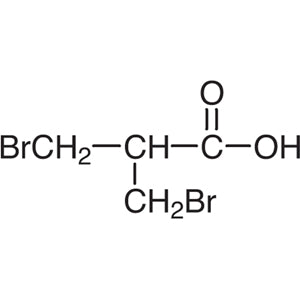
3-Bromo-2-(bromomethyl)propionicAcid TCI B3081
Regular price From Rp 1.510.950,00Regular price


![114772-38-2 Methyl 2-[4-(Bromomethyl)phenyl]benzoate - AMI Scientific](http://amiscientific.com/cdn/shop/files/TCI2510M1806.jpg?v=1767125598&width=533)