Methyl 3-Oxo-4-phenylbutyrate (mixture of isomers), also known by its CAS number 37779-49-0, is a chemical compound widely used in synthetic reactions to produce complex molecules. As a building block in organic chemistry, it plays a crucial role in the development of aromatic compounds and their derivatives. This compound is essential for researchers aiming to synthesize new chemical structures, offering versatility in various reaction pathways. Its presence in laboratory settings supports the advancement of chemical research, particularly in the fields of pharmaceutical and biochemical studies.
The compound is valued for its stable molecular structure and moderate reactivity, making it suitable for a range of chemical transformations. It exhibits good solubility in organic solvents, which enhances its utility in reaction processes and purification techniques. These properties contribute to its effectiveness in laboratory applications, allowing for efficient synthesis and isolation of target compounds. Its reliability and performance make it a preferred choice for both academic and industrial research environments.
In Indonesian laboratories, Methyl 3-Oxo-4-phenylbutyrate is commonly used in chemical, pharmaceutical, and biochemical research. It supports the development of new compounds and the refinement of existing chemical products. Many educational and research institutions rely on this compound for experiments involving the synthesis of aromatic compounds and the exploration of chemical reactivity. Its consistent performance and availability make it an essential tool in the pursuit of scientific discovery.
Related TCI products
- TCI T4002 42594-17-2 Tricyclo[5210~2,6~]decanedimethanol Diacrylate (mixture of isomers) (stabilized with MEHQ)
- TCI T2701 6809-52-5 Teprenone [mixture of (5E,9E,13E)- and (5Z,9E,13E)- isomers]
- TCI B3371 14765-30-1 2-sec-Butylcyclohexanone (mixture of isomers)
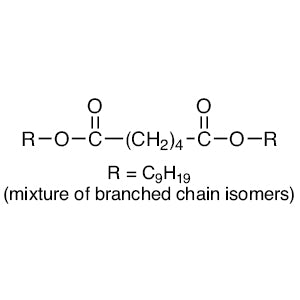
- TCI A1387 33703-08-1 Diisononyl Adipate (mixture of branched chain isomers)
- TCI T0170 26544-38-7 Tetrapropenylsuccinic Anhydride (mixture of branched chain isomers)
- TCI T0023 80-26-2 Terpinyl Acetate (mixture of isomers)
- Aromatic Compound Synthesis: This compound is ideal for building aromatic structures due to its stable molecular framework and reactivity, enabling the creation of complex organic molecules.
- Organic Chemistry Research: Its role as a building block makes it suitable for studies involving molecular synthesis and structural modification in academic and industrial settings.
- Pharmaceutical Development: It is used in the synthesis of drug-related compounds, supporting research into new therapeutic agents and chemical formulations.
- Biochemical Studies: The compound aids in the investigation of biochemical pathways, providing a foundation for the development of bioactive molecules.
- Chemical Education: It is a valuable tool in teaching synthetic chemistry, allowing students to explore reaction mechanisms and molecular construction techniques.
| Brand | TCI |
|---|---|
| CAS number | 37779-49-0 |
| Molecular formula | — |
| Purity | — |
| Category | Chemistry > Building Blocks > Non-Heterocyclic Building Blocks |
| Pack sizes | Available in standard laboratory quantities |
| Physical form | Liquid |
| Storage | Store in a cool, dry place away from light |
This compound should be stored in a cool, dry environment, away from direct sunlight and sources of heat. It is recommended to use airtight containers made of glass or high-density polyethylene to prevent contamination and maintain stability. Due to its chemical nature, it should be handled with appropriate personal protective equipment, including gloves and safety goggles, to ensure laboratory safety. Avoid exposure to incompatible substances and ensure proper ventilation when working with the compound. Regular monitoring of storage conditions is advised to maintain its integrity and effectiveness in laboratory applications.
—
Produk Terkait
-
Tricyclo[5210~2,6~]decanedimethanolDiacrylate(mixtureofisomers)(stabilizedwithMEHQ) TCI T4002
Regular price From Rp 1.273.650,00Regular price -
Teprenone[mixtureof(5E,9E,13E)-and(5Z,9E,13E)-isomers] TCI T2701
Regular price From Rp 2.147.250,00Regular price -
2-sec-Butylcyclohexanone(mixtureofisomers) TCI B3371
Regular price Rp 1.060.500,00Regular price -
DiisononylAdipate(mixtureofbranchedchainisomers) TCI A1387
Regular price From Rp 584.850,00Regular price -
TetrapropenylsuccinicAnhydride(mixtureofbranchedchainisomers) TCI T0170
Regular price From Rp 505.050,00Regular price -
TerpinylAcetate(mixtureofisomers) TCI T0023
Regular price From Rp 477.750,00Regular price -
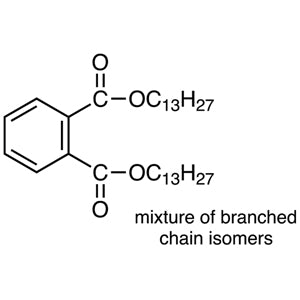
DitridecylPhthalate(mixtureofbranchedchainisomers) TCI P0307
Regular price Rp 477.750,00Regular price -
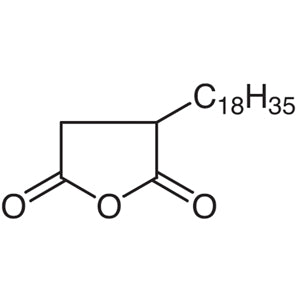
OctadecenylsuccinicAnhydride(mixtureofisomers) TCI O0013
Regular price From Rp 1.087.800,00Regular price
![42594-17-2 Tricyclo[5.2.1.0~2,6~]decanedimethanol Diacrylate (mixture of isomers) (stabilized with MEHQ) - AMI Scientific](http://amiscientific.com/cdn/shop/files/TCI2510T4002.jpg?v=1767144579&width=533)
![6809-52-5 Teprenone [mixture of (5E,9E,13E)- and (5Z,9E,13E)- isomers] - AMI Scientific](http://amiscientific.com/cdn/shop/files/TCI2510T2701.jpg?v=1767143256&width=533)