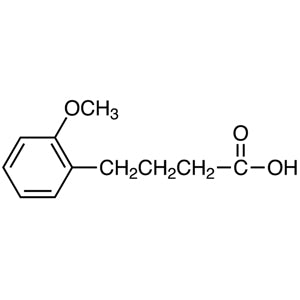
4-(2-Methoxyphenyl)butyric Acid is a chemical compound widely used in organic synthesis reactions within laboratory settings. As a building block, it serves as a foundational material for the development of complex chemical structures, including pharmaceutical compounds and industrial chemicals. Its versatility allows researchers to engage in various chemical transformations, making it an essential component in the toolkit of chemists. This compound is particularly valued for its stability and reactivity, enabling it to participate in multiple synthetic pathways.
The unique properties of 4-(2-Methoxyphenyl)butyric Acid make it a preferred choice in laboratory environments. The methoxy group in its structure acts as an electron-donating group, influencing its reactivity and compatibility with other functional groups. This characteristic enhances its utility in reactions such as esterification, amidation, and substitution. Its chemical stability ensures consistent performance across different experimental conditions, making it reliable for both academic and industrial research.
In Indonesian laboratories, 4-(2-Methoxyphenyl)butyric Acid is commonly used in scientific research projects, including the synthesis of new compounds, molecular modifications, and studies on chemical reactivity. It is particularly relevant in higher education institutions and research centers focused on organic chemistry. Its application spans across various fields, supporting innovation and discovery in the chemical sciences.
- Organic synthesis reactions benefit from this compound's ability to participate in esterification and amidation processes, enabling the creation of complex molecular structures.
- Pharmaceutical research utilizes it as a building block for developing new drug compounds due to its reactivity and compatibility with functional groups.
- Industrial chemical production relies on its stability and versatility for synthesizing a wide range of chemical intermediates.
- Molecular modification studies use it to explore structural changes and functional group interactions in organic compounds.
- Academic research in chemistry employs it to investigate reactivity patterns and synthetic pathways in organic systems.
| Brand | TCI |
|---|---|
| CAS number | 33209-75-5 |
| Molecular formula | — |
| Purity | — |
| Category | Chemistry > Building Blocks > Non-Heterocyclic Building Blocks |
| Pack sizes | Available in various quantities as per standard laboratory supply |
| Physical form | Solid |
| Storage | Store in a cool, dry place away from direct sunlight |
This compound should be stored in a cool, dry environment to maintain its chemical stability and prevent degradation. It is recommended to use airtight containers to minimize exposure to moisture and air, which can affect its reactivity. Proper labeling of storage containers is essential for safety and traceability. Laboratory personnel should handle it with care, using appropriate personal protective equipment such as gloves and safety goggles. The compound is not hazardous under normal storage conditions, but it should be kept away from incompatible substances to ensure safe handling. Regular inspection of storage conditions is advised to maintain optimal chemical integrity.
—
Produk Terkait
-
4-(4-Methoxyphenyl)butyricAcid TCI M2037
Regular price From Rp 769.650,00Regular price -
4-(p-Tolyl)butyricAcid TCI T1727
Regular price From Rp 1.035.300,00Regular price -
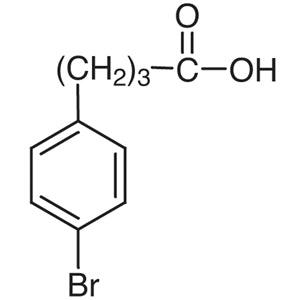
4-(4-Bromophenyl)butyricAcid TCI B3131
Regular price From Rp 1.087.800,00Regular price -
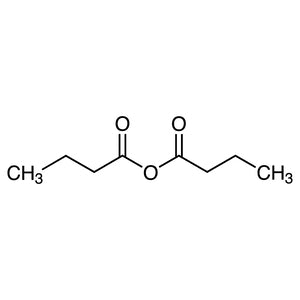
ButyricAnhydride TCI B0766
Regular price From Rp 584.850,00Regular price -
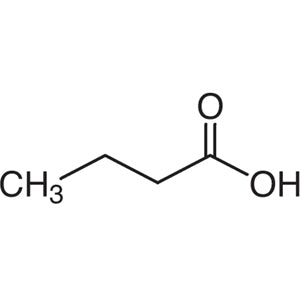
ButyricAcid TCI B0754
Regular price From Rp 477.750,00Regular price -
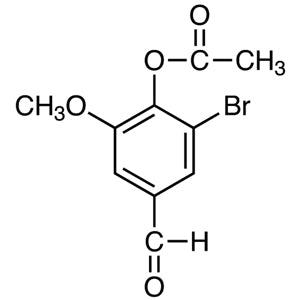
2-Bromo-4-formyl-6-methoxyphenylAcetate TCI B5230
Regular price Rp 1.749.300,00Regular price -
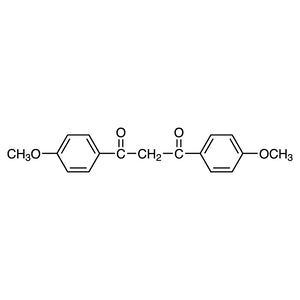
1,3-Bis(4-methoxyphenyl)-1,3-propanedione TCI B1733
Regular price From Rp 4.056.150,00Regular price -
5-Formyl-2-methoxyphenylAcetate TCI A2946
Regular price From Rp 2.466.450,00Regular price