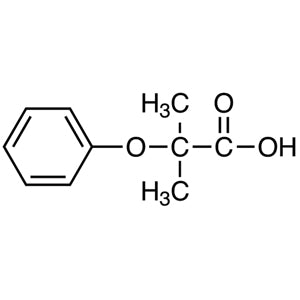
2-Methyl-2-phenoxypropionic Acid is a chemical compound widely used in laboratory settings for the synthesis of complex organic molecules. As a building block in chemical reactions, it plays a crucial role in various synthetic pathways, particularly in substitution and esterification reactions. Its versatility allows it to be a key component in the development of pharmaceuticals, industrial chemicals, and other specialized compounds. This compound is essential for researchers aiming to create new materials or compounds with specific structural and functional properties.
The compound is valued for its chemical stability and moderate reactivity, making it suitable for a range of experimental conditions. Its molecular structure enables it to react with a variety of reagents, including alcohols, acids, and bases, which enhances its applicability in different synthetic processes. The reactivity of 2-Methyl-2-phenoxypropionic Acid also allows for the formation of more complex molecules, contributing to its importance in organic chemistry. Due to its chemical nature, it requires careful handling and controlled environments to ensure safe and effective use.
In Indonesian laboratories, this compound is commonly used in research projects focused on the synthesis of bioactive compounds and industrial chemicals. It is a preferred choice for academic and research institutions due to its reliability and effectiveness in chemical synthesis. Its availability and consistent performance make it a valuable resource for both educational and industrial applications in the chemical sciences.
- Used in pharmaceutical research for the synthesis of bioactive compounds due to its reactivity and structural versatility.
- Applied in industrial chemistry for the development of specialty chemicals and polymer intermediates.
- Utilized in organic synthesis to create complex molecules through esterification and substitution reactions.
- Employed in academic research for teaching and experimental purposes in undergraduate and graduate chemistry courses.
- Integrated into material science projects for the creation of functional materials and advanced chemical structures.
| Brand | TCI |
|---|---|
| CAS number | 943-45-3 |
| Molecular formula | — |
| Purity | — |
| Category | Chemistry > Building Blocks > Non-Heterocyclic Building Blocks |
| Pack sizes | Available in various quantities as per standard laboratory supply formats |
| Physical form | Solid or liquid, depending on the specific product variant |
| Storage | Store in a cool, dry place away from direct sunlight and moisture |
This compound should be stored in a cool, dry environment to maintain its chemical integrity. It is recommended to use airtight containers to prevent exposure to moisture and air, which can affect its stability. Due to its reactivity, it should be handled in a well-ventilated area, preferably under a fume hood, to minimize exposure. Laboratory personnel should wear appropriate personal protective equipment, such as gloves and safety goggles, when handling this material. Proper disposal procedures should be followed to ensure compliance with environmental and safety regulations. Regular monitoring of storage conditions is essential to maintain the quality and effectiveness of the compound in laboratory applications.
—
Produk Terkait
-
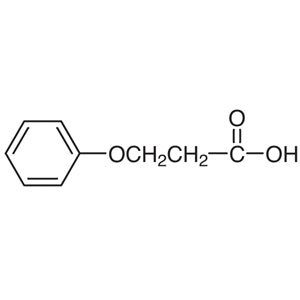
3-PhenoxypropionicAcid TCI P1400
Regular price Rp 2.016.000,00Regular price -
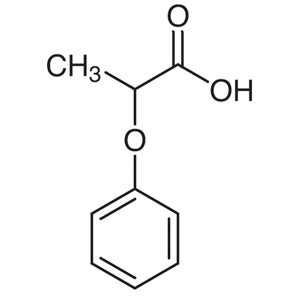
2-PhenoxypropionicAcid TCI P0318
Regular price From Rp 477.750,00Regular price -
2-PhenoxypropionylChloride TCI P0638
Regular price From Rp 1.298.850,00Regular price -
3-EthoxypropionicAcid TCI E0053
Regular price From Rp 1.246.350,00Regular price -
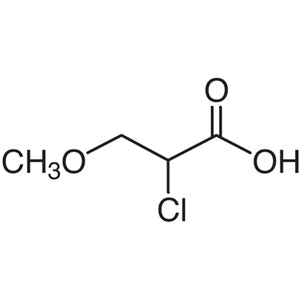
2-Chloro-3-methoxypropionicAcid TCI C1688
Regular price From Rp 2.174.550,00Regular price -
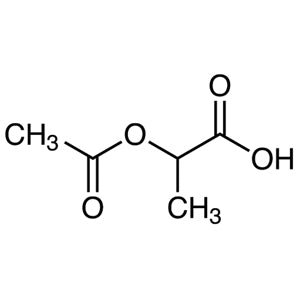
2-AcetoxypropionicAcid TCI A2931
Regular price From Rp 1.220.100,00Regular price -
3-AllyloxypropionicAcid TCI A0657
Regular price Rp 6.360.900,00Regular price -
Ethyl3-Methoxypropionate TCI M1001
Regular price From Rp 1.140.300,00Regular price