


Methylammonium Hexafluorophosphate (MAHFP), with the CAS number 28302-50-3, is a key chemical compound used in the development of perovskite solar cell materials. This compound plays a critical role in the synthesis of perovskite thin films, which are essential for achieving high-performance photovoltaic devices. In laboratory settings, MAHFP is widely utilized for its ability to form stable and efficient crystalline structures, which are crucial for the functionality of perovskite-based solar cells. Its chemical stability and compatibility with various organic solvents make it a versatile material in advanced material research.
MAHFP is preferred due to its excellent solubility in organic solvents, which facilitates uniform dispersion and homogenous mixing in solution-based processes. Its chemical inertness ensures minimal side reactions during synthesis, contributing to the reproducibility and reliability of experimental results. Additionally, its high compatibility with a range of solvents and its stable chemical properties make it suitable for long-term storage and repeated use in research applications. These characteristics make MAHFP a reliable component in the development of next-generation photovoltaic technologies.
In Indonesian laboratories, MAHFP is commonly used in energy research and materials science applications. It is a fundamental material for researchers working on perovskite solar cells, contributing to the advancement of renewable energy technologies. Its consistent performance and ease of handling make it a popular choice among scientists and researchers in the field. The compound's reliability and effectiveness support ongoing innovation in the energy sector.
TCI brochures (PDF)
- Organic-Inorganic Perovskite Precursors 2026-09-01 · p. 6
- Solar Cell Materials 2026-04-21 · p. 8
Related TCI products
- TCI A0008 124-42-5 Acetamidine Hydrochloride
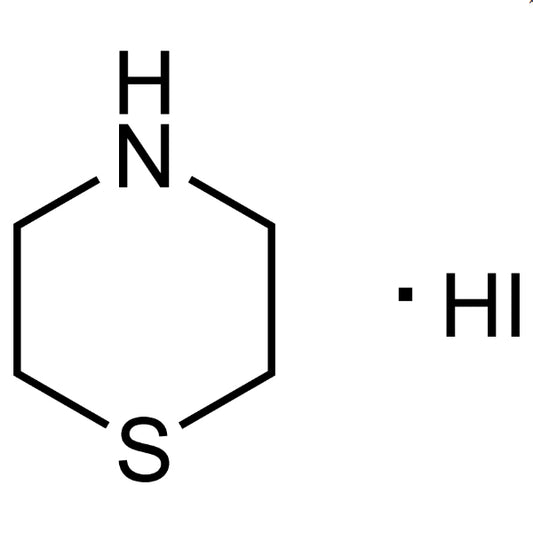
- TCI T4375 118725-79-4 Thiomorpholine Hydroiodide
- TCI T2648 429-42-5 Tetrabutylammonium Tetrafluoroborate
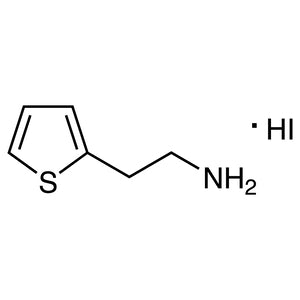
- TCI A3720 2414055-94-8 2-(Thiophen-2-yl)ethan-1-amine Hydroiodide
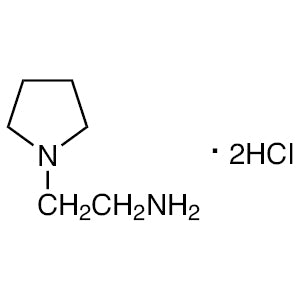
- TCI A3393 65592-36-1 2-(1-Pyrrolidinyl)ethanamine Dihydrochloride
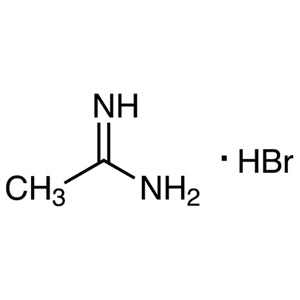
- TCI A3292 1040352-82-6 Acetamidine Hydrobromide
- Perovskite Solar Cell Fabrication: MAHFP is essential for creating perovskite thin films, which are critical for high-efficiency solar cells due to its role in forming stable and efficient crystalline structures.
- Thin Film Deposition: Its solubility in organic solvents allows for uniform dispersion, making it ideal for solution-based thin film deposition techniques used in material synthesis.
- Material Characterization Studies: MAHFP is used in studies to analyze the structural and optical properties of perovskite materials, aiding in the optimization of solar cell performance.
- Energy Research Projects: It supports research into renewable energy solutions by enabling the development of advanced photovoltaic materials with improved efficiency.
- Chemical Compatibility Testing: MAHFP's stability and compatibility with various solvents make it suitable for testing the chemical interactions in material synthesis processes.
| Brand | TCI |
|---|---|
| CAS number | 28302-50-3 |
| Molecular formula | — |
| Purity | — |
| Category | Materials Science > Electronic Materials > Perovskite Solar Cell (PSC) Materials |
| Pack sizes | Available in 50g and 250g |
| Physical form | White crystalline powder |
| Storage | Store in a cool, dry place away from moisture and direct sunlight |
MAHFP should be stored in a cool, dry environment to maintain its chemical stability and prevent degradation. It is recommended to use airtight containers to protect it from moisture and humidity, which can affect its solubility and performance. Due to its chemical inertness, it is generally safe to handle with standard laboratory precautions, but gloves and safety goggles should be worn when working with it to ensure personal protection. It is important to avoid exposure to high temperatures and direct sunlight, as these conditions may alter its properties. Proper labeling of storage containers is essential for safe handling and to prevent accidental contamination. Always ensure that the workspace is well-ventilated when working with this compound to maintain a safe and controlled environment.
—
Produk Terkait
-
AcetamidineHydrochloride TCI A0008
Regular price From Rp 610.050,00Regular priceRp 442.050,00Sale price From Rp 610.050,00 -
ThiomorpholineHydroiodide TCI T4375
Regular price From Rp 1.988.700,00Regular priceRp 1.405.950,00Sale price From Rp 1.988.700,00 -
TetrabutylammoniumTetrafluoroborate TCI T2648
Regular price Rp 2.809.800,00Regular priceRp 1.980.300,00Sale price Rp 2.809.800,00 -
2-(Thiophen-2-yl)ethan-1-amineHydroiodide TCI A3720
Regular price From Rp 1.431.150,00Regular priceRp 1.016.400,00Sale price From Rp 1.431.150,00 -
2-(1-Pyrrolidinyl)ethanamineDihydrochloride TCI A3393
Regular price Rp 1.934.100,00Regular priceRp 1.368.150,00Sale price Rp 1.934.100,00 -
AcetamidineHydrobromide TCI A3292
Regular price From Rp 1.272.600,00Regular priceRp 905.100,00Sale price From Rp 1.272.600,00 -
5-Azoniaspiro[4.4]nonaneIodide TCI A3093
Regular price From Rp 1.510.950,00Regular priceRp 1.072.050,00Sale price From Rp 1.510.950,00 -
5-Azoniaspiro[4.4]nonaneChloride TCI A3092
Regular price From Rp 1.351.350,00Regular priceRp 960.750,00Sale price From Rp 1.351.350,00






![45650-35-9 5-Azoniaspiro[4.4]nonane Iodide - AMI Scientific](http://amiscientific.com/cdn/shop/files/TCI2510A3093.jpg?v=1768358839&width=533)
![98997-63-8 5-Azoniaspiro[4.4]nonane Chloride - AMI Scientific](http://amiscientific.com/cdn/shop/files/TCI_a26e2494-b57b-4cfc-86aa-2b9d81a75643.png?v=1766989192&width=533)
![98997-63-8 5-Azoniaspiro[4.4]nonane Chloride - AMI Scientific](http://amiscientific.com/cdn/shop/files/TCI2510A3092.jpg?v=1769144813&width=533)