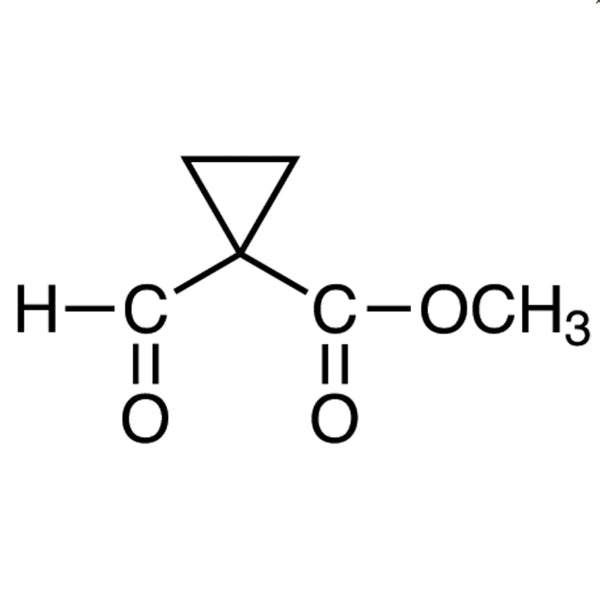
Methyl 1-Formylcyclopropane-1-carboxylate is a chemical compound widely used in organic reactions for the synthesis of complex molecules. As a building block in chemical research, it plays a crucial role in laboratories by serving as a precursor in various synthetic pathways. Its unique molecular structure, combining a cyclopropane ring with a formyl and carboxylate group, makes it a versatile reagent for functional group transformations. This compound is particularly valuable in the development of heterocyclic and non-heterocyclic compounds, contributing to the advancement of chemical research in both academic and industrial settings.
The compound is known for its stability and reactivity, which are key factors in its preference among chemists. It exhibits good solubility in organic solvents, facilitating efficient mixing and reaction processes. Its chemical properties allow it to participate in a variety of reactions, including Diels-Alder and substitution reactions, making it a reliable choice for synthetic chemists. The ability to maintain its integrity under controlled reaction conditions further enhances its utility in laboratory environments.
In Indonesian laboratories, Methyl 1-Formylcyclopropane-1-carboxylate is commonly used in organic chemistry research, especially in the synthesis of new compounds. It is a staple in academic and research institutions where high reactivity and stability are required. Its application in the development of complex molecular structures supports ongoing scientific exploration and innovation in the field of chemistry.
- Organic synthesis applications benefit from its role as a versatile building block for creating complex molecular structures.
- It is ideal for Diels-Alder reactions due to its cyclopropane ring structure, enabling efficient formation of new carbon-carbon bonds.
- Substitution reactions often utilize this compound as a reactive intermediate, allowing for the introduction of functional groups.
- Its solubility in organic solvents makes it suitable for use in solution-based synthetic protocols.
- It supports the development of heterocyclic compounds, contributing to pharmaceutical and material science research.
| Brand | TCI |
|---|---|
| CAS number | 88157-41-9 |
| Molecular formula | — |
| Purity | — |
| Category | Chemistry > Building Blocks > Non-Heterocyclic Building Blocks |
| Pack sizes | Available in various quantities as per supplier specifications |
| Physical form | Liquid |
| Storage | Store in a cool, dry place away from light and incompatible materials |
This compound should be stored in a cool, dry environment, away from direct sunlight and sources of heat. It is recommended to keep it in a tightly sealed container to prevent exposure to air and moisture. Due to its chemical nature, it should be stored separately from incompatible substances such as strong oxidizers or acids. In laboratory settings, proper ventilation is essential when handling this material. Always use appropriate personal protective equipment, including gloves and safety goggles, to ensure safe handling. Regular monitoring of storage conditions is advised to maintain the compound's stability and effectiveness for use in chemical reactions.
—
Produk Terkait
-
Methyl1-Methylcyclopropane-1-carboxylate TCI M1111
Regular price Rp 6.070.050,00Regular price -
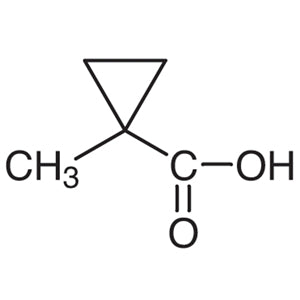
1-Methylcyclopropane-1-carboxylicAcid TCI M0885
Regular price From Rp 3.048.150,00Regular price -
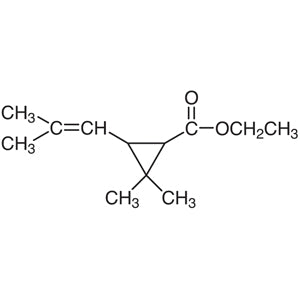
Ethyl2,2-Dimethyl-3-(2-methyl-1-propenyl)cyclopropane-1-carboxylate TCI D2112
Regular price From Rp 1.298.850,00Regular price -
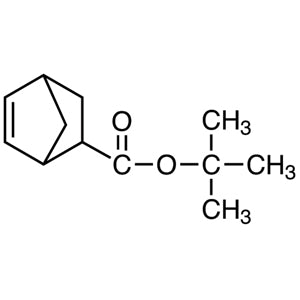
tert-Butyl5-Norbornene-2-carboxylate(endo-andexo-mixture) TCI B4267
Regular price From Rp 1.485.750,00Regular price -
Methyl1-Oxo-2,3-dihydro-1H-indene-2-carboxylate TCI M3689
Regular price Rp 3.843.000,00Regular price -
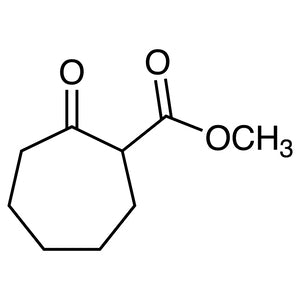
Methyl2-Oxocycloheptane-1-carboxylate TCI M3625
Regular price Rp 2.359.350,00Regular price -
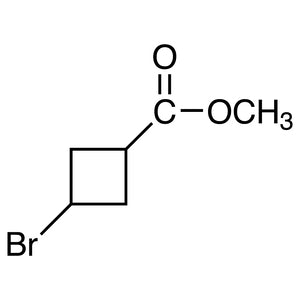
Methyl3-Bromocyclobutane-1-carboxylate(cis-andtrans-mixture) TCI M3616
Regular price From Rp 2.650.200,00Regular price -
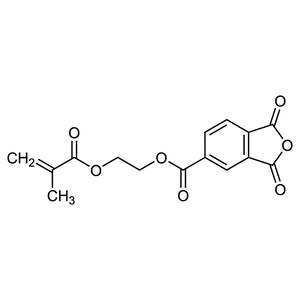
2-(Methacryloyloxy)ethyl1,3-Dioxo-1,3-dihydroisobenzofuran-5-carboxylate TCI M3377
Regular price From Rp 2.650.200,00Regular price