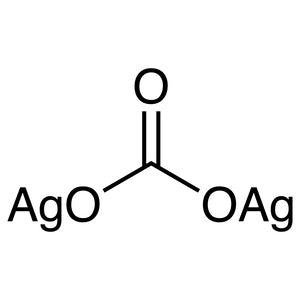
Manganese(II) Carbonate (MnCO₃) is a chemical compound widely used in laboratory experiments across various fields of chemistry. As a transition metal compound, it plays a crucial role in catalytic reactions and inorganic chemistry processes. Its chemical stability and crystalline structure make it a reliable reagent for both qualitative and quantitative analysis. MnCO₃ is particularly valuable in studies involving metal reactivity and the formation of complex compounds, offering consistent performance in controlled experimental environments.
The compound's chemical properties make it a preferred choice for laboratory use. It exhibits low reactivity with common chemicals, which simplifies handling and reduces the risk of unintended side reactions. MnCO₃ is insoluble in water but dissolves in strong acids like hydrochloric or sulfuric acid, making it suitable for acid-base reactions and pH-controlled processes. Its thermal stability ensures that it remains intact during heating procedures, which is essential for maintaining the integrity of experimental outcomes.
In Indonesian laboratories, Manganese(II) Carbonate is frequently utilized in chemical research, especially in catalysis and analytical chemistry. It is a key component in experiments that require the detection and quantification of magnesium ions. Its reliability and consistent performance make it a staple in both academic and industrial research settings across the country.
TCI brochures (PDF)
- Metallic Salts 2025-11-06 · p. 9
- Transition Metal Catalysts 2026-04-10 · p. 6
Related TCI products
- Catalytic Reactions: Manganese(II) Carbonate is used in catalysis due to its stable structure and ability to participate in redox processes without degrading.
- Qualitative Analysis: It serves as a reagent for identifying magnesium ions in samples through precipitation reactions and color changes.
- Acid-Base Reactions: Its solubility in strong acids makes it ideal for experiments requiring controlled pH environments.
- Thermal Stability Studies: The compound's resistance to decomposition under heat makes it suitable for high-temperature experiments.
- Complex Ion Formation: It is used in the synthesis of metal complexes, contributing to the study of coordination chemistry.
| Brand | TCI |
|---|---|
| CAS number | 598-62-9 |
| Molecular formula | — |
| Purity | — |
| Category | Chemistry > Catalysis and Inorganic Chemistry > Transition Elements |
| Pack sizes | Available in standard laboratory quantities |
| Physical form | Powder |
| Storage | Store in a cool, dry place away from moisture and direct sunlight |
Manganese(II) Carbonate should be stored in a cool, dry environment to prevent moisture absorption. It is best kept in airtight containers to maintain its chemical integrity. Due to its low reactivity, it does not require special containment, but it should be handled with care to avoid contamination. In laboratory settings, it is advisable to use gloves and appropriate safety equipment when handling the compound. Proper labeling of storage containers ensures safe access and minimizes the risk of accidental exposure. Regular inspection of storage conditions helps maintain the quality and usability of the material for ongoing research activities.
—
Produk Terkait
-
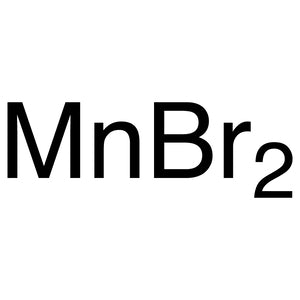
Manganese(II)Bromide TCI M3581
Regular price From Rp 2.782.500,00Regular priceRp 1.945.650,00Sale price From Rp 2.782.500,00 -
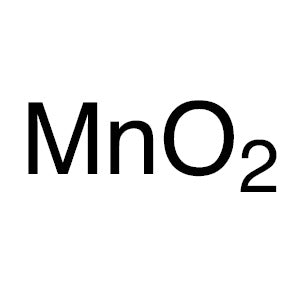
Manganese(IV)Oxide TCI M3448
Regular price From Rp 530.250,00Regular priceRp 370.650,00Sale price From Rp 530.250,00 -
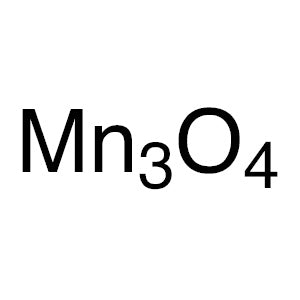
Manganese(II,III)Oxide TCI M3447
Regular price From Rp 1.087.800,00Regular priceRp 760.200,00Sale price From Rp 1.087.800,00 -
Manganese(II)Fluoride TCI M3429
Regular price From Rp 2.094.750,00Regular priceRp 1.464.750,00Sale price From Rp 2.094.750,00 -
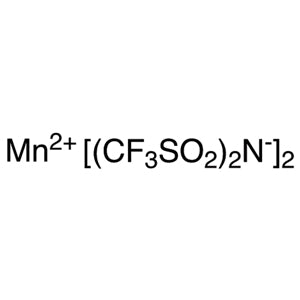
Manganese(II)Bis(trifluoromethanesulfonyl)imide TCI M2862
Regular price From Rp 2.332.050,00Regular priceRp 1.646.400,00Sale price From Rp 2.332.050,00 -
Manganese(II)ChlorideTetrahydrate TCI M2095
Regular price From Rp 505.050,00Regular priceRp 352.800,00Sale price From Rp 505.050,00 -
Silver(I)Carbonate TCI I1241
Regular price From Rp 1.193.850,00Regular priceRp 834.750,00Sale price From Rp 1.193.850,00 -
Tris(2,2,6,6-tetramethyl-3,5-heptanedionato)manganese(III) TCI T4217
Regular price Rp 2.068.500,00Regular priceRp 1.445.850,00Sale price Rp 2.068.500,00