Disodium 4-Nitrophenyl Phosphate Hexahydrate is a chemical compound widely used in laboratory settings as a building block for various organic reactions. It plays a crucial role in the synthesis of complex organic molecules and is particularly valuable in reactions requiring specific chemical transformations. This compound is commonly employed in research and development processes where precise chemical modifications are necessary. Its versatility makes it an essential component in many synthetic pathways, supporting both academic and industrial chemical applications.
The compound's chemical properties, including its stability under controlled conditions, make it a preferred choice for laboratory use. The presence of both phosphate and nitro groups allows it to participate in a variety of chemical reactions such as hydrolysis, esterification, and substitution reactions. These characteristics enhance its utility in organic chemistry, enabling researchers to manipulate molecular structures effectively. Its predictable behavior and compatibility with various reagents further contribute to its popularity in chemical synthesis.
In Indonesian laboratories, Disodium 4-Nitrophenyl Phosphate Hexahydrate is frequently used in scientific research, especially in the fields of pure chemistry and material technology. It is commonly found in university laboratories and research institutions focused on the development of new compounds. Its application extends to the pharmaceutical and chemical industries, where it supports the creation of advanced materials and medicinal compounds.
Related TCI products
- TCI B1098 645-15-8 Bis(4-nitrophenyl) Phosphate [for Phosphodiesterase Substrate]
- TCI T1002 3871-20-3 Tris(4-nitrophenyl) Phosphate
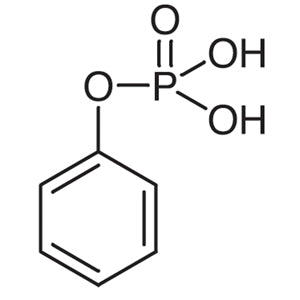
- TCI P0208 3279-54-7 Disodium Phenyl Phosphate
- TCI N1241 330-13-2 4-Nitrophenyl Dihydrogen Phosphate
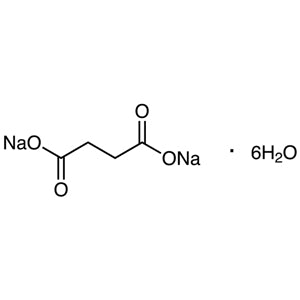
- TCI S0105 6106-21-4 Disodium Succinate Hexahydrate
- TCI T4247 513-08-6 Tripropyl Phosphate
- Organic synthesis where precise chemical modifications are required due to its reactivity and structural versatility.
- Development of new compounds in material science research because of its ability to participate in various chemical transformations.
- Pharmaceutical research for the creation of advanced medicinal compounds due to its involvement in key synthetic pathways.
- Academic research in pure chemistry laboratories for teaching and experimental purposes.
- Industrial chemical processes that require stable and reactive building blocks for compound development.
| Brand | TCI |
|---|---|
| CAS number | 333338-18-4 |
| Molecular formula | — |
| Purity | — |
| Category | Chemistry > Building Blocks > Non-Heterocyclic Building Blocks |
| Pack sizes | Available in various quantities as per supplier specifications |
| Physical form | Solid crystalline powder |
| Storage | Store in a cool, dry place away from direct sunlight |
This compound should be stored in a cool, dry environment to maintain its chemical stability. It is recommended to keep it in a tightly sealed container to prevent moisture absorption and contamination. Due to its chemical nature, it should be handled with appropriate personal protective equipment such as gloves and safety goggles. Avoid exposure to extreme temperatures or direct sunlight, as these conditions may affect its integrity. Proper ventilation is also essential when working with this material to ensure a safe laboratory environment. Always follow standard laboratory safety protocols when handling reactive chemicals.
—
Produk Terkait
-
Bis(4-nitrophenyl)Phosphate[forPhosphodiesteraseSubstrate] TCI B1098
Regular price From Rp 5.327.700,00Regular price -
Tris(4-nitrophenyl)Phosphate TCI T1002
Regular price Rp 3.763.200,00Regular price -
DisodiumPhenylPhosphate TCI P0208
Regular price From Rp 1.565.550,00Regular price -
4-NitrophenylDihydrogenPhosphate TCI N1241
Regular price Rp 4.347.000,00Regular price -
DisodiumSuccinateHexahydrate TCI S0105
Regular price From Rp 477.750,00Regular price -
TripropylPhosphate TCI T4247
Regular price From Rp 1.644.300,00Regular price -
PhenylPhosphate TCI B0026
Regular price From Rp 4.240.950,00Regular price -
PotassiumDi-tert-butylPhosphate TCI P2797
Regular price Rp 1.724.100,00Regular price
![645-15-8 Bis(4-nitrophenyl) Phosphate [for Phosphodiesterase Substrate] - AMI Scientific](http://amiscientific.com/cdn/shop/files/TCI2510B1098.jpg?v=1768193282&width=533)