2-Nitroso-1-naphthol is a chemical compound widely used in organic reactions for the synthesis of complex molecules. It serves as a fundamental building block in chemical laboratories, offering a stable aromatic structure with a nitro group that enhances its reactivity. This compound is commonly found in chemical laboratories as a key reagent or structural component, playing a vital role in various synthetic pathways. Its presence in non-heterocyclic building blocks makes it a versatile tool for chemists seeking to manipulate molecular structures through functional group transformations.
The chemical properties of 2-Nitroso-1-naphthol, including its stability and controlled reactivity, make it a preferred choice for a wide range of experimental applications. Its aromatic nature allows it to participate in multiple reaction types, such as nitration, hydrolysis, and electrophilic substitution. These characteristics enable chemists to design and execute reactions with predictable outcomes, supporting both research and development efforts. The compound’s ability to undergo controlled chemical transformations also makes it suitable for advanced analytical techniques and structural studies.
In Indonesian laboratories, 2-Nitroso-1-naphthol is frequently used in both pure and applied chemical research. It supports the development of new compounds, molecular structure analysis, and reactivity testing under various experimental conditions. Its availability in the local market facilitates independent experimentation, reducing the need for imports and ensuring consistent access for researchers. This accessibility enhances the efficiency of chemical research and innovation within the Indonesian scientific community.
Related TCI products
- TCI N0268 525-05-3 Disodium 1-Nitroso-2-naphthol-3,6-disulfonate Monohydrate
- TCI N0266 131-91-9 1-Nitroso-2-naphthol
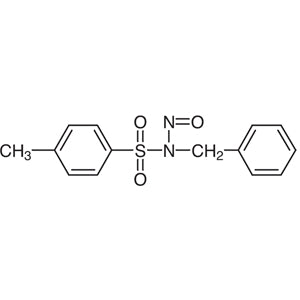
- TCI B3051 33528-13-1 N-Benzyl-N-nitroso-p-toluenesulfonamide
- TCI N0264 614-00-6 N-Nitroso-N-methylaniline
- TCI A1193 82957-06-0 6-Amidino-2-naphthol Methanesulfonate
- TCI N0672 605-62-9 4-Nitro-1-naphthol
- Organic synthesis applications benefit from 2-Nitroso-1-naphthol's ability to participate in multiple reaction types, enabling the creation of complex molecular structures through controlled functional group transformations.
- Structural analysis experiments utilize the compound's aromatic nature and reactivity to study molecular interactions and reaction mechanisms under various experimental conditions.
- Reagent testing in chemical research relies on the compound's stability and predictable reactivity, allowing for accurate evaluation of reaction pathways and product formation.
- Analytical chemistry applications benefit from its use in spectroscopic and chromatographic studies, providing insights into molecular behavior and reaction dynamics.
- Industrial chemical development projects use the compound as a building block for the synthesis of specialized compounds, supporting innovation in chemical manufacturing processes.
| Brand | TCI |
|---|---|
| CAS number | 132-53-6 |
| Molecular formula | — |
| Purity | — |
| Category | Chemistry > Building Blocks > Non-Heterocyclic Building Blocks |
| Pack sizes | Available in standard laboratory quantities |
| Physical form | Solid |
| Storage | Store in a cool, dry place away from light and incompatible materials |
2-Nitroso-1-naphthol should be stored in a cool, dry place away from direct light and incompatible substances to maintain its chemical stability. It is recommended to use sealed containers made of inert materials such as glass or polyethylene to prevent contamination and moisture exposure. In laboratory settings, proper ventilation and personal protective equipment should be used when handling the compound to ensure safety. The compound is generally non-hazardous under normal storage conditions but should be handled with care to avoid potential chemical interactions. Regular monitoring of storage conditions is advised to maintain the integrity and effectiveness of the material for experimental use.
—
Produk Terkait
-
Disodium1-Nitroso-2-naphthol-3,6-disulfonateMonohydrate TCI N0268
Regular price From Rp 1.035.300,00Regular price -
1-Nitroso-2-naphthol TCI N0266
Regular price Rp 1.035.300,00Regular price -
N-Benzyl-N-nitroso-p-toluenesulfonamide TCI B3051
Regular price From Rp 3.843.000,00Regular price -
N-Nitroso-N-methylaniline TCI N0264
Regular price Rp 2.942.100,00Regular price -
6-Amidino-2-naphtholMethanesulfonate TCI A1193
Regular price From Rp 3.232.950,00Regular price -
4-Nitro-1-naphthol TCI N0672
Regular price From Rp 3.870.300,00Regular price -
1-Nitro-2-naphthol TCI N0370
Regular price Rp 4.479.300,00Regular price -
1-Diazo-2-naphthol-4-sulfonicAcid TCI D1674
Regular price Rp 1.749.300,00Regular price