4-Nonylphenol (mixture of branched chain isomers) is a chemical compound widely used in laboratory settings for its versatility in organic synthesis. It serves as a foundational building block in the creation of complex molecules, playing a crucial role in various chemical reactions. Its structure, consisting of a phenol group attached to a branched nonyl chain, provides it with high reactivity and functional versatility. This makes it an essential component in the development of new chemical compounds and materials.
The compound's polar nature and good solubility in organic solvents such as ethyl acetate and ethanol contribute to its effectiveness in a range of chemical processes. These properties allow it to participate in reactions like substitution, esterification, and redox reactions with high efficiency. Additionally, its stability under certain conditions ensures consistent performance, making it a reliable choice for laboratory applications.
In Indonesian laboratories, 4-Nonylphenol is commonly used in organic chemistry research, particularly in the synthesis of new compounds and the development of chemical materials. It is also found in environmental and industrial chemistry studies due to its utility as a precursor in the production of various chemical products. Its widespread use highlights its importance in both academic and industrial research contexts.
Related TCI products
- TCI V0195 106-87-6 3-(Oxiran-2-yl)-7-oxabicyclo[410]heptane (mixture of isomers)
- TCI B5497 17385-36-3 [1,1'-Bi(cyclohexane)]-2,2'-diol (mixture of isomers)
- TCI B1621 20601-38-1 4,4'-Bicyclohexanol (mixture of isomers)
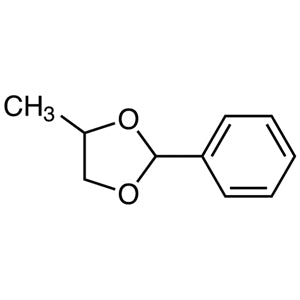
- TCI B1094 2568-25-4 4-Methyl-2-phenyl-1,3-dioxolane (mixture of isomers)
- TCI B0928 80-04-6 2,2-Bis(4-hydroxycyclohexyl)propane (mixture of isomers)
- TCI T0523 24800-44-0 Tripropylene Glycol (mixture of isomers)
- Organic synthesis research utilizes 4-Nonylphenol due to its reactivity and ability to form diverse chemical structures.
- Environmental studies benefit from its use in analyzing pollutants and developing remediation techniques.
- Industrial chemistry applications rely on its role as a building block for creating specialized chemical products.
- Chemical reaction testing employs it for its compatibility with various reagents and solvents.
- Material development projects use it as a precursor in the synthesis of functional polymers and surfactants.
| Brand | TCI |
|---|---|
| CAS number | 84852-15-3 |
| Molecular formula | — |
| Purity | — |
| Category | Chemistry > Building Blocks > Non-Heterocyclic Building Blocks |
| Pack sizes | Available in various quantities as per standard laboratory supply options |
| Physical form | Liquid |
| Storage | Store in a cool, dry place away from direct sunlight |
4-Nonylphenol should be stored in a cool, dry environment to maintain its stability and prevent degradation. It is recommended to keep the compound in a sealed container made of glass or high-density polyethylene to avoid contamination and evaporation. Due to its chemical nature, it should be handled with care, using appropriate personal protective equipment such as gloves and safety goggles. It is important to ensure good ventilation in the laboratory when working with this compound to minimize exposure. Proper storage and handling practices help maintain the integrity of the material and ensure safe laboratory operations.
—
Produk Terkait
-
3-(Oxiran-2-yl)-7-oxabicyclo[410]heptane(mixtureofisomers) TCI V0195
Regular price From Rp 3.870.300,00Regular price -
[1,1'-Bi(cyclohexane)]-2,2'-diol(mixtureofisomers) TCI B5497
Regular price Rp 6.333.600,00Regular price -
4,4'-Bicyclohexanol(mixtureofisomers) TCI B1621
Regular price From Rp 1.565.550,00Regular price -
4-Methyl-2-phenyl-1,3-dioxolane(mixtureofisomers) TCI B1094
Regular price Rp 477.750,00Regular price -
2,2-Bis(4-hydroxycyclohexyl)propane(mixtureofisomers) TCI B0928
Regular price From Rp 505.050,00Regular price -
TripropyleneGlycol(mixtureofisomers) TCI T0523
Regular price From Rp 477.750,00Regular price -
2,2,4,4-Tetramethyl-1,3-cyclobutanediol(mixtureofisomers) TCI T0145
Regular price From Rp 2.227.050,00Regular price -
Diglycerol(mixtureofisomers) TCI T0119
Regular price From Rp 795.900,00Regular price
![106-87-6 3-(Oxiran-2-yl)-7-oxabicyclo[4.1.0]heptane (mixture of isomers) - AMI Scientific](http://amiscientific.com/cdn/shop/files/TCI2510V0195.jpg?v=1767145750&width=533)
![17385-36-3 [1,1'-Bi(cyclohexane)]-2,2'-diol (mixture of isomers) - AMI Scientific](http://amiscientific.com/cdn/shop/files/TCI2510B5497.jpg?v=1768815804&width=533)
![17385-36-3 [1,1'-Bi(cyclohexane)]-2,2'-diol (mixture of isomers) - AMI Scientific](http://amiscientific.com/cdn/shop/files/TCI2510B5497_214e3b8f-db40-41ba-82df-9eaf7780201b.jpg?v=1772180910&width=533)