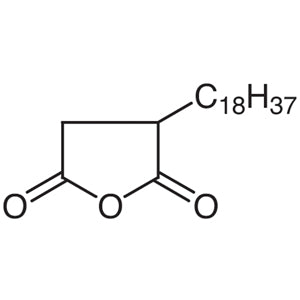
Nonenylsuccinic Anhydride (NESA), with CAS number 28928-97-4, is a chemical compound used as a foundational building block in the synthesis of complex molecules. This compound belongs to the class of anhydrides and is known for its ability to participate in esterification and amidation reactions. In the laboratory, NESA plays a crucial role in the development of organic compounds that require high reactivity and structural complexity. Its utility spans various fields, including pharmaceutical research and material science, where precise chemical reactions are essential.
The chemical properties of NESA make it a preferred choice for synthetic chemists. It exhibits stability under certain conditions but is highly reactive towards water and polar solvents. This reactivity necessitates controlled environments for its use, ensuring that unwanted side reactions are minimized. Its ability to form esters and amides under appropriate conditions makes it a versatile reagent in organic synthesis. The compound's reactivity and structural versatility contribute to its widespread use in both academic and industrial research settings.
In Indonesian laboratories, NESA is commonly used in chemical research, particularly in the synthesis of organic compounds, pharmaceuticals, and advanced materials. Its availability and effectiveness in complex reactions make it a go-to reagent for researchers. Scientists in Indonesia rely on NESA for developing new compounds with potential industrial applications, making it an essential component in modern chemical research.
Related TCI products
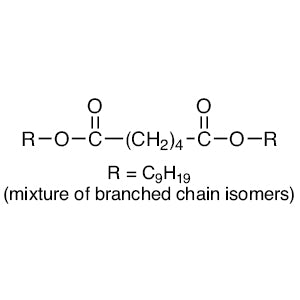
- TCI A1387 33703-08-1 Diisononyl Adipate (mixture of branched chain isomers)
- TCI T0170 26544-38-7 Tetrapropenylsuccinic Anhydride (mixture of branched chain isomers)
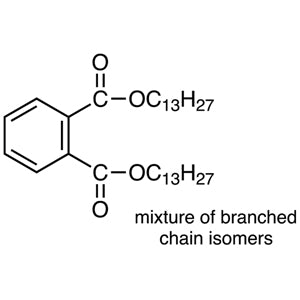
- TCI P0307 75359-31-8 Ditridecyl Phthalate (mixture of branched chain isomers)
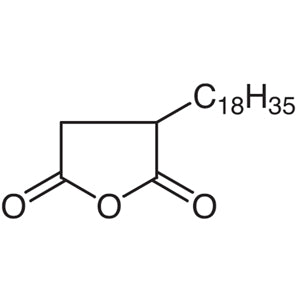
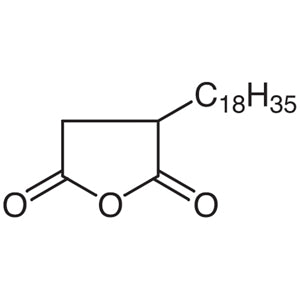
- TCI O0013 28777-98-2 Octadecenylsuccinic Anhydride (mixture of isomers)
- TCI M0690 25134-21-8 Methyl-5-norbornene-2,3-dicarboxylic Anhydride (mixture of isomers)
- TCI M0683 11070-44-3 Methylcyclohexene-1,2-dicarboxylic Anhydride (mixture of isomers)
- Organic synthesis of high-reactivity compounds due to its ability to form esters and amides under controlled conditions.
- Pharmaceutical research for the development of new drugs requiring complex molecular structures.
- Material science applications in the creation of advanced polymers and functional materials.
- Analytical chemistry for the preparation of standard reagents in qualitative and quantitative analyses.
- Industrial chemical processes where precise and controlled chemical reactions are necessary for product development.
| Brand | TCI |
|---|---|
| CAS number | 28928-97-4 |
| Molecular formula | — |
| Purity | — |
| Category | Chemistry > Building Blocks > Non-Heterocyclic Building Blocks |
| Pack sizes | Available in various quantities as per standard laboratory supply |
| Physical form | Solid |
| Storage | Requires storage in a dry, cool, and well-ventilated area away from moisture and polar solvents |
Nonenylsuccinic Anhydride should be stored in a dry, cool, and well-ventilated area to prevent moisture exposure, which can lead to hydrolysis. It is recommended to use airtight containers made of glass or inert materials to maintain its chemical integrity. Due to its reactivity with water and polar solvents, it should be handled in a fume hood to minimize exposure. Proper personal protective equipment, including gloves and safety goggles, should always be worn during handling. The compound should not be stored near incompatible substances such as acids or bases. Regular monitoring of storage conditions ensures the compound remains stable and effective for laboratory use.
—
Produk Terkait
-
DiisononylAdipate(mixtureofbranchedchainisomers) TCI A1387
Regular price From Rp 584.850,00Regular price -
TetrapropenylsuccinicAnhydride(mixtureofbranchedchainisomers) TCI T0170
Regular price From Rp 505.050,00Regular price -
DitridecylPhthalate(mixtureofbranchedchainisomers) TCI P0307
Regular price Rp 477.750,00Regular price -
OctadecenylsuccinicAnhydride(mixtureofisomers) TCI O0013
Regular price From Rp 1.087.800,00Regular price -
Methyl-5-norbornene-2,3-dicarboxylicAnhydride(mixtureofisomers) TCI M0690
Regular price From Rp 505.050,00Regular price -
Methylcyclohexene-1,2-dicarboxylicAnhydride(mixtureofisomers) TCI M0683
Regular price From Rp 875.700,00Regular price -
IsooctadecenylsuccinicAnhydride(mixtureofbranchedchainisomers) TCI I0237
Regular price From Rp 1.378.650,00Regular price -
IsooctadecylsuccinicAnhydride(mixtureofbranchedchainisomers) TCI I0146
Regular price Rp 3.021.900,00Regular price