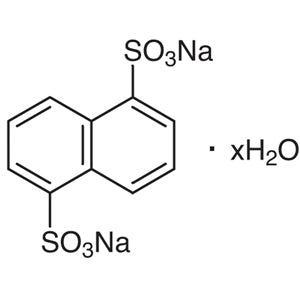
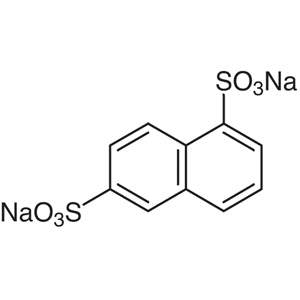
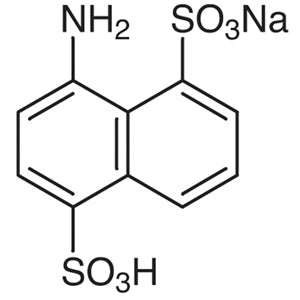
Disodium 1,5-Naphthalenedisulfonate is a chemical compound widely used in laboratory settings as a building block for various chemical reactions and molecular synthesis. It is a key reagent in organic chemistry due to its ability to participate in substitution and polymerization reactions. This compound is particularly valuable for its reactivity and versatility, making it a fundamental component in the development of complex chemical structures. Its presence in the laboratory supports both research and educational activities by enabling the synthesis of new compounds and the study of chemical behavior.
The compound is characterized by its high solubility in water and its capacity to form complexes with various metal ions. These properties make it an ideal choice for applications that require ionic interactions, such as coordination chemistry and ion exchange processes. Additionally, its stability under normal laboratory conditions ensures reliable performance and ease of handling. The chemical’s predictable behavior and consistent quality contribute to its popularity among researchers and educators.
In Indonesian laboratories, Disodium 1,5-Naphthalenedisulfonate is commonly used in chemical research, particularly in academic institutions and research centers. Its availability supports the development of new materials and pharmaceutical compounds, playing a crucial role in advancing scientific knowledge and innovation within the region.
Related TCI products
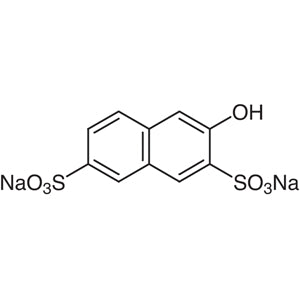
- TCI N0029 135-51-3 Disodium 3-Hydroxy-2,7-naphthalenedisulfonate
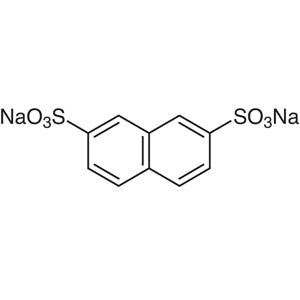
- TCI N0014 1655-35-2 Disodium 2,7-Naphthalenedisulfonate
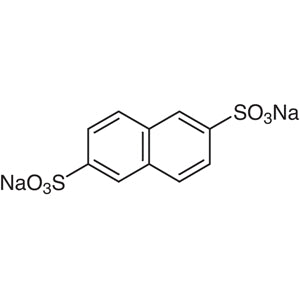
- TCI N0013 1655-45-4 Disodium 2,6-Naphthalenedisulfonate
- TCI N0012 1655-29-4 Disodium 1,5-Naphthalenedisulfonate Hydrate
- TCI N0011 1655-43-2 Disodium 1,6-Naphthalenedisulfonate
- TCI A0337 842-15-9 Monopotassium 7-Amino-1,3-naphthalenedisulfonate Hydrate
- Organic synthesis: This compound is ideal for organic synthesis due to its reactivity and ability to participate in substitution and polymerization reactions.
- Coordination chemistry: Its capacity to form complexes with metal ions makes it suitable for studying coordination compounds and ion exchange processes.
- Material science research: It is used in the development of new materials, including polymers and functional compounds, due to its structural versatility.
- Pharmaceutical development: Its role in synthesizing complex molecules makes it valuable in drug development and medicinal chemistry.
- Educational purposes: It is frequently used in teaching laboratories to demonstrate chemical reactions and molecular synthesis techniques.
| Brand | TCI |
|---|---|
| CAS number | 1655-29-4 |
| Molecular formula | — |
| Purity | — |
| Category | Chemistry > Building Blocks > Non-Heterocyclic Building Blocks |
| Pack sizes | Available in various quantities as per standard laboratory supply |
| Physical form | Solid powder |
| Storage | Store in a cool, dry place away from direct sunlight |
Disodium 1,5-Naphthalenedisulfonate should be stored in a cool, dry place, away from direct sunlight and moisture. It is recommended to use airtight containers to prevent exposure to humidity, which may affect its stability. The compound is generally non-hazardous under normal conditions but should be handled with care to avoid inhalation or contact with skin. In laboratory settings, it is advisable to work in a well-ventilated area and use appropriate personal protective equipment. Proper labeling and storage practices ensure the safety of laboratory personnel and the integrity of the compound.
—
Produk Terkait
-
Disodium3-Hydroxy-2,7-naphthalenedisulfonate TCI N0029
Regular price From Rp 1.510.950,00Regular price -
Disodium2,7-Naphthalenedisulfonate TCI N0014
Regular price Rp 2.094.750,00Regular price -
Disodium2,6-Naphthalenedisulfonate TCI N0013
Regular price Rp 1.035.300,00Regular price -
Disodium1,5-NaphthalenedisulfonateHydrate TCI N0012
Regular price Rp 477.750,00Regular price -
Disodium1,6-Naphthalenedisulfonate TCI N0011
Regular price Rp 4.108.650,00Regular price -
Monopotassium7-Amino-1,3-naphthalenedisulfonateHydrate TCI A0337
Regular price From Rp 903.000,00Regular price -
Disodium1-Naphthol-3,6-disulfonateHydrate TCI V0037
Regular price Rp 584.850,00Regular price -
Sodium4-Amino-1,5-naphthalenedisulfonate TCI A0342
Regular price Rp 1.298.850,00Regular price