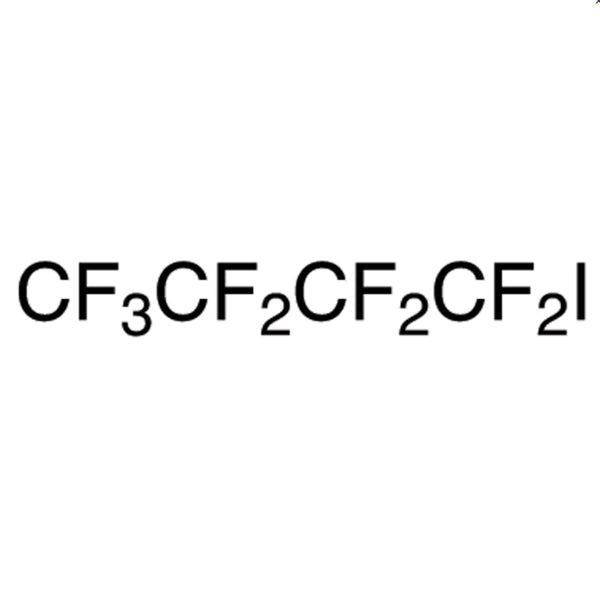
Nonafluorobutyl Iodide (TCI N0499, CAS 423-39-2) is a fluorinated chemical compound widely used in laboratory settings as a building block for the synthesis of complex molecules. This compound is part of the fluorinated building blocks category, which plays a crucial role in organic chemistry research. Its unique molecular structure, featuring four fluorine atoms attached to a carbon chain, provides specific chemical properties that make it valuable for various applications. The presence of iodide in its structure allows for reactivity in substitution reactions, making it a versatile reagent in synthetic pathways.
The compound’s chemical stability combined with its reactivity makes it a preferred choice for chemists working on fluorinated compound synthesis. The iodide group is particularly useful in nucleophilic substitution reactions, enabling the introduction of fluorine atoms into organic molecules. Its ability to participate in a wide range of chemical transformations makes it an essential reagent in both academic and industrial research. The compound’s unique properties allow for the modification of carbon chains, which is critical in the development of new pharmaceuticals and advanced materials.
In Indonesian laboratories, Nonafluorobutyl Iodide is commonly used in scientific research and educational institutions. It is a key component in organic chemistry experiments, especially in pharmacology and the synthesis of new compounds. Its availability and reliability make it a standard reagent in many research facilities across Indonesia, supporting both teaching and innovation in the field of chemistry.
TCI brochures (PDF)
- Fluorous Chemistry 2025-01-21 · p. 8
- Fluorination Reagents, Fluorinated Building Blocks 2026-03-18 · p. 53
Related TCI products
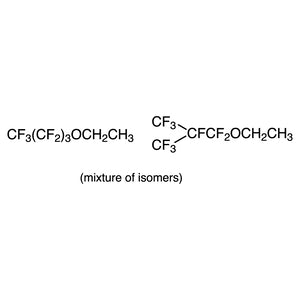
- TCI E0528 813458-04-7 Ethyl Nonafluorobutyl Ether (mixture of isomers)
- TCI N1038 756-13-8 1,1,1,2,2,4,5,5,5-Nonafluoro-4-(trifluoromethyl)-3-pentanone
- TCI N0692 2378-02-1 Nonafluoro-tert-butyl Alcohol
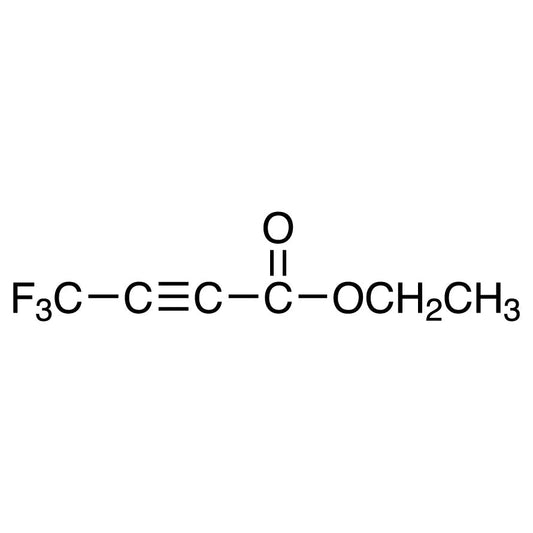
- TCI E1495 79424-03-6 Ethyl 4,4,4-Trifluorobut-2-ynoate
- TCI N0677 79963-95-4 2,2,2-Trifluoroethyl Nonafluorobutanesulfonate
- TCI T1098 355-43-1 Tridecafluorohexyl Iodide
- Fluorinated Compound Synthesis: This reagent is ideal for creating fluorinated compounds due to its reactivity and the presence of iodide, which facilitates substitution reactions.
- Organic Chemistry Research: It is frequently used in synthetic pathways to modify carbon chains, making it essential for complex molecule development.
- Pharmaceutical Development: Its ability to introduce fluorine atoms into organic structures is valuable in the design of new drug molecules.
- Material Science Applications: The compound’s unique properties are useful in the creation of advanced materials with specific chemical and physical characteristics.
- Educational Use in Chemistry Labs: It is commonly used in teaching environments to demonstrate nucleophilic substitution and fluorination processes.
| Brand | TCI |
|---|---|
| CAS number | 423-39-2 |
| Molecular formula | — |
| Purity | — |
| Category | Chemistry > Building Blocks > Fluorinated Building Blocks |
| Pack sizes | Available in various sizes as per supplier specifications |
| Physical form | Liquid |
| Storage | Store in a cool, dry place away from light and incompatible materials |
Nonafluorobutyl Iodide should be stored in a cool, dry environment, away from direct sunlight and sources of heat. It is recommended to keep the compound in a sealed container made of materials compatible with its chemical nature, such as glass or high-density polyethylene. Due to its reactivity, it should be handled in a well-ventilated area, preferably under a fume hood, to minimize exposure. Avoid contact with moisture and incompatible substances like strong oxidizing agents. Always use appropriate personal protective equipment, including gloves and safety goggles, when handling this compound to ensure laboratory safety.
—
Produk Terkait
-
EthylNonafluorobutylEther(mixtureofisomers) TCI E0528
Regular price From Rp 1.035.300,00Regular price -
1,1,1,2,2,4,5,5,5-Nonafluoro-4-(trifluoromethyl)-3-pentanone TCI N1038
Regular price From Rp 3.232.950,00Regular price -
Nonafluoro-tert-butylAlcohol TCI N0692
Regular price From Rp 1.458.450,00Regular price -
Ethyl4,4,4-Trifluorobut-2-ynoate TCI E1495
Regular price Rp 6.651.750,00Regular price -
2,2,2-TrifluoroethylNonafluorobutanesulfonate TCI N0677
Regular price Rp 2.386.650,00Regular price -
TridecafluorohexylIodide TCI T1098
Regular price From Rp 795.900,00Regular price -
HeptafluoroisopropylIodide TCI H0629
Regular price From Rp 2.147.250,00Regular price -
HeptafluoropropylIodide(stabilizedwithCopperchip) TCI H0596
Regular price From Rp 2.597.700,00Regular price