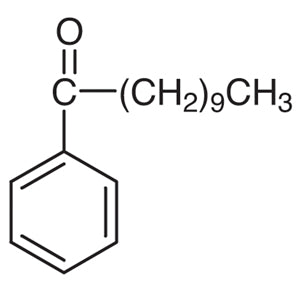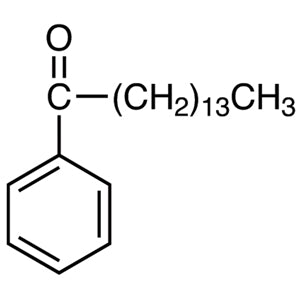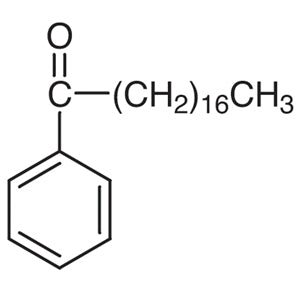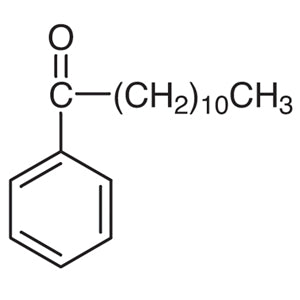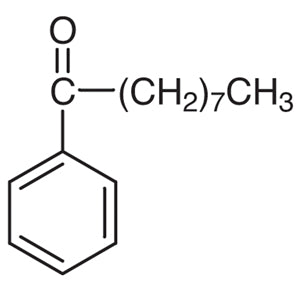
TCI N0568 6008-36-2 Nonanophenone is a chemical compound widely used in organic laboratory reactions. As a building block in chemical synthesis, it serves as a foundational material for creating more complex molecular structures. Its role in the laboratory is critical for researchers engaged in molecular modification and the development of new compounds. This compound is particularly valued for its ability to participate in various reaction types, making it a versatile tool in synthetic chemistry. Nonanophenone is commonly found in both academic and industrial research settings, where its chemical properties are leveraged to achieve specific synthetic goals.
The chemical properties of Nonanophenone make it a preferred choice for organic chemists. It exhibits a stable molecular structure under controlled conditions, allowing for predictable reaction outcomes. However, it is sensitive to oxidation and other chemical reactions, which necessitates careful handling and storage. Its unique molecular configuration enables tunable reactivity, which can be adjusted through specific reaction conditions. This adaptability makes it ideal for substitution and reduction reactions, where precise control over reaction pathways is essential. The compound's reactivity profile is well-suited for applications requiring controlled chemical transformations.
In Indonesian laboratories, Nonanophenone is used across various scientific and educational contexts. It is frequently applied in chemical, pharmaceutical, and industrial research settings. Its versatility and reliability make it a standard material in both academic and applied research. The compound's ability to participate in a wide range of reactions supports its use in diverse experimental protocols. Its presence in Indonesian laboratories underscores its importance in advancing chemical research and education in the region.
- Organic synthesis in academic research due to its role as a versatile building block for complex molecule creation.
- Pharmaceutical development for compound modification and drug candidate synthesis.
- Industrial chemical research for the production of specialty chemicals and intermediates.
- Educational laboratories for teaching organic chemistry principles and reaction mechanisms.
- Analytical chemistry for use as a reference standard in spectroscopic and chromatographic analyses.
| Brand | TCI |
|---|---|
| CAS number | 6008-36-2 |
| Molecular formula | — |
| Purity | — |
| Category | Chemistry > Building Blocks > Non-Heterocyclic Building Blocks |
| Pack sizes | Available in various quantities as per supplier specifications |
| Physical form | Solid (as per standard chemical data) |
| Storage | Store in a cool, dry place away from light and incompatible substances |
Nonanophenone should be stored in a cool, dry environment to maintain its chemical stability. It is recommended to keep the compound in airtight containers to prevent exposure to moisture and air, which can lead to oxidation. Suitable storage containers include glass or high-density polyethylene vessels that are resistant to chemical reactions. Laboratory personnel should handle the compound with care, using appropriate personal protective equipment such as gloves and safety goggles. Avoid contact with strong oxidizing agents and ensure proper ventilation when working with this material. Proper storage and handling practices are essential to ensure the compound remains effective and safe for use in laboratory applications.
—
Produk Terkait
-
Undecanophenone TCI U0053
Regular price From Rp 2.597.700,00Regular price -
Tridecanophenone TCI T1087
Regular price Rp 1.405.950,00Regular price -
Tetradecanophenone TCI T0804
Regular price From Rp 1.538.250,00Regular price -
Pentadecanophenone TCI P1903
Regular price Rp 3.922.800,00Regular price -
Octadecanophenone TCI O0185
Regular price From Rp 1.510.950,00Regular price -
n-Octanophenone TCI O0149
Regular price From Rp 1.724.100,00Regular price -
Nonadecanophenone TCI N0664
Regular price From Rp 1.590.750,00Regular price -
Dodecanophenone TCI L0018
Regular price From Rp 1.246.350,00Regular price