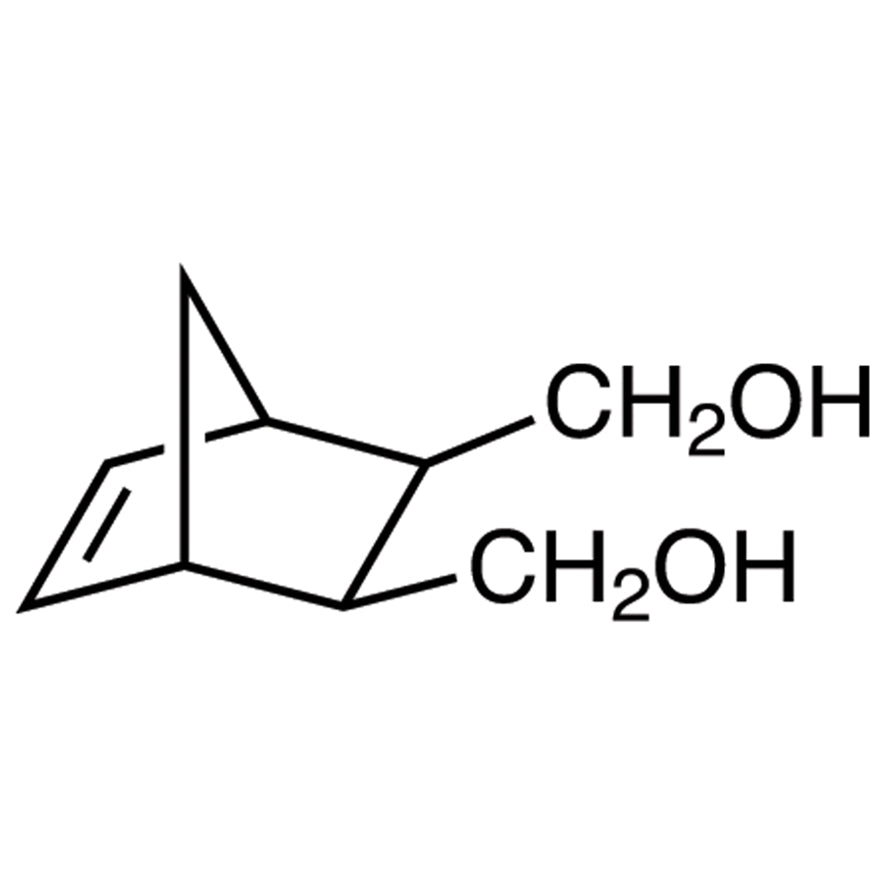
5-Norbornene-2-exo,3-exo-dimethanol from TCI is a bicyclic diol built on a norbornene framework. Both hydroxymethyl groups are in the exo configuration, which means they point toward the methylene bridge and away from the C=C double bond. Because it is a single isomer with defined stereochemistry, it is used mainly as a monomer in polymer chemistry. The strained norbornene double bond can be opened by ring-opening metathesis polymerization (ROMP). The two primary alcohol groups provide reactive sites for polycondensation or further functionalization.
The main appeal of the exo,exo isomer is how it behaves in ROMP. Exo norbornene monomers generally polymerize faster and more cleanly than their endo counterparts, because their substituents do not block the alkene from coordinating to the metal center of the catalyst. As a result, polymerization tends to be more controlled, which makes the monomer well suited to building polymers with defined architectures. The hydroxyl groups stay intact after polymerization, so the polymer can be modified afterward, for example by attaching active molecules, dyes, or crosslinking groups.
In Indonesian laboratories, this material suits research on functional polymers, biomedical materials, and coatings. University polymer chemistry groups, materials science research centers, and industrial R&D teams can use it to study how monomer stereochemistry affects polymerization behavior, or as a building block for hydroxyl-bearing polymer backbones. Its defined exo,exo stereochemistry makes experiments easier to reproduce, which matters for thesis research, published studies, and the early stages of new material development.
Related TCI products
- TCI N0768 699-97-8 5-Norbornene-2-endo,3-endo-dimethanol
- TCI N0764 85-39-2 5-Norbornene-2,3-dimethanol (mixture of endo- and exo-, predominantly endo-isomer)
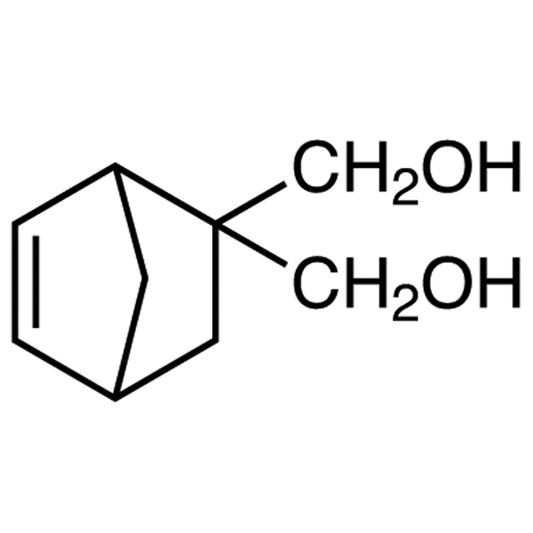
- TCI N0636 6707-12-6 5-Norbornene-2,2-dimethanol
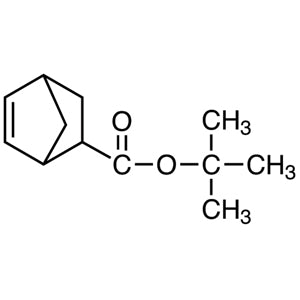
- TCI B4267 154970-45-3 tert-Butyl 5-Norbornene-2-carboxylate (endo- and exo- mixture)
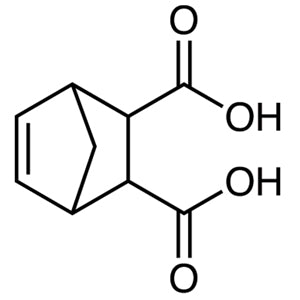
- TCI N1029 3813-52-3 5-Norbornene-2,3-dicarboxylic Acid
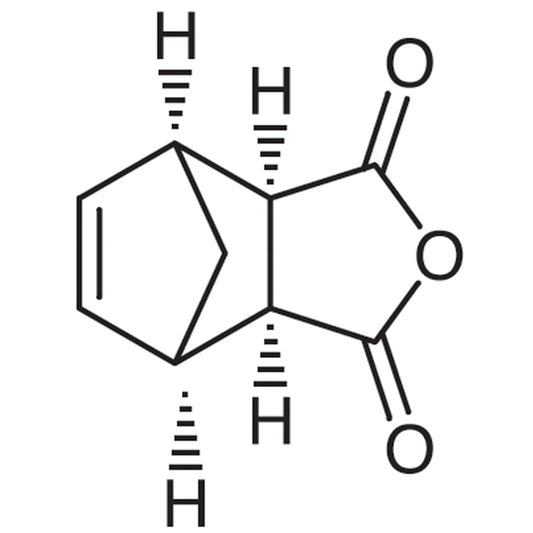
- TCI N0767 2746-19-2 cis-5-Norbornene-exo-2,3-dicarboxylic Anhydride
- Ring-opening metathesis polymerization (ROMP): the strained norbornene double bond opens readily, and the exo,exo configuration supports faster, cleaner, and more controlled polymerization than endo isomers.
- Synthesis of polymers with defined architectures: controlled ROMP behavior makes this monomer a good fit for building well-defined polymer chains where predictable structure is important to the research outcome.
- Polycondensation reactions: the two primary alcohol groups act as reactive sites, so the diol can be built into condensation polymers such as polyesters or polyurethanes alongside suitable co-monomers.
- Post-polymerization modification: the hydroxyl groups survive polymerization intact, so researchers can later attach active molecules, dyes, or crosslinking groups to the finished polymer backbone.
- Functional and biomedical materials research: its defined stereochemistry and modifiable hydroxyl groups make it useful for developing functional polymers, biomedical materials, and coating systems in academic and industrial laboratories.
| Brand | TCI (product code N0769) |
|---|---|
| CAS number | 699-95-6 |
| Molecular formula | — |
| Purity | — |
| Category | Materials Science > Polymer/Macromolecule Reagents > Monomers |
| Pack sizes | available in several TCI pack sizes; please ask our team which sizes are currently offered |
| Physical form | refer to the TCI product label and Certificate of Analysis |
| Storage | store as stated on the TCI label and Safety Data Sheet (SDS) |
Keep 5-Norbornene-2-exo,3-exo-dimethanol in its original, tightly closed TCI container, in a cool, dry, well-ventilated area away from heat, direct sunlight, and incompatible substances such as strong oxidizing agents. Always check the product label and Safety Data Sheet for the exact recommended storage conditions. Close the container promptly after use to limit exposure to moisture and air, which helps keep the monomer pure enough for sensitive polymerizations such as ROMP. Handle the material in a fume hood or well-ventilated area while wearing standard personal protective equipment, including safety glasses, chemical-resistant gloves, and a laboratory coat. Avoid inhaling dust or vapors and prevent contact with skin and eyes. Label any transferred portions clearly, and dispose of waste according to institutional procedures and local regulations.
—
Product Categories
Produk Terkait
-
5-Norbornene-2-endo,3-endo-dimethanol TCI N0768
Regular price From Rp 1.803.900,00Regular price -
5-Norbornene-2,3-dimethanol(mixtureofendo-andexo-,predominantlyendo-isomer) TCI N0764
Regular price From Rp 2.016.000,00Regular price -
5-Norbornene-2,2-dimethanol TCI N0636
Regular price From Rp 2.359.350,00Regular price -
tert-Butyl5-Norbornene-2-carboxylate(endo-andexo-mixture) TCI B4267
Regular price From Rp 1.485.750,00Regular price -
5-Norbornene-2,3-dicarboxylicAcid TCI N1029
Regular price From Rp 1.273.650,00Regular price -
cis-5-Norbornene-exo-2,3-dicarboxylicAnhydride TCI N0767
Regular price From Rp 610.050,00Regular price -
Methyl5-Norbornene-2-carboxylate(endo-andexo-mixture) TCI N0691
Regular price Rp 6.228.600,00Regular price -
5-Norbornene-2-carboxylicAcid(endo-andexo-mixture) TCI N0667
Regular price From Rp 689.850,00Regular price