1-(2-Nitrophenyl)piperazine is a chemical compound widely used as a building block in the synthesis of heterocyclic compounds. Its unique structure, featuring a piperazine ring attached to a nitrophenyl group, makes it a valuable reagent in laboratory settings. This compound plays a crucial role in organic chemistry by enabling the formation of nitrogen-containing and aromatic bonds, which are essential in the development of complex molecular structures. It is particularly useful in research areas that require precise chemical modifications and synthetic pathways.
The compound is known for its chemical stability and versatility in participating in various reactions such as substitution, reduction, and coupling. Its solubility in organic solvents enhances its usability across different experimental conditions, making it a preferred choice for synthetic chemists. The ability to adapt to high reactivity processes further solidifies its importance in laboratory workflows. Its consistent performance and reliability make it a go-to material for researchers aiming to achieve reproducible results.
In Indonesian laboratories, 1-(2-Nitrophenyl)piperazine is an essential component of ongoing research in pharmacology, drug synthesis, and organic chemistry. It is frequently used in academic and research institutions to develop new compounds with potential therapeutic applications. Its availability and chemical properties make it a reliable tool for advancing scientific studies in the region.
Related TCI products
- TCI N0694 6269-89-2 1-(4-Nitrophenyl)piperazine
- TCI B1047 69231-13-6 2,3-Bis(4-nitrophenyl)-5-phenyltetrazolium Chloride
- TCI B0311 3-(4-Nitrophenyl)-5-methyl-2-phenyltetrazolium Chloride
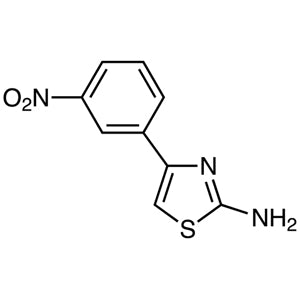
- TCI A3086 57493-24-0 2-Amino-4-(3-nitrophenyl)thiazole
- TCI N1333 729-13-5 2-(4-Nitrophenyl)-1H-benzo[d]imidazole
- TCI N1283 2301-25-9 1-(4-Nitrophenyl)-1H-imidazole
- Drug Synthesis: This compound is ideal for creating complex organic molecules, especially in pharmaceutical research where precise chemical modifications are required.
- Organic Chemistry Research: Its ability to participate in various reactions makes it a key reagent in the development of new chemical structures and synthetic pathways.
- Pharmacological Studies: The compound's role in forming nitrogen-containing bonds is crucial for the synthesis of compounds with potential medicinal applications.
- Heterocyclic Compound Development: Its piperazine structure provides a versatile platform for the synthesis of diverse heterocyclic compounds.
- Chemical Reagent Testing: It is commonly used in experiments that require stable and reactive chemical building blocks for various synthetic processes.
| Brand | TCI |
|---|---|
| CAS number | 59084-06-9 |
| Molecular formula | — |
| Purity | — |
| Category | Chemistry > Building Blocks > Heterocyclic Building Blocks |
| Pack sizes | Available in various quantities as per standard laboratory supply |
| Physical form | Solid |
| Storage | Store in a cool, dry place away from direct sunlight |
This compound should be stored in a cool, dry environment to maintain its chemical stability. It is recommended to keep it in a tightly sealed container to prevent exposure to moisture and air. Due to its reactivity, it should be handled in a well-ventilated area, and appropriate personal protective equipment should be worn. Avoid contact with incompatible materials, and ensure proper disposal following standard chemical waste protocols. Regular monitoring of storage conditions is advised to ensure the compound remains in optimal condition for laboratory use.
—
Produk Terkait
-
1-(4-Nitrophenyl)piperazine TCI N0694
Regular price From Rp 903.000,00Regular price -
2,3-Bis(4-nitrophenyl)-5-phenyltetrazoliumChloride TCI B1047
Regular price Rp 3.446.100,00Regular price -
Chloride TCI B0311
Regular price Rp 1.326.150,00Regular price -
2-Amino-4-(3-nitrophenyl)thiazole TCI A3086
Regular price From Rp 664.650,00Regular price -
2-(4-Nitrophenyl)-1H-benzo[d]imidazole TCI N1333
Regular price From Rp 1.829.100,00Regular price -
1-(4-Nitrophenyl)-1H-imidazole TCI N1283
Regular price From Rp 2.174.550,00Regular price -
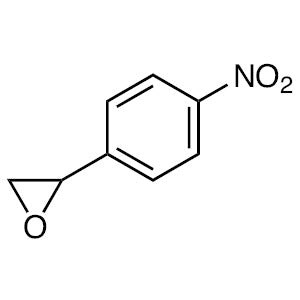
2-(4-Nitrophenyl)oxirane TCI N1216
Regular price Rp 7.792.050,00Regular price -
4-(4-Nitrophenyl)morpholine TCI N1124
Regular price From Rp 557.550,00Regular price


![729-13-5 2-(4-Nitrophenyl)-1H-benzo[d]imidazole - AMI Scientific](http://amiscientific.com/cdn/shop/files/TCI2510N1333.jpg?v=1768362195&width=533)
![729-13-5 2-(4-Nitrophenyl)-1H-benzo[d]imidazole - AMI Scientific](http://amiscientific.com/cdn/shop/files/TCI2510N1333_8c2a3954-89dc-41eb-b10a-a7cee06f68b0.jpg?v=1769057185&width=533)