TCI N1191 153587-01-0 NS-1619 is a chemical compound widely used in life science research, particularly in the fields of cell signaling and neuroscience. This compound plays a crucial role in laboratory experiments by enabling researchers to study the complex mechanisms of cellular communication and the activation of specific biological pathways. It is a versatile tool for investigating how cells respond to external stimuli and how various signaling molecules interact within biological systems. Its applications span across both basic and applied research, making it an essential component in modern scientific investigations.
The compound is preferred due to its stable chemical properties and consistent quality, which ensure reliable and reproducible experimental results. It is available in solid form, making it easy to handle and suitable for use in a variety of experimental setups. The compound’s purity and consistency are critical for maintaining the accuracy of research outcomes. Additionally, its availability in multiple packaging sizes allows for flexibility in both small-scale and large-scale laboratory applications. These features make it a reliable choice for researchers working in diverse scientific environments.
In Indonesian laboratories, this compound is commonly used by researchers in cell biology and neuroscience to explore the molecular basis of cellular functions and neurological processes. It is particularly valuable in studies related to disease mechanisms, drug development, and therapeutic interventions. Its application supports both academic and industrial research, contributing to advancements in clinical and pharmaceutical fields. The compound’s reliability and performance make it a preferred option for scientists in Indonesia seeking high-quality research materials.
Related TCI products
- TCI Z0026 68291-97-4 Zonisamide
- TCI V0118 152-11-4 Verapamil Hydrochloride
- TCI T2845 126150-97-8 Tetrakis(acetoxymethyl) 1,2-Bis(2-aminophenoxy)ethane-N,N,N',N'-tetraacetate
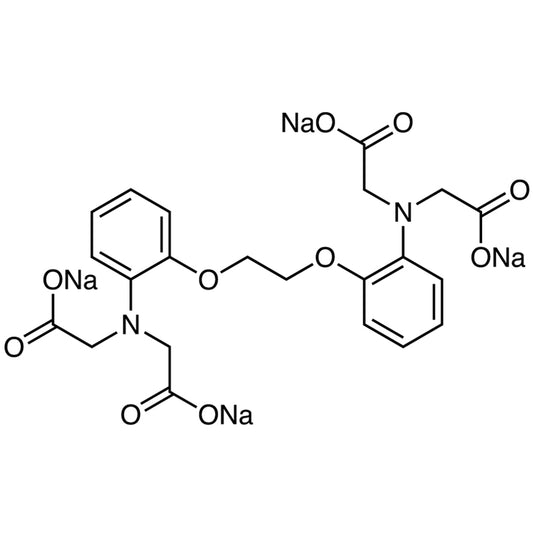
- TCI T2844 126824-24-6 Tetrasodium 1,2-Bis(2-aminophenoxy)ethane-N,N,N',N'-tetraacetate
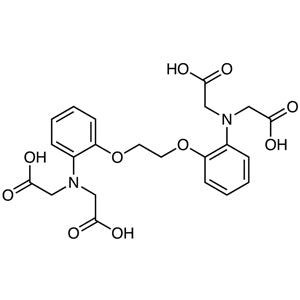
- TCI B3895 85233-19-8 1,2-Bis(2-aminophenoxy)ethane-N,N,N',N'-tetraacetic Acid
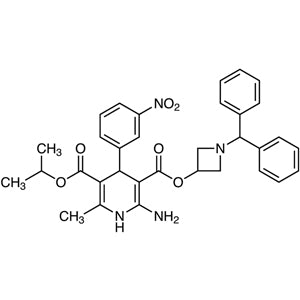
- TCI A2433 123524-52-7 Azelnidipine
- Cell Signaling Research: This compound is ideal for studying the activation and modulation of intracellular signaling pathways, providing insights into how cells respond to external stimuli.
- Neurological Studies: It supports investigations into the molecular mechanisms underlying neurological disorders, aiding in the development of targeted therapies.
- Drug Development: Researchers use it to evaluate the effects of compounds on cellular processes, which is crucial for identifying potential therapeutic agents.
- Biochemical Assays: Its stability and purity make it suitable for use in various biochemical assays, ensuring accurate and reproducible results.
- Pharmacological Testing: It is used to assess the impact of compounds on biological systems, supporting the development of new pharmaceutical products.
| Brand | TCI |
|---|---|
| CAS number | 153587-01-0 |
| Molecular formula | — |
| Purity | — |
| Category | Life Science > Cell Biology > Cell Signaling and Neuroscience |
| Pack sizes | Available in multiple sizes to suit different laboratory needs |
| Physical form | Solid |
| Storage | Store in a cool, dry place away from direct sunlight |
This compound should be stored in a cool, dry environment to maintain its stability and prevent degradation. It is recommended to keep it in a tightly sealed container to avoid exposure to moisture and air. Due to its solid form, it is suitable for storage in standard laboratory containers such as glass or plastic vials. Researchers should handle it with care, using appropriate personal protective equipment when necessary. Proper storage conditions ensure that the compound remains effective for its intended applications. Maintaining a clean and controlled environment is essential to preserve its quality and performance in laboratory settings.
—
Product Categories
Produk Terkait
-
Zonisamide TCI Z0026
Regular price From Rp 2.147.250,00Regular price -
VerapamilHydrochloride TCI V0118
Regular price From Rp 1.565.550,00Regular price -
Tetrakis(acetoxymethyl)1,2-Bis(2-aminophenoxy)ethane-N,N,N',N'-tetraacetate TCI T2845
Regular price From Rp 1.538.250,00Regular price -
Tetrasodium1,2-Bis(2-aminophenoxy)ethane-N,N,N',N'-tetraacetate TCI T2844
Regular price From Rp 1.405.950,00Regular price -
1,2-Bis(2-aminophenoxy)ethane-N,N,N',N'-tetraaceticAcid TCI B3895
Regular price From Rp 1.008.000,00Regular price -
Azelnidipine TCI A2433
Regular price From Rp 2.016.000,00Regular price -
N-(4-Aminobutyl)-5-chloronaphthalene-2-sulfonamideHydrochloride TCI A2416
Regular price Rp 20.509.650,00Regular price -
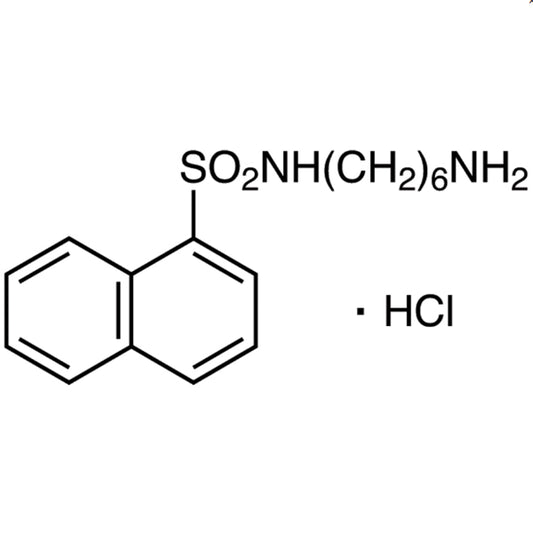
N-(6-Aminohexyl)-1-naphthalenesulfonamideHydrochloride TCI A2410
Regular price From Rp 505.050,00Regular price