1-Octadecyne from TCI is a long-chain terminal alkyne with eighteen carbon atoms and its triple bond at the end of the chain. It is a non-heterocyclic building block that combines two useful features: a reactive terminal alkyne group and a long, strongly hydrophobic alkyl tail. Chemists use 1-Octadecyne to attach lipophilic chains to target molecules through coupling reactions, click chemistry and hydrofunctionalization. It is also used in research on surface modification and in the preparation of functional materials.
The acetylenic hydrogen of the terminal alkyne is fairly acidic. This means 1-Octadecyne can be deprotonated to form an acetylide, and it can take part in Sonogashira coupling and copper-catalyzed azide-alkyne cycloaddition (CuAAC). Both reactions are widely used to join molecular fragments efficiently. The octadecyl chain gives the products strong amphiphilic and hydrophobic character, which helps in the design of synthetic lipids, surfactants and monomolecular layers. Short-chain building blocks rarely offer this mix of reactivity and physical properties, so 1-Octadecyne is a practical choice when a synthesis needs both a reactive handle and a long hydrocarbon chain.
In Indonesia, 1-Octadecyne is relevant to organic chemistry laboratories at universities, research institutes and industrial R&D groups working on synthesis, materials science and surface chemistry. Researchers developing new lipid-like compounds, hydrophobic coatings or functionalized materials can use it as a dependable starting material. Because it comes from TCI, laboratories get a well-established reagent source for method development, teaching labs at advanced levels and exploratory synthesis projects, whether the work is academic or aimed at industrial applications.
- Sonogashira coupling: the terminal alkyne reacts with aryl or vinyl halides to form carbon-carbon bonds, adding a long octadecyl chain to aromatic or conjugated frameworks.
- Copper-catalyzed azide-alkyne cycloaddition (CuAAC): the reactive terminal triple bond takes part in click chemistry, linking the hydrophobic chain to azide-bearing molecules efficiently and selectively.
- Acetylide formation and alkylation: the fairly acidic acetylenic hydrogen allows deprotonation to an acetylide, which can then react with electrophiles to extend or functionalize the carbon chain.
- Synthesis of lipids and surfactants: the eighteen-carbon chain gives strong hydrophobic and amphiphilic character, which makes it suitable for building synthetic lipids and surface-active compounds.
- Surface modification and functional materials: the combination of a reactive alkyne head and a long alkyl tail supports research on monomolecular layers, hydrophobic coatings and functionalized material surfaces.
| Brand | TCI (product code O0128) |
|---|---|
| CAS number | 629-89-0 |
| Molecular formula | — |
| Purity | — |
| Category | Chemistry > Building Blocks > Non-Heterocyclic Building Blocks |
| Pack sizes | available pack sizes are listed on the product page |
| Physical form | — |
| Storage | follow the conditions stated on the TCI label and Safety Data Sheet |
- Chemical type: long-chain terminal alkyne (C18)
Store 1-Octadecyne in its original tightly closed container, in a cool, dry, well-ventilated area away from heat sources, open flames and strong oxidizing agents. Keep the container clearly labeled and reseal it promptly after use to limit exposure to air and moisture. Always check the storage temperature and any other conditions on the TCI label and Safety Data Sheet. When handling, wear standard laboratory protective equipment, including safety glasses, chemical-resistant gloves and a lab coat, and work in a fume hood or well-ventilated area. Avoid contact with skin and eyes and avoid breathing in any vapors. Dispose of waste according to local regulations and your institution's chemical waste procedures.
—
Produk Terkait
-
TCI B5774 5,10-Bis(4,4,5,5-tetramethyl-1,3,2-dioxaborolan-2-yl)naphtho[1,2-c:5,6-c']bis([1,2,5]oxadiazole)
Regular price Rp 10.255.350,00Regular price -
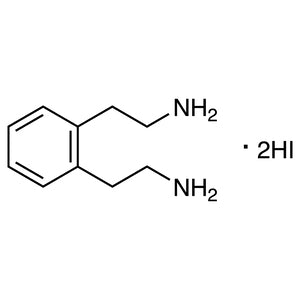
Dihydroiodide TCI B6569
Regular price From Rp 1.936.200,00Regular price -
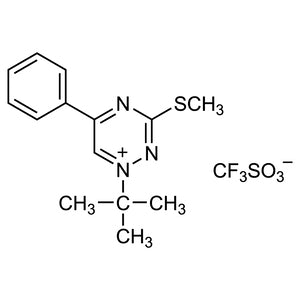
Trifluoromethanesulfonate TCI B7003
Regular price From Rp 1.936.200,00Regular price
![5,10-Bis(4,4,5,5-tetramethyl-1,3,2-dioxaborolan-2-yl)naphtho[1,2-c:5,6-c']bis([1,2,5]oxadiazole) - TCI B5774 - AMI Scientific](http://amiscientific.com/cdn/shop/files/TCI2510B5774.jpg?v=1769180228&width=533)