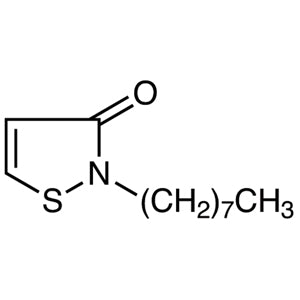
2-n-Octyl-4-isothiazolin-3-one is a chemical compound widely used in life science research, particularly in cell biology and nutrition studies. It serves as a key component in antiseptic and preservative formulations, playing a crucial role in maintaining the integrity of laboratory samples by preventing microbial growth. Its presence ensures that experimental results remain reliable and free from contamination, making it an essential tool for researchers working with biological materials. This compound is especially valuable in environments where sterility and precision are paramount, such as in microbiological and biochemical experiments.
The compound is known for its ability to inhibit the growth of bacteria and fungi, making it highly effective in preserving the quality of samples over time. It is soluble in organic solvents, which enhances its versatility in various experimental setups. These properties make it a preferred choice for researchers who require a stable and reliable preservative that can be easily integrated into different laboratory protocols. Its chemical stability under certain conditions also contributes to its long-term usability and ease of storage.
In Indonesian laboratories, 2-n-Octyl-4-isothiazolin-3-one is extensively used in life science research, particularly in the development of antiseptics and preservatives. It is commonly found in nutrition studies where maintaining sample purity is essential. Its effectiveness and safety profile have made it a popular choice among researchers in both academic and industrial settings, supporting a wide range of experimental applications.
Related TCI products
- TCI B2430 2634-33-5 1,2-Benzisothiazol-3(2H)-one
- TCI O0378 26530-20-1 2-n-Octyl-4-isothiazolin-3-one [for Biochemical Research]
- TCI D4157 64359-81-5 4,5-Dichloro-2-n-octyl-4-isothiazolin-3-one
- TCI A1562 84387-89-3 3-Amino-5-nitrobenz[d]isothiazole
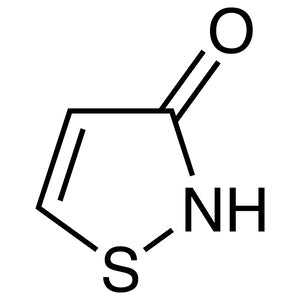
- TCI I1172 1003-07-2 Isothiazol-3(2H)-one
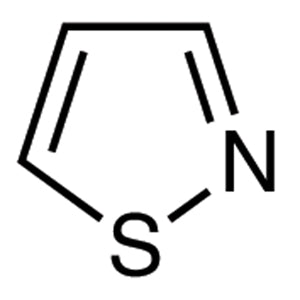
- TCI I0982 288-16-4 Isothiazole
- Antiseptic Formulation Development: This compound is ideal for creating effective antiseptic solutions due to its broad-spectrum antimicrobial properties, which help prevent microbial contamination in sensitive experiments.
- Sample Preservation in Nutritional Research: It is used to maintain the integrity of biological samples by inhibiting microbial growth, ensuring accurate and reliable results in nutritional studies.
- Microbial Inhibition in Cell Culture: Its ability to suppress bacterial and fungal growth makes it suitable for use in cell culture environments where contamination can compromise experimental outcomes.
- Laboratory Reagent Stability Testing: Its chemical stability under controlled conditions makes it a valuable component in reagent formulations that require long-term storage and consistent performance.
- Preservation of Biological Materials: It is used to extend the shelf life of biological samples, ensuring they remain uncontaminated and suitable for use in various research applications.
| Brand | TCI |
|---|---|
| CAS number | 26530-20-1 |
| Molecular formula | — |
| Purity | — |
| Category | Life Science > Cell Biology > Nutrition Research |
| Pack sizes | Available in various quantities as per standard laboratory supply options |
| Physical form | Liquid |
| Storage | Store in a cool, dry place away from direct sunlight |
This compound should be stored in a cool, dry place, away from direct sunlight and sources of heat. It is recommended to use airtight containers to prevent exposure to moisture and air, which may affect its stability. Due to its chemical nature, it should be handled with appropriate personal protective equipment, such as gloves and safety goggles, to ensure laboratory safety. It is important to keep it out of reach of children and ensure proper ventilation in the workspace. Regular inspection of storage conditions is advised to maintain its effectiveness and safety during use.
—
Produk Terkait
-
1,2-Benzisothiazol-3(2H)-one TCI B2430
Regular price From Rp 1.485.750,00Regular price -
2-n-Octyl-4-isothiazolin-3-one[forBiochemicalResearch] TCI O0378
Regular price Rp 928.200,00Regular price -
4,5-Dichloro-2-n-octyl-4-isothiazolin-3-one TCI D4157
Regular price Rp 2.625.000,00Regular price -
3-Amino-5-nitrobenz[d]isothiazole TCI A1562
Regular price Rp 1.220.100,00Regular price -
Isothiazol-3(2H)-one TCI I1172
Regular price Rp 6.201.300,00Regular price -
Isothiazole TCI I0982
Regular price From Rp 1.060.500,00Regular price -
n-OctylAcetate TCI A0042
Regular price From Rp 505.050,00Regular price -
1H,1H,2H,2H-Tridecafluoro-n-octylMethacrylate(stabilizedwithHQ+MEHQ) TCI T3414
Regular price From Rp 1.273.650,00Regular price

![26530-20-1 2-n-Octyl-4-isothiazolin-3-one [for Biochemical Research] - AMI Scientific](http://amiscientific.com/cdn/shop/files/TCI2510O0378.jpg?v=1767131821&width=533)

![84387-89-3 3-Amino-5-nitrobenz[d]isothiazole - AMI Scientific](http://amiscientific.com/cdn/shop/files/TCI2510A1562.jpg?v=1767081675&width=533)