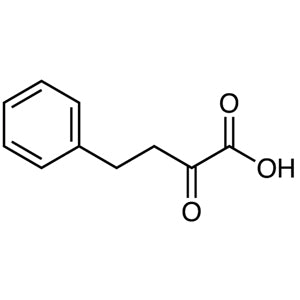
2-Oxo-4-phenylbutyric acid is a chemical compound widely used in laboratory settings for the synthesis of complex organic molecules. As a building block in chemical reactions, it plays a crucial role in the development of new compounds through various synthetic pathways. Its unique molecular structure enables it to participate in multiple reaction types, including esterification, amidation, and substitution reactions. This versatility makes it a valuable resource for chemists working on diverse synthetic projects.
The compound is preferred due to its chemical stability under controlled conditions and its ability to react predictably with other reagents. Its reactivity allows for precise control over the formation of desired products, making it ideal for applications requiring structural accuracy. Despite its reactivity, it remains a reliable choice for laboratory use when handled appropriately. Its availability and consistent quality further enhance its appeal for both academic and industrial research.
In Indonesian laboratories, 2-oxo-4-phenylbutyric acid is commonly used in organic chemistry research, particularly in educational institutions and research facilities. It is a staple in experiments aimed at synthesizing complex organic compounds. Its role in teaching and research ensures that it remains a fundamental component in the chemical toolkit of Indonesian scientists and students.
- Organic synthesis of complex molecules due to its reactivity and structural versatility.
- Esterification reactions as a key intermediate in the formation of ester compounds.
- Amidation processes for the synthesis of amide derivatives with high structural fidelity.
- Substitution reactions where precise control over product formation is essential.
- Educational experiments in undergraduate and graduate chemistry programs for hands-on learning.
| Brand | TCI |
|---|---|
| CAS number | 710-11-2 |
| Molecular formula | — |
| Purity | — |
| Category | Chemistry > Building Blocks > Non-Heterocyclic Building Blocks |
| Pack sizes | Available in various quantities as per standard chemical supply practices. |
| Physical form | Solid, typically in crystalline or powder form. |
| Storage | Store in a cool, dry place away from direct sunlight and moisture. |
This compound should be stored in a cool, dry environment to maintain its chemical stability. It is recommended to use airtight containers to prevent exposure to moisture and air, which may affect its reactivity. Laboratory personnel should wear appropriate personal protective equipment, such as gloves and safety goggles, when handling the substance. Due to its reactivity, it should be kept away from incompatible materials like strong oxidizers or acids. Proper ventilation is essential in the workspace to minimize inhalation risks. Regular monitoring of storage conditions ensures the compound remains in optimal condition for use in experiments.
—
Produk Terkait
-
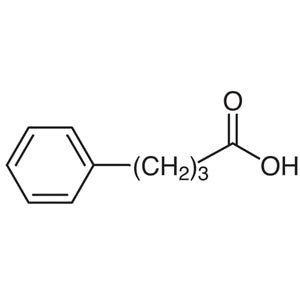
4-PhenylbutyricAcid TCI P0643
Regular price From Rp 2.094.750,00Regular price -
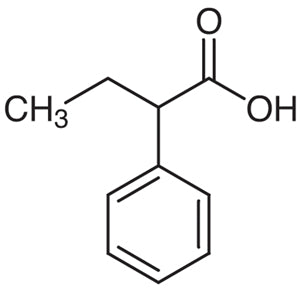
2-PhenylbutyricAcid TCI P0164
Regular price From Rp 505.050,00Regular price -
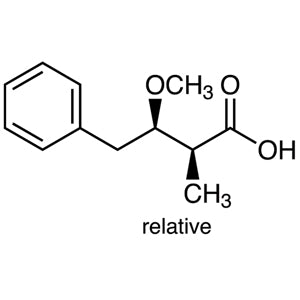
erythro-3-Methoxy-2-methyl-4-phenylbutyricAcid TCI M2415
Regular price Rp 3.949.050,00Regular price -
4-Bromo-2,2-diphenylbutyricAcid TCI B3597
Regular price From Rp 1.035.300,00Regular price -
2-Phenylbutyrophenone TCI P2269
Regular price Rp 2.121.000,00Regular price -
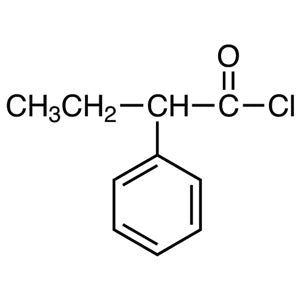
2-PhenylbutyrylChloride TCI P1665
Regular price From Rp 557.550,00Regular price -
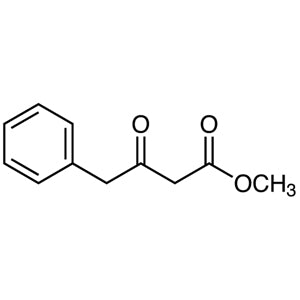
Methyl3-Oxo-4-phenylbutyrate(mixtureofisomers) TCI M2396
Regular price From Rp 2.279.550,00Regular price -
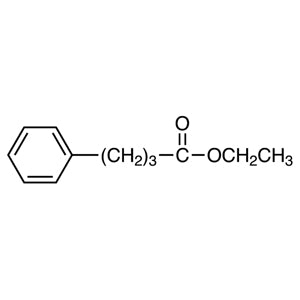
Ethyl4-Phenylbutyrate TCI E1027
Regular price From Rp 689.850,00Regular price