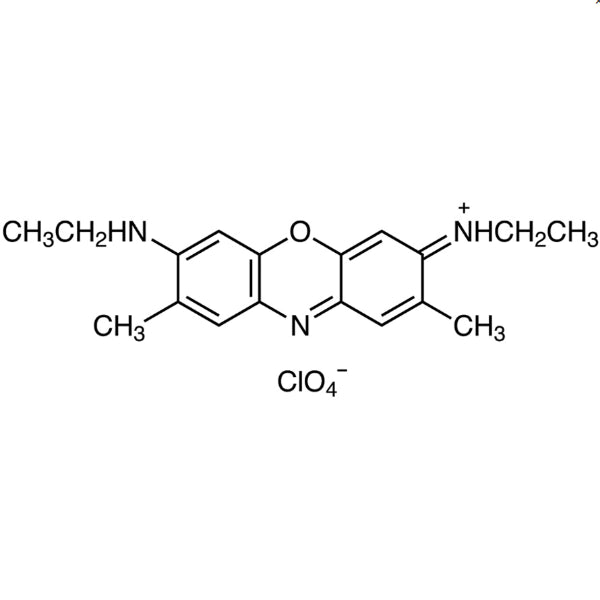
Oxazine 4 Perchlorate (TCI O0479, CAS 41830-81-3) is a chemical compound widely used in scientific experiments, particularly in the fields of material science and optical materials. This compound plays a crucial role in laboratory settings where precise control over chemical reactions and optical responses is required. Its unique chemical properties make it a valuable tool for researchers working on functional dyes and photonic materials. Due to its stability and reactivity, it is often employed in the synthesis of complex compounds and in studies involving optical material behavior.
The compound’s chemical structure is stable, allowing for controlled reactivity, which is essential for achieving consistent results in laboratory experiments. Its ability to interact with various reagents enhances its versatility in different experimental contexts. This makes Oxazine 4 Perchlorate a preferred choice for researchers aiming to manipulate chemical reactions with high precision. Its optical properties also make it suitable for applications that require the study of light-matter interactions.
In Indonesian laboratories, Oxazine 4 Perchlorate is commonly used in research related to optical materials, analytical chemistry, and the development of new materials. Its relevance in these fields supports local efforts to create innovative materials with unique optical characteristics. The compound’s reliability and adaptability make it an essential component in many scientific investigations conducted in Indonesia.
Related TCI products
- TCI E0974 1476067-44-3 (1R,3S,5R,7R,8aS)-7-Ethylhexahydro-1-(6-hydroxy-4-quinolinyl)-3,7-methano-1H-pyrrolo[2,1-c][1,4]oxazine
- TCI B6742 2037-95-8 2H-Benzo[e][1,3]oxazine-2,4(3H)-dione
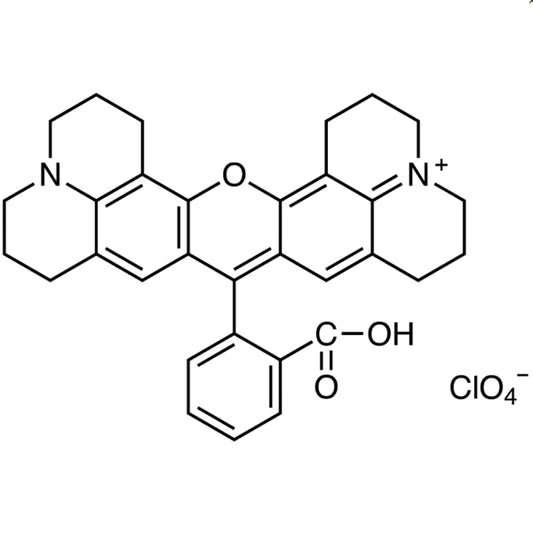
- TCI T3608 115532-50-8 Tetramethylrhodamine Methyl Ester Perchlorate
- TCI B2897 2743539-91-3 9-(2-Biphenylyl)-10-methylacridinium Perchlorate
- TCI B0832 10513-45-8 N-tert-Butyl-5-methylisoxazolium Perchlorate
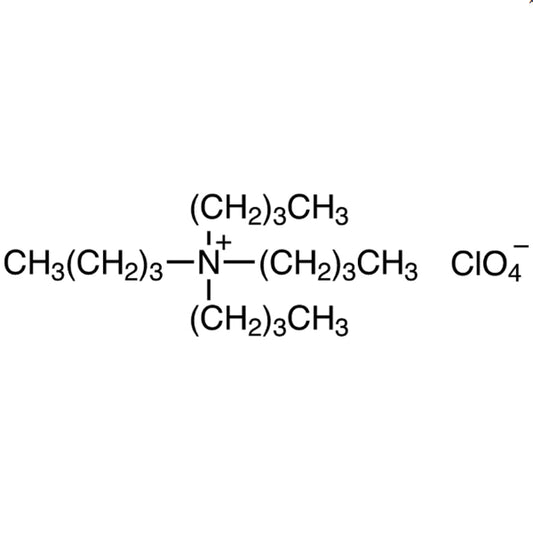
- TCI T0836 1923-70-2 Tetrabutylammonium Perchlorate
- Optical material research as it enables the study of light interaction with materials, supporting the development of advanced photonic components.
- Analytical chemistry experiments due to its reactivity and ability to interact with various reagents, aiding in the detection and analysis of chemical substances.
- Synthesis of complex compounds as its stable structure allows for controlled chemical reactions, facilitating the creation of new materials.
- Functional dye development because of its optical properties, which are crucial for creating dyes with specific color and reactivity characteristics.
- Material innovation projects where its unique chemical behavior contributes to the creation of novel materials with specialized optical properties.
| Brand | TCI |
|---|---|
| CAS number | 41830-81-3 |
| Molecular formula | — |
| Purity | — |
| Category | Materials Science > Photonic Materials and Optical Materials > Functional Dyes (Other) |
| Pack sizes | — |
| Physical form | — |
| Storage | Store in a cool, dry place away from moisture and direct sunlight |
Oxazine 4 Perchlorate should be stored in a cool, dry environment to maintain its chemical stability. It is recommended to keep the compound in a sealed container to prevent exposure to moisture and air. Proper ventilation is essential when handling the material to minimize inhalation risks. Avoid contact with skin and eyes, and use appropriate personal protective equipment such as gloves and safety goggles. The compound should not be stored near flammable materials due to its potential reactivity. Regular monitoring of storage conditions ensures the material remains safe and effective for use in laboratory applications.
—
Product Categories
Produk Terkait
-
(1R,3S,5R,7R,8aS)-7-Ethylhexahydro-1-(6-hydroxy-4-quinolinyl)-3,7-methano-1H-pyrrolo[2,1-c][1,4]oxazine TCI E0974
Regular price Rp 5.857.950,00Regular price -
2H-Benzo[e][1,3]oxazine-2,4(3H)-dione TCI B6742
Regular price From Rp 2.147.250,00Regular price -
TetramethylrhodamineMethylEsterPerchlorate TCI T3608
Regular price From Rp 3.446.100,00Regular price -
9-(2-Biphenylyl)-10-methylacridiniumPerchlorate TCI B2897
Regular price Rp 4.240.950,00Regular price -
N-tert-Butyl-5-methylisoxazoliumPerchlorate TCI B0832
Regular price From Rp 1.458.450,00Regular price -
TetrabutylammoniumPerchlorate TCI T0836
Regular price From Rp 1.565.550,00Regular price -
Rhodamine19Perchlorate TCI R0191
Regular price From Rp 2.016.000,00Regular price -
Rhodamine640Perchlorate TCI R0188
Regular price From Rp 1.298.850,00Regular price
![(1R,3S,5R,7R,8aS)-7-Ethylhexahydro-1-(6-hydroxy-4-quinolinyl)-3,7-methano-1H-pyrrolo[2,1-c][1,4]oxazine (CAS 1476067-44-3) - TCI E0974 - AMI Scientific](http://amiscientific.com/cdn/shop/files/TCI2510E0974.jpg?v=1767112088&width=533)
![2H-Benzo[e][1,3]oxazine-2,4(3H)-dione (CAS 2037-95-8) - TCI B6742 - AMI Scientific](http://amiscientific.com/cdn/shop/files/TCI2510B6742.jpg?v=1767094149&width=533)