Sodium 4-Phenylbutyrate is a chemical compound widely used in life science research, particularly in the study of cell biology and apoptosis. It functions as a modulator of proteins, playing a key role in regulating enzyme activity and the apoptotic process. In laboratory settings, this compound is essential for inducing or inhibiting cell death pathways, making it a vital tool in the investigation of degenerative diseases and cancer. Its ability to influence both gene expression and protein activity positions it as a critical reagent in various experimental protocols.
One of the main reasons Sodium 4-Phenylbutyrate is preferred in laboratories is its chemical stability and solubility in organic solvents. These properties ensure consistent performance across different experimental conditions. Additionally, its molecular structure allows for effective interaction with target proteins, enhancing its efficacy in biochemical and pharmacological applications. This makes it a reliable choice for researchers aiming to achieve precise and reproducible results.
In Indonesian laboratories, Sodium 4-Phenylbutyrate is commonly used in research related to biological processes, particularly in studies involving apoptosis and protein regulation. Its versatility and effectiveness in diverse experimental setups make it a popular reagent among scientists working in biotechnology, pharmaceutical development, and genetic research. The compound’s reliability and adaptability contribute to its widespread use in both academic and industrial research environments.
- Apoptosis Research – Sodium 4-Phenylbutyrate is used to modulate apoptosis pathways, aiding in the study of programmed cell death mechanisms.
- Gene Expression Studies – Its ability to influence gene expression makes it valuable in genetic research and therapeutic development.
- Protein Regulation Experiments – The compound interacts effectively with target proteins, making it suitable for studies on enzyme activity and protein function.
- Drug Development – Sodium 4-Phenybutyrate is employed in the development of new pharmaceuticals due to its impact on cellular processes.
- Biotechnology Research – It is utilized in biotechnology applications where precise control over cellular functions is required.
| Brand | — |
|---|---|
| CAS number | — |
| Molecular formula | — |
| Purity | — |
| Category | — |
| Pack sizes | — |
| Physical form | — |
| Storage | — |
- Brand – TCI
- CAS Number – 1716-12-7
- Category – Life Science > Cell Biology > Apoptosis
- Pack Sizes – Available in various quantities as per standard laboratory requirements
- Physical Form – Solid powder
- Storage Note – Store in a cool, dry place away from direct sunlight
Sodium 4-Phenylbutyrate should be stored in a cool, dry location, away from direct sunlight and moisture. It is recommended to keep the compound in a tightly sealed container to prevent exposure to air and humidity. Due to its chemical stability, it does not require refrigeration under normal laboratory conditions. However, it is important to handle the compound with care, using appropriate personal protective equipment such as gloves and safety goggles. Avoid contact with skin and eyes, and ensure proper ventilation when working with the substance. The compound is generally safe to handle when following standard laboratory safety protocols.
—
Produk Terkait
-
TCI B5774 5,10-Bis(4,4,5,5-tetramethyl-1,3,2-dioxaborolan-2-yl)naphtho[1,2-c:5,6-c']bis([1,2,5]oxadiazole)
Regular price Rp 10.255.350,00Regular price -
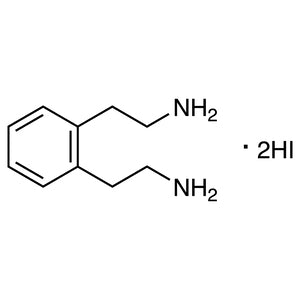
Dihydroiodide TCI B6569
Regular price From Rp 1.936.200,00Regular price -
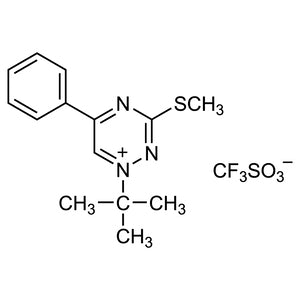
Trifluoromethanesulfonate TCI B7003
Regular price From Rp 1.936.200,00Regular price
![5,10-Bis(4,4,5,5-tetramethyl-1,3,2-dioxaborolan-2-yl)naphtho[1,2-c:5,6-c']bis([1,2,5]oxadiazole) - TCI B5774 - AMI Scientific](http://amiscientific.com/cdn/shop/files/TCI2510B5774.jpg?v=1769180228&width=533)