Sodium Hexafluorotitanate(IV) is an inorganic compound widely used in chemical reactions and catalytic processes within laboratory settings. It is a metallic salt that plays a critical role in both organic and inorganic synthesis due to its unique reactivity and structural properties. This compound is composed of titanium and fluorine ions, making it a valuable reagent for promoting chemical transformations. Its ability to act as a catalyst without altering the final product structure makes it a preferred choice in many experimental setups.
The compound's chemical stability under specific conditions, combined with its reactivity towards water and organic solvents, makes it a versatile material for various applications. Its hygroscopic nature requires careful handling and storage to prevent unwanted reactions. Sodium Hexafluorotitanate(IV) is particularly favored for its capacity to interact with a wide range of substrates, enabling efficient and selective chemical reactions. This property is especially important in research environments where precision and control are essential.
In Indonesian laboratories, Sodium Hexafluorotitanate(IV) is commonly used in inorganic chemistry and catalysis research. It is frequently found in chemical research labs, pharmaceutical industries, and material science studies. Its role in accelerating chemical reactions without compromising product integrity makes it a key component in both academic and industrial research. The compound's unique properties make it an essential tool for scientists working on advanced chemical processes and material development.
TCI brochures (PDF)
- Metallic Salts 2025-11-06 · p. 14
- Transition Metal Catalysts 2026-04-10 · p. 3
Related TCI products
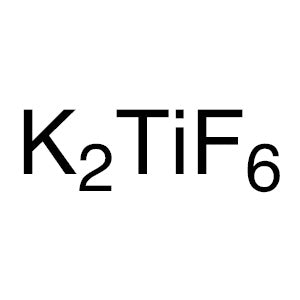
- TCI P2923 16919-27-0 Potassium Hexafluorotitanate(IV)
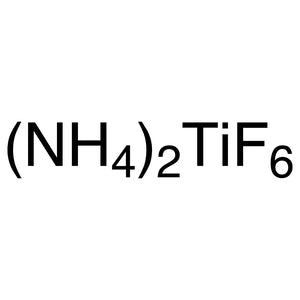
- TCI A3509 16962-40-6 Ammonium Hexafluorotitanate(IV)
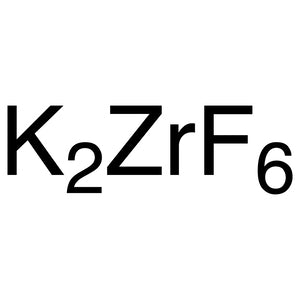
- TCI P2953 16923-95-8 Potassium Hexafluorozirconate(IV)
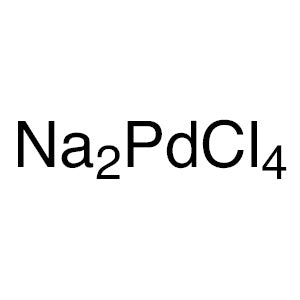
- TCI S0540 13820-53-6 Sodium Tetrachloropalladate(II)
- TCI S0463 26042-64-8 Silver Hexafluoroantimonate(V)
- TCI P3139 10025-98-6 Potassium Tetrachloropalladate(II)
- Inorganic chemistry research benefits from Sodium Hexafluorotitanate(IV) due to its ability to facilitate complex reactions and stabilize intermediate compounds.
- Catalytic processes in chemical synthesis rely on this compound to enhance reaction rates and improve yield without altering the final product structure.
- Material science experiments utilize Sodium Hexafluorotitanate(IV) for its reactivity with various substrates, aiding in the development of new materials with specific properties.
- Pharmaceutical research incorporates this compound to support the synthesis of organic compounds and improve reaction efficiency in drug development.
- Industrial chemical processes use Sodium Hexafluorotitanate(IV) to optimize reaction conditions and achieve high-quality chemical outputs in production settings.
| Brand | TCI |
|---|---|
| CAS number | 17116-13-1 |
| Molecular formula | — |
| Purity | — |
| Category | Chemistry > Catalysis and Inorganic Chemistry > Metallic Salts |
| Pack sizes | Available in various quantities as per standard laboratory supply |
| Physical form | Solid powder |
| Storage | Requires desiccated storage to prevent moisture absorption |
Sodium Hexafluorotitanate(IV) should be stored in a dry, cool, and well-ventilated area to prevent moisture absorption, which can lead to unwanted reactions. It is recommended to use airtight containers made of materials that are chemically inert, such as glass or high-density polyethylene, to ensure stability. Due to its hygroscopic nature, the compound should be handled in a controlled environment with minimal exposure to humidity and air. Laboratory personnel should wear appropriate personal protective equipment, including gloves and safety goggles, when working with this material. Proper labeling and storage conditions are essential to maintain the compound's integrity and ensure safe handling in research settings.
—
Produk Terkait
-
PotassiumHexafluorotitanate(IV) TCI P2923
Regular price From Rp 505.050,00Regular priceRp 352.800,00Sale price From Rp 505.050,00 -
AmmoniumHexafluorotitanate(IV) TCI A3509
Regular price From Rp 1.087.800,00Regular priceRp 760.200,00Sale price From Rp 1.087.800,00 -
PotassiumHexafluorozirconate(IV) TCI P2953
Regular price From Rp 717.150,00Regular priceRp 500.850,00Sale price From Rp 717.150,00 -
SodiumTetrachloropalladate(II) TCI S0540
Regular price Rp 4.531.800,00Regular priceRp 3.184.650,00Sale price Rp 4.531.800,00 -
SilverHexafluoroantimonate(V) TCI S0463
Regular price Rp 3.155.250,00Regular priceRp 2.206.050,00Sale price Rp 3.155.250,00 -
PotassiumTetrachloropalladate(II) TCI P3139
Regular price Rp 4.161.150,00Regular priceRp 2.925.300,00Sale price Rp 4.161.150,00 -
SodiumHexanitrocobaltate(III) TCI O0646
Regular price From Rp 2.227.050,00Regular priceRp 1.557.150,00Sale price From Rp 2.227.050,00 -
LithiumHexafluoroantimonate TCI L0411
Regular price From Rp 2.359.350,00Regular priceRp 1.649.550,00Sale price From Rp 2.359.350,00