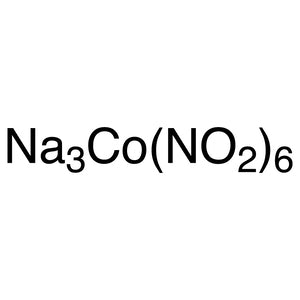
Sodium Hexanitrocobaltate(III) is a chemical compound widely used in laboratory settings, particularly in the fields of catalysis and inorganic chemistry. As a transition metal complex, it plays a crucial role in various chemical reactions, especially those involving oxidation and reduction processes. Its unique structure and high reactivity make it an essential tool for researchers studying the behavior of transition metals and their coordination compounds. This compound is commonly found in advanced chemical research, where its properties are leveraged to explore new synthetic pathways and material properties.
The compound’s preference in laboratory applications stems from its stability under controlled conditions and its ability to interact with a wide range of ligands. These interactions allow for the formation of diverse coordination complexes, making it a versatile reagent in both synthetic and analytical chemistry. Its high reactivity ensures efficient catalytic performance, which is vital in reactions requiring precise control over reaction pathways. Additionally, its well-defined crystalline structure facilitates accurate identification and analysis, enhancing its utility in both qualitative and quantitative studies.
In Indonesian laboratories, Sodium Hexanitrocobaltate(III) is frequently used in academic and industrial research settings. It is particularly valuable in studies related to inorganic materials and complex compound synthesis. Its role in catalytic processes and structural analysis makes it a key component in the chemical research toolkit of Indonesian scientists and researchers. Its reliability and consistent performance contribute to its popularity in both educational and applied research environments.
TCI brochures (PDF)
- Metallic Salts 2025-11-06 · p. 14
- Transition Metal Catalysts 2026-04-10 · p. 9
Related TCI products
- Oxidation and Reduction Reactions: Sodium Hexanitrocobaltate(III) is ideal for oxidation and reduction processes due to its high reactivity and catalytic properties, enabling efficient reaction pathways in synthetic chemistry.
- Coordination Complex Studies: Its ability to interact with various ligands makes it a preferred compound for studying the formation and behavior of coordination complexes in inorganic chemistry.
- Material Science Research: The compound is used in the synthesis of inorganic materials, where its structural properties aid in the development of new materials with specific functional characteristics.
- Analytical Chemistry: Its well-defined crystalline structure facilitates accurate identification and analysis, making it useful in analytical techniques such as X-ray diffraction and spectroscopy.
- Catalytic Process Optimization: Its efficiency in catalytic reactions makes it a valuable tool for optimizing chemical processes in both academic and industrial laboratories.
| Brand | TCI |
|---|---|
| CAS number | 13600-98-1 |
| Molecular formula | — |
| Purity | — |
| Category | Chemistry > Catalysis and Inorganic Chemistry > Transition Elements |
| Pack sizes | Available in standard laboratory quantities |
| Physical form | Solid |
| Storage | Store in a cool, dry place away from moisture and direct sunlight |
Sodium Hexanitrocobaltate(III) should be stored in a cool, dry environment to maintain its stability and prevent degradation. It is recommended to keep the compound in airtight containers to minimize exposure to moisture and air, which can affect its reactivity. Due to its chemical nature, it should be handled with care, using appropriate personal protective equipment such as gloves and safety goggles. It is important to ensure that the storage area is well-ventilated to reduce the risk of inhalation of any vapors. Avoid contact with incompatible substances to prevent unwanted reactions. Regular monitoring of storage conditions is advised to ensure the compound remains in optimal condition for laboratory use.
—
Produk Terkait
-
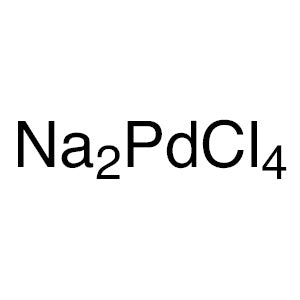
SodiumTetrachloropalladate(II) TCI S0540
Regular price Rp 4.531.800,00Regular priceRp 3.184.650,00Sale price Rp 4.531.800,00 -
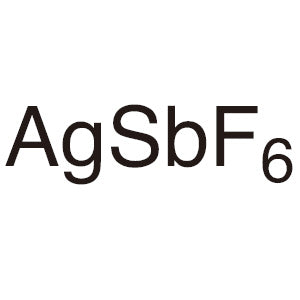
SilverHexafluoroantimonate(V) TCI S0463
Regular price Rp 3.155.250,00Regular priceRp 2.206.050,00Sale price Rp 3.155.250,00 -
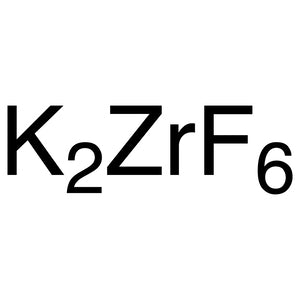
PotassiumHexafluorozirconate(IV) TCI P2953
Regular price From Rp 717.150,00Regular priceRp 500.850,00Sale price From Rp 717.150,00 -
Iron(III)Hexacyanoferrate(II) TCI I0849
Regular price Rp 1.803.900,00Regular priceRp 1.261.050,00Sale price Rp 1.803.900,00 -
Cobalt(II)Iodide TCI C3901
Regular price From Rp 1.696.800,00Regular priceRp 1.202.250,00Sale price From Rp 1.696.800,00 -
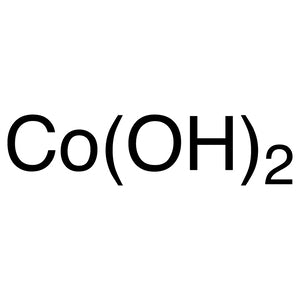
Cobalt(II)Hydroxide TCI C3824
Regular price Rp 1.988.700,00Regular priceRp 1.390.200,00Sale price Rp 1.988.700,00 -
Cobalt(II)BromideAnhydrous TCI C3823
Regular price Rp 1.618.050,00Regular priceRp 1.130.850,00Sale price Rp 1.618.050,00 -
Cobalt(II,III)Oxide TCI C3800
Regular price From Rp 1.936.200,00Regular priceRp 1.353.450,00Sale price From Rp 1.936.200,00