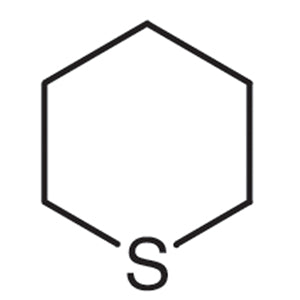
Pentamethylene sulfide (PMS), also known as TCI P0044 with CAS number 1613-51-0, is a chemical compound widely used in laboratory settings for its role in organic synthesis. As a building block in chemical reactions, PMS is essential for constructing complex molecules by facilitating sulfur bond formation. Its versatility makes it a valuable tool for chemists working on various synthetic pathways. This compound is particularly useful in reactions where sulfur functionality is required, enabling the development of new compounds with specific structural features.
PMS is characterized by its chemical stability under controlled conditions, yet it remains highly reactive when exposed to different reagents or environmental factors. Its non-colored, solid form and volatile nature influence its handling and application in laboratory processes. These properties make it a preferred choice for researchers who require precision and reactivity in their synthetic experiments. Due to its reactivity, careful handling is necessary to prevent unintended side reactions and ensure the integrity of the synthesis process.
In Indonesian laboratories, PMS is commonly utilized in organic chemistry research, especially in pharmaceutical and materials science applications. Its role in creating structured compounds with specific functionalities makes it an essential component in both academic and industrial research settings. The compound's reliability and effectiveness contribute to its widespread use in chemical synthesis within the region.
Related TCI products
- Organic synthesis applications benefit from PMS as it enables the formation of sulfur-containing bonds, crucial for creating complex molecular structures.
- Pharmaceutical research utilizes PMS to develop new compounds with specific therapeutic properties, enhancing drug discovery efforts.
- Material science experiments rely on PMS to synthesize polymers and other materials with tailored chemical properties.
- Analytical chemistry processes use PMS to create reference compounds for accurate identification and quantification of substances.
- Industrial chemical production incorporates PMS to manufacture intermediates used in the production of various chemical products.
| Brand | TCI |
|---|---|
| CAS number | 1613-51-0 |
| Molecular formula | — |
| Purity | — |
| Category | Chemistry > Building Blocks > Non-Heterocyclic Building Blocks |
| Pack sizes | Available in various quantities as per supplier specifications |
| Physical form | Solid |
| Storage | Store in a cool, dry place away from moisture and direct sunlight |
Pentamethylene sulfide should be stored in a cool, dry environment to maintain its chemical stability and prevent degradation. It is recommended to use airtight containers to minimize exposure to moisture and air, which can affect its reactivity. Due to its volatile nature, it is important to handle PMS in a well-ventilated area to avoid inhalation risks. Laboratory personnel should wear appropriate personal protective equipment, such as gloves and safety goggles, when working with this compound. Proper labeling of containers is essential to ensure safe handling and prevent accidental exposure. Regular monitoring of storage conditions helps maintain the integrity of the material and ensures compliance with safety standards in the laboratory.
—
Produk Terkait
-
TrimethyleneSulfide TCI T0474
Regular price From Rp 3.127.950,00Regular price -
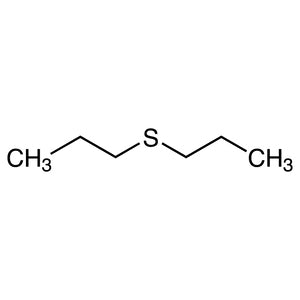
PropylSulfide TCI P0532
Regular price Rp 795.900,00Regular price -
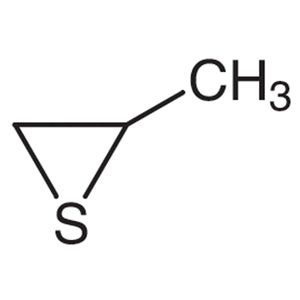
PropyleneSulfide(stabilizedwithButylMercaptan) TCI P0321
Regular price From Rp 1.220.100,00Regular price -
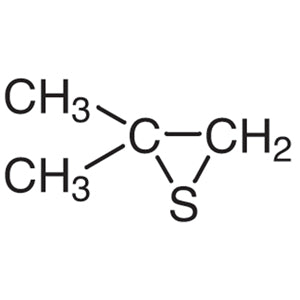
IsobutyleneSulfide TCI I0461
Regular price From Rp 2.625.000,00Regular price -
EthylSulfide TCI E0176
Regular price From Rp 1.644.300,00Regular price -
EthyleneSulfide(stabilizedwithButylMercaptan) TCI E0133
Regular price Rp 2.174.550,00Regular price -
2,2-Pentamethylene-1,3-dioxolan-4-one TCI P1019
Regular price From Rp 1.670.550,00Regular price -
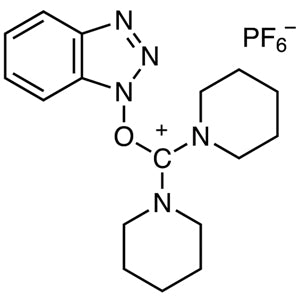
O-(Benzotriazol-1-yl)-N,N,N',N'-bis(pentamethylene)uroniumHexafluorophosphate TCI B3816
Regular price From Rp 823.200,00Regular price