Propylene Sulfide (stabilized with Butyl Mercaptan), with CAS number 1072-43-1, is a chemical compound widely used as a foundational material in various laboratory applications. This compound serves as a key building block in organic synthesis, enabling the creation of more complex sulfur-containing compounds. Its simple molecular structure plays a crucial role in facilitating chemical reactions, particularly in substitution and addition reactions. Due to its volatility and reactivity, it is an essential component in many synthetic processes within the chemical industry and research settings.
The compound's volatility and reactivity make it a preferred choice for laboratories requiring precise chemical reactions. Its stabilization with Butyl Mercaptan enhances its shelf life and reduces excessive reactivity, ensuring consistent performance in experimental conditions. This stabilization also contributes to its stability during storage and handling, making it a reliable reagent for synthetic pathways. The compound’s ability to participate in multiple chemical transformations further solidifies its importance in both academic and industrial research environments.
In Indonesian laboratories, Propylene Sulfide is commonly used in organic synthesis and chemical analysis. It is a staple in research focused on sulfur-containing compounds and their derivatives. Its reactivity and versatility make it a valuable tool for chemists working on a wide range of projects, from basic research to applied chemical development. Its role in Indonesian laboratories is significant, supporting both educational and industrial chemical research initiatives.
- Organic synthesis applications benefit from Propylene Sulfide’s reactivity and ability to form complex sulfur compounds, making it ideal for creating new molecular structures.
- Chemical analysis laboratories use it as a reagent for testing and characterizing sulfur-containing compounds due to its predictable chemical behavior.
- Industrial research settings rely on its stability and reactivity to develop new chemical products and materials with specific properties.
- Environmental studies may incorporate it to analyze sulfur compounds in various samples, aiding in pollution monitoring and remediation efforts.
- Pharmaceutical research utilizes it in the synthesis of sulfur-based compounds, contributing to the development of new drug molecules and therapeutic agents.
| Brand | TCI |
|---|---|
| CAS number | 1072-43-1 |
| Molecular formula | — |
| Purity | — |
| Category | Chemistry > Building Blocks > Non-Heterocyclic Building Blocks |
| Pack sizes | Available in various quantities as per supplier specifications |
| Physical form | Liquid |
| Storage | Store in a cool, dark place away from heat and direct sunlight |
Propylene Sulfide should be stored in a cool, dark, and well-ventilated area to maintain its stability and prevent degradation. It is recommended to use sealed, airtight containers made of materials compatible with its chemical properties, such as glass or high-density polyethylene. Due to its volatility and potential reactivity, it should be handled in a fume hood to minimize exposure. Always ensure that the storage area is free from sources of ignition and that proper personal protective equipment is worn when handling the compound. Regular monitoring of storage conditions is essential to maintain the compound’s integrity and ensure safe laboratory practices.
—
Produk Terkait
-
EthyleneSulfide(stabilizedwithButylMercaptan) TCI E0133
Regular price Rp 2.174.550,00Regular price -
TrimethyleneSulfide TCI T0474
Regular price From Rp 3.127.950,00Regular price -
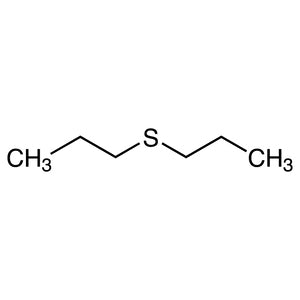
PropylSulfide TCI P0532
Regular price Rp 795.900,00Regular price -
PentamethyleneSulfide TCI P0044
Regular price Rp 1.724.100,00Regular price -
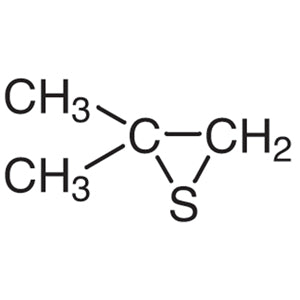
IsobutyleneSulfide TCI I0461
Regular price From Rp 2.625.000,00Regular price -
EthylSulfide TCI E0176
Regular price From Rp 1.644.300,00Regular price -
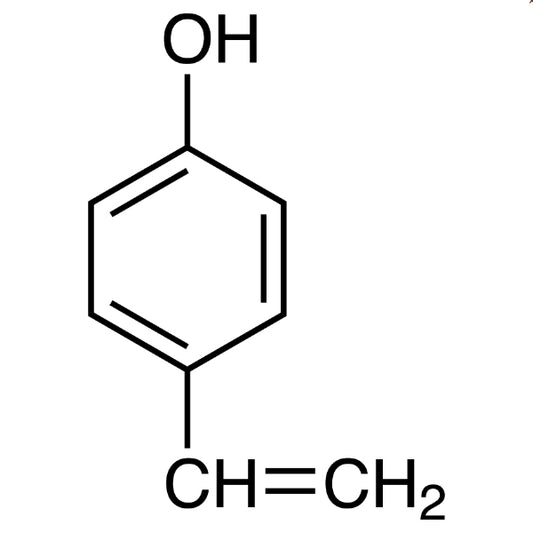
4-Vinylphenol(ca.10%inPropyleneGlycol) TCI V0088
Regular price From Rp 1.298.850,00Regular price -
PropyleneGlycolMonostearate TCI P2163
Regular price From Rp 477.750,00Regular price