Trioleyl Phosphite (TCI P0390), with CAS number 13023-13-7, is a chemical compound widely used in scientific and industrial applications, particularly in the fields of materials science and polymer chemistry. This compound is a phosphite ester derived from trioleic acid, which gives it a complex molecular structure. In the laboratory, it plays a crucial role as a polymer additive, contributing to the modification of material properties. Its unique chemical structure allows it to interact effectively with polymer chains, making it a versatile tool for researchers and industrial chemists.
One of the key properties that make Trioleyl Phosphite a preferred choice is its strong antioxidant activity. It functions as an effective oxidation inhibitor, protecting polymers from degradation caused by oxidative stress. This property is particularly valuable in applications where long-term stability is required. Additionally, its solubility in organic solvents enhances its usability in various chemical reactions and formulations, making it a reliable component in both research and production settings.
In Indonesian laboratories, Trioleyl Phosphite is commonly used in polymer modification processes. It is especially favored for its ability to improve the thermal and oxidative stability of polymer products. This makes it an essential material for researchers working on polymer science, materials development, and industrial applications. Its availability and performance make it a popular choice among scientists and technicians in the region.
Related TCI products
- TCI T3353 66470-81-3 Tris(1,1,1,3,3,3-hexafluoro-2-propyl) Phosphite
- TCI T0510 101-02-0 Triphenyl Phosphite
- TCI T0420 25448-25-3 Triisodecyl Phosphite (mixture of isomers)
- TCI T0362 102-85-2 Tributyl Phosphite
- TCI P1421 31570-04-4 Tris(2,4-di-tert-butylphenyl) Phosphite
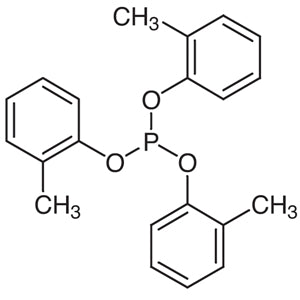
- TCI P1416 2622-08-4 Tri-o-tolyl Phosphite
- Polymer Stabilization: Trioleyl Phosphite is used to enhance the thermal and oxidative stability of polymer materials, making it ideal for long-term product durability.
- Antioxidant Additive: It serves as a powerful antioxidant, preventing polymer degradation during processing and storage, which is crucial for maintaining material integrity.
- Material Modification: Its ability to interact with polymer chains allows for the modification of material properties, such as flexibility and resistance to environmental factors.
- Organic Solvent Compatibility: Due to its solubility in organic solvents, it is widely used in chemical reactions and formulation processes in the laboratory.
- Industrial Polymer Processing: It is incorporated into polymer manufacturing processes to improve the performance and longevity of final products.
| Brand | TCI |
|---|---|
| CAS number | 13023-13-7 |
| Molecular formula | — |
| Purity | — |
| Category | Materials Science > Polymer/Macromolecule Reagents > Polymer Additives |
| Pack sizes | Available in various quantities as per supplier specifications |
| Physical form | Liquid |
| Storage | Store in a cool, dry place away from direct sunlight and incompatible materials |
Trioleyl Phosphite should be stored in a cool, dry environment, away from direct sunlight and sources of heat. It is recommended to keep it in a tightly sealed container to prevent exposure to air and moisture. Due to its chemical nature, it should be stored separately from strong oxidizing agents and incompatible substances to avoid potential reactions. In laboratory settings, it is important to handle the material with appropriate personal protective equipment, such as gloves and safety goggles, to ensure safe usage. Regular monitoring of storage conditions is advised to maintain the material's stability and effectiveness. Proper labeling of containers is essential for safe handling and to prevent accidental exposure.
—
Produk Terkait
-
Tris(1,1,1,3,3,3-hexafluoro-2-propyl)Phosphite TCI T3353
Regular price From Rp 3.367.350,00Regular price -
TriphenylPhosphite TCI T0510
Regular price From Rp 530.250,00Regular price -
TriisodecylPhosphite(mixtureofisomers) TCI T0420
Regular price From Rp 795.900,00Regular price -
TributylPhosphite TCI T0362
Regular price From Rp 903.000,00Regular price -
Tris(2,4-di-tert-butylphenyl)Phosphite TCI P1421
Regular price From Rp 477.750,00Regular price -
Tri-o-tolylPhosphite TCI P1416
Regular price From Rp 2.121.000,00Regular price -
TrihexylPhosphite TCI P1260
Regular price From Rp 1.378.650,00Regular price -
Tri-p-tolylPhosphite TCI P1175
Regular price From Rp 980.700,00Regular price