Potassium Trihydrogen Dioxalate Dihydrate (KHC₂O₄·2H₂O) is a chemical compound widely used in laboratory experiments across various fields of chemistry. It serves as a fundamental building block in both qualitative and quantitative analysis due to its reactivity and solubility. This compound is commonly employed in redox reactions and the synthesis of other organic and inorganic compounds. Its versatility makes it an essential reagent for students and researchers alike, supporting both basic and advanced laboratory work.
The compound is valued for its stability, solubility in water, and ability to react effectively in acidic environments. These properties make it a preferred choice for a wide range of chemical applications. Its high melting point ensures that it remains stable under typical laboratory conditions, reducing the risk of decomposition. Additionally, its availability and ease of handling contribute to its popularity among chemists working in both academic and industrial settings.
In Indonesian laboratories, Potassium Trihydrogen Dioxalate Dihydrate is frequently used in educational institutions and research facilities. It is a common reagent in analytical chemistry courses and practical experiments. Its role in synthesizing other compounds and its use in titration processes make it a staple in both undergraduate and graduate laboratory settings. Its reliability and consistent performance make it a trusted material for chemical experimentation in Indonesia.
Related TCI products
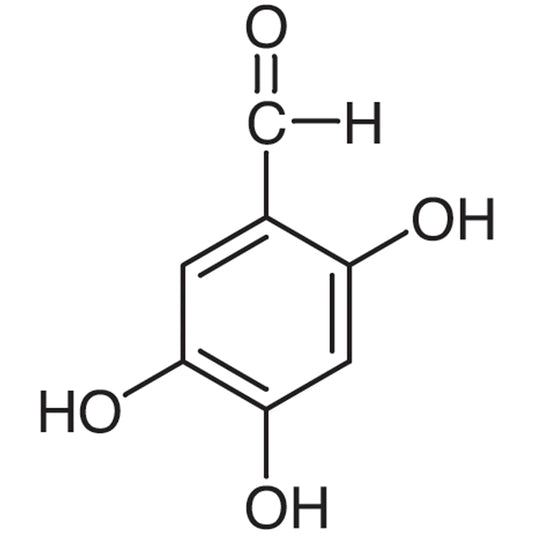
- TCI T1766 35094-87-2 2,4,5-Trihydroxybenzaldehyde
- TCI T1744 487-70-7 2,4,6-Trihydroxybenzaldehyde
- TCI P0601 71989-93-0 2,4,6-Trihydroxybenzoic Acid Monohydrate
- TCI P0571 610-02-6 2,3,4-Trihydroxybenzoic Acid
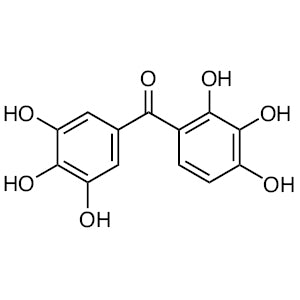
- TCI H1783 52479-85-3 (2,3,4-Trihydroxyphenyl)(3,4,5-trihydroxyphenyl)methanone
- TCI N1241 330-13-2 4-Nitrophenyl Dihydrogen Phosphate
- Redox Reactions: This compound is ideal for redox experiments due to its ability to act as an oxidizing or reducing agent, depending on the reaction conditions.
- Acid-Base Titration: Its solubility in water and reactivity in acidic environments make it suitable for use in titration processes to determine the concentration of unknown solutions.
- Organic Synthesis: It serves as a precursor in the synthesis of various organic compounds, particularly those involving dioxalate groups.
- Quantitative Analysis: Its stability and predictable behavior make it a reliable reagent for quantitative chemical analysis in both teaching and research laboratories.
- Educational Demonstrations: It is commonly used in laboratory demonstrations to illustrate chemical reactions and properties, especially in introductory chemistry courses.
| Brand | TCI |
|---|---|
| CAS number | 6100-20-5 |
| Molecular formula | — |
| Purity | — |
| Category | Chemistry > Building Blocks > Non-Heterocyclic Building Blocks |
| Pack sizes | Available in various quantities as per supplier specifications |
| Physical form | White crystalline solid |
| Storage | Store in a cool, dry place away from moisture and direct sunlight |
Potassium Trihydrogen Dioxalate Dihydrate should be stored in a cool, dry place to maintain its chemical stability. It is recommended to keep it in a sealed container to prevent moisture absorption, which could affect its solubility and reactivity. The compound should be stored away from direct sunlight and incompatible materials such as strong oxidizers. In laboratory settings, it is important to handle the compound with appropriate personal protective equipment, including gloves and safety goggles, to ensure safe handling. Due to its reactivity in acidic environments, it should be handled carefully to avoid unintended chemical interactions. Proper storage and handling practices help preserve its integrity and ensure its effectiveness in laboratory applications.
—
Produk Terkait
-
2,4,5-Trihydroxybenzaldehyde TCI T1766
Regular price From Rp 2.942.100,00Regular price -
2,4,6-Trihydroxybenzaldehyde TCI T1744
Regular price Rp 2.889.600,00Regular price -
2,4,6-TrihydroxybenzoicAcidMonohydrate TCI P0601
Regular price From Rp 1.087.800,00Regular price -
2,3,4-TrihydroxybenzoicAcid TCI P0571
Regular price From Rp 1.035.300,00Regular price -
(2,3,4-Trihydroxyphenyl)(3,4,5-trihydroxyphenyl)methanone TCI H1783
Regular price From Rp 3.232.950,00Regular price -
4-NitrophenylDihydrogenPhosphate TCI N1241
Regular price Rp 4.347.000,00Regular price -
DodecylDihydrogenPhosphate TCI M3548
Regular price From Rp 2.837.100,00Regular price -
CholineDihydrogenCitrate TCI C0331
Regular price From Rp 505.050,00Regular price