Dodecyl Dihydrogen Phosphate (DDP), with CAS number 2627-35-2, is a chemical compound widely used in laboratory settings for organic synthesis. As a building block in chemical reactions, it serves as a versatile reagent that can participate in various functional group transformations. Its role in the laboratory is critical for the development of complex organic molecules, making it an essential component in both academic and industrial research. This compound is particularly valued for its ability to interact with different chemical functionalities, enabling a wide range of synthetic pathways.
One of the key properties that make DDP a preferred choice is its chemical stability under controlled conditions. This stability allows it to be used effectively in substitution and hydrolysis reactions without undergoing unwanted side reactions. Additionally, its long hydrocarbon chain influences its solubility characteristics, which can be tailored to specific reaction requirements. These properties make it a reliable and adaptable reagent for a variety of synthetic applications. The ability to control reactivity through precise handling further enhances its utility in laboratory environments.
In Indonesian laboratories, Dodecyl Dihydrogen Phosphate is commonly used in chemical research and industrial applications. It is frequently found in studies related to pharmaceutical synthesis, chemical compounds, and other specialized areas. Its availability in the local market ensures that researchers and industries have consistent access to this essential reagent, supporting ongoing scientific and industrial innovation.
Related TCI products
- TCI N1241 330-13-2 4-Nitrophenyl Dihydrogen Phosphate
- TCI T4247 513-08-6 Tripropyl Phosphate
- TCI B1098 645-15-8 Bis(4-nitrophenyl) Phosphate [for Phosphodiesterase Substrate]
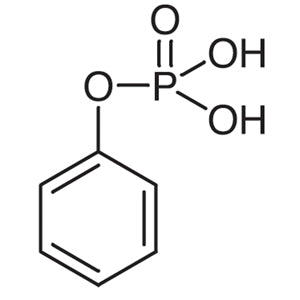
- TCI B0026 701-64-4 Phenyl Phosphate
- TCI T1002 3871-20-3 Tris(4-nitrophenyl) Phosphate
- TCI P2797 33494-80-3 Potassium Di-tert-butyl Phosphate
- Organic synthesis applications benefit from DDP's ability to participate in functional group transformations, enabling the creation of complex molecules with high specificity.
- Pharmaceutical research utilizes DDP due to its role in the synthesis of drug compounds, where precise chemical interactions are crucial for developing effective treatments.
- Industrial chemical processes incorporate DDP because of its stability and reactivity, making it suitable for large-scale production of specialty chemicals.
- Analytical chemistry uses DDP as a reagent in hydrolysis reactions, allowing for the breakdown of complex compounds for further analysis.
- Environmental studies employ DDP in the investigation of chemical degradation processes, helping to understand the behavior of organic compounds in different environments.
| Brand | TCI |
|---|---|
| CAS number | 2627-35-2 |
| Molecular formula | — |
| Purity | — |
| Category | Chemistry > Building Blocks > Non-Heterocyclic Building Blocks |
| Pack sizes | Available in various quantities as per standard laboratory supply |
| Physical form | Solid or liquid, depending on the specific product variant |
| Storage | Store in a cool, dry place away from direct sunlight and moisture |
Dodecyl Dihydrogen Phosphate should be stored in a cool, dry environment to maintain its chemical stability. It is recommended to keep the compound in a tightly sealed container to prevent exposure to moisture and air, which may affect its reactivity. Suitable storage containers include glass or high-density polyethylene (HDPE) bottles, which provide a barrier against chemical interactions. In laboratory settings, it is important to handle the compound with appropriate personal protective equipment (PPE) such as gloves and safety goggles to ensure safety. Proper labeling of containers is essential to prevent accidental misuse. Regular inspection of storage conditions ensures that the compound remains in optimal condition for use in chemical reactions.
—
Produk Terkait
-
4-NitrophenylDihydrogenPhosphate TCI N1241
Regular price Rp 4.347.000,00Regular price -
TripropylPhosphate TCI T4247
Regular price From Rp 1.644.300,00Regular price -
Bis(4-nitrophenyl)Phosphate[forPhosphodiesteraseSubstrate] TCI B1098
Regular price From Rp 5.327.700,00Regular price -
PhenylPhosphate TCI B0026
Regular price From Rp 4.240.950,00Regular price -
Tris(4-nitrophenyl)Phosphate TCI T1002
Regular price Rp 3.763.200,00Regular price -
PotassiumDi-tert-butylPhosphate TCI P2797
Regular price Rp 1.724.100,00Regular price -
DibenzylPhosphate TCI P1120
Regular price From Rp 1.749.300,00Regular price -
DidodecylHydrogenPhosphate TCI P1068
Regular price From Rp 2.386.650,00Regular price


![645-15-8 Bis(4-nitrophenyl) Phosphate [for Phosphodiesterase Substrate] - AMI Scientific](http://amiscientific.com/cdn/shop/files/TCI2510B1098.jpg?v=1768193282&width=533)