DL-Proline is a chemical compound widely used in chemical and biochemical applications, particularly in peptide synthesis and protein structure studies. As an essential amino acid, proline has a unique cyclic structure that influences its physical and chemical properties, making it a valuable component in various laboratory processes. This compound plays a crucial role in organic synthesis, protein modification, and drug development, supporting research in both academic and industrial settings. Its versatility and reliability make it a key reagent in modern chemical laboratories.
DL-Proline is preferred due to its stable chemical properties and excellent solubility in organic solvents such as ethylamine and acetone. These characteristics ensure that it remains effective during chemical reactions without significant degradation. Its high reactivity in coupling and substitution reactions further enhances its utility in synthetic chemistry. The combination of physical, chemical, and reactive properties makes DL-Proline a top choice for laboratories requiring high-quality chemical materials.
In Indonesian laboratories, DL-Proline is commonly used in research related to pure chemistry, biochemistry, and pharmaceutical sciences. It supports a wide range of experiments, including the synthesis of organic compounds, protein modification studies, and the development of new therapeutic agents. Its consistent performance and reliability make it a trusted material in both academic and research institutions across Indonesia.
TCI brochures (PDF)
- Amino Acids and Peptide Synthesis Reagents 2025-08-14 · p. 4
Related TCI products
- TCI P0994 344-25-2 D-Proline
- TCI P0481 147-85-3 L-Proline
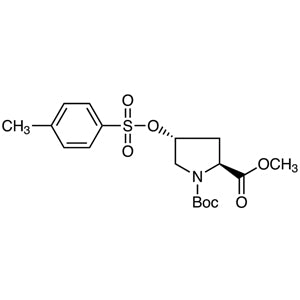
- TCI B5247 88043-21-4 N-(tert-Butoxycarbonyl)-trans-4-(p-toluenesulfonyloxy)-L-proline Methyl Ester
- TCI B4787 73323-65-6 N-(tert-Butoxycarbonyl)-D-proline Methyl Ester
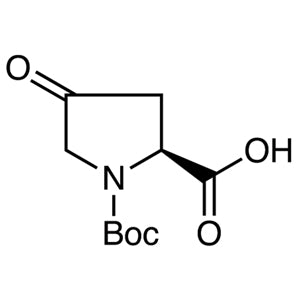
- TCI B4141 84348-37-8 N-(tert-Butoxycarbonyl)-4-oxo-L-proline
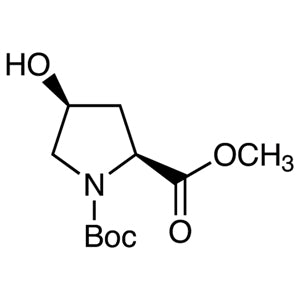
- TCI B3987 102195-79-9 N-(tert-Butoxycarbonyl)-cis-4-hydroxy-L-proline Methyl Ester
- Peptide Synthesis: DL-Proline is essential for constructing peptide chains due to its unique cyclic structure and reactivity in coupling reactions.
- Protein Structure Studies: It is used to investigate the conformational properties of proteins, aiding in understanding their biological functions.
- Organic Compound Synthesis: Its stability and solubility make it ideal for synthesizing a variety of organic molecules in laboratory settings.
- Drug Development: DL-Proline contributes to the design and modification of pharmaceutical compounds, enhancing their efficacy and stability.
- Biochemical Research: It supports experiments involving amino acid metabolism and enzyme activity studies in biological systems.
| Brand | TCI |
|---|---|
| CAS number | 609-36-9 |
| Molecular formula | — |
| Purity | — |
| Category | Chemistry > Chemical Biology > Peptide Chemistry |
| Pack sizes | Available in various quantities as per standard laboratory requirements |
| Physical form | White crystalline powder |
| Storage | Store in a cool, dry place away from light and moisture |
DL-Proline should be stored in a cool, dry environment, away from direct light and moisture to maintain its stability and purity. It is recommended to use airtight containers to prevent exposure to humidity and contaminants. When handling, it is important to use appropriate personal protective equipment such as gloves and safety goggles to ensure safety. The compound is generally non-hazardous under normal laboratory conditions but should be handled with care to avoid contamination. Proper storage and handling practices help preserve the integrity of the compound for long-term use in research applications.
—
Product Categories
Produk Terkait
-
D-Proline TCI P0994
Regular price From Rp 1.378.650,00Regular price -
L-Proline TCI P0481
Regular price From Rp 980.700,00Regular price -
N-(tert-Butoxycarbonyl)-trans-4-(p-toluenesulfonyloxy)-L-prolineMethylEster TCI B5247
Regular price From Rp 557.550,00Regular price -
N-(tert-Butoxycarbonyl)-D-prolineMethylEster TCI B4787
Regular price From Rp 769.650,00Regular price -
N-(tert-Butoxycarbonyl)-4-oxo-L-proline TCI B4141
Regular price From Rp 1.298.850,00Regular price -
N-(tert-Butoxycarbonyl)-cis-4-hydroxy-L-prolineMethylEster TCI B3987
Regular price From Rp 689.850,00Regular price -
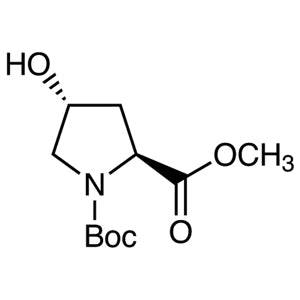
N-(tert-Butoxycarbonyl)-trans-4-hydroxy-L-prolineMethylEster TCI B3843
Regular price From Rp 769.650,00Regular price -
N-(tert-Butoxycarbonyl)-D-prolineSuccinimidylEster TCI B3414
Regular price From Rp 743.400,00Regular price