Pyruvic Acid (TCI P0579, CAS 127-17-3) is an organic compound widely used in chemical and biochemical experiments within laboratories. It plays a crucial role in metabolic processes, particularly in carbohydrate metabolism, fermentation, and cellular respiration. As a fundamental building block in organic chemistry, pyruvic acid is essential for the synthesis of complex compounds. Its presence in various research fields makes it a versatile reagent for both academic and industrial applications.
Pyruvic acid is valued for its chemical reactivity and solubility in water. Its ability to participate in reduction, oxidation, and substitution reactions makes it a preferred choice for organic synthesis. The compound’s reactive nature allows it to be used in a wide range of chemical transformations, contributing to the development of pharmaceuticals, cosmetics, and food additives. Its structural simplicity and functional groups enhance its utility in laboratory settings.
In Indonesian laboratories, pyruvic acid is commonly used for studying chemical reactions involving carbonyl and hydroxyl groups. It is a key component in biochemical research, particularly in metabolic pathway studies. Its high reactivity and solubility make it a preferred material for experiments requiring chemical transformation and functional group manipulation.
- Biochemical Research – Pyruvic acid is essential for studying metabolic pathways and cellular respiration due to its role in glycolysis and fermentation.
- Organic Synthesis – Its reactive functional groups make it ideal for synthesizing complex organic compounds, including pharmaceuticals and food additives.
- Analytical Chemistry – Used in chromatographic and spectroscopic analyses to identify and quantify compounds in various samples.
- Cosmetic Formulation – It is a key ingredient in the development of skincare products due to its antioxidant and skin-renewing properties.
- Food Science – Applied in the production of food additives and flavoring agents due to its natural occurrence and chemical versatility.
| Brand | TCI |
|---|---|
| CAS number | 127-17-3 |
| Molecular formula | — |
| Purity | — |
| Category | Chemistry > Building Blocks > Non-Heterocyclic Building Blocks |
| Pack sizes | Available in various quantities as per standard laboratory requirements |
| Physical form | Solid or liquid, depending on the specific product variant |
| Storage | Store in a cool, dry place away from direct sunlight and moisture |
Pyruvic acid should be stored in a cool, dry environment to maintain its chemical stability. It is recommended to keep it in a sealed container to prevent moisture absorption and contamination. Due to its reactivity, it should be handled with care, using appropriate personal protective equipment such as gloves and safety goggles. Avoid exposure to heat and direct sunlight to prevent degradation. In a laboratory setting, it is important to ensure proper ventilation and to store it away from incompatible substances. Regular monitoring of storage conditions ensures the integrity and safety of the compound during use.
—
Produk Terkait
-
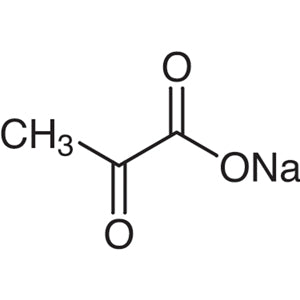
SodiumPyruvate TCI P0582
Regular price From Rp 505.050,00Regular price -
PyruvicAldehydeDimethylAcetal TCI P1264
Regular price From Rp 1.565.550,00Regular price -
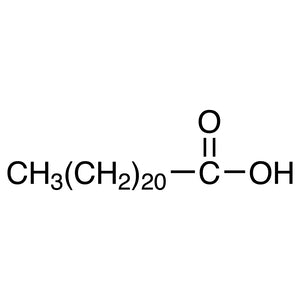
BehenicAcid TCI B1747
Regular price Rp 3.976.350,00Regular price -
BehenicAcid TCI B1248
Regular price From Rp 795.900,00Regular price -
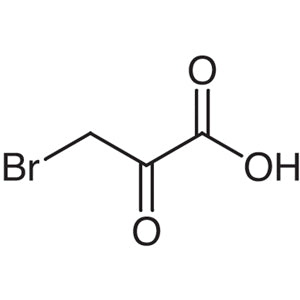
3-BromopyruvicAcid TCI B1153
Regular price From Rp 2.279.550,00Regular price -
LithiumAcetoacetate TCI A1478
Regular price From Rp 3.180.450,00Regular price -
ArachidonicAcid TCI A0781
Regular price From Rp 2.332.050,00Regular price -
Tributyrin TCI T0364
Regular price From Rp 505.050,00Regular price