Phenylpropiolic Acid (TPA), with CAS number 637-44-5, is a chemical compound widely used in organic synthesis within laboratory settings. It serves as a fundamental building block in the creation of various organic and heterocyclic compounds. Its molecular structure, featuring a carbon chain connected to a phenyl group, makes it a versatile reagent for chemical reactions requiring high reactivity and the formation of new bonds. This compound is particularly valued for its ability to participate in multiple types of chemical transformations, making it an essential tool for chemists working in both academic and industrial environments.
Phenylpropiolic Acid is known for its high reactivity, especially at the carbonyl and terminal groups, which allows it to engage in nucleophilic, electrophilic, and substitution reactions. These chemical properties make it ideal for use in controlled synthesis processes where precise reactivity is required. Its stability under certain conditions also makes it suitable for applications that demand careful management of chemical reactivity. As a result, it is a preferred choice for researchers aiming to develop new compounds with specific functional groups or structural features.
In Indonesian laboratories, Phenylpropiolic Acid is commonly used in chemical research, including the synthesis of pharmaceutical compounds, polymers, and other organic materials. It plays a crucial role in drug development, material science, and analytical chemistry. Its availability through reliable suppliers like AMI Scientific ensures that researchers have access to high-quality reagents necessary for their experiments and innovations.
Related TCI products
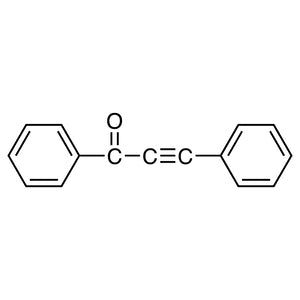
- TCI D6145 7338-94-5 1,3-Diphenylprop-2-yn-1-one
- TCI B6397 1774-66-9 3-(4-Bromophenyl)-1-phenylprop-2-en-1-one
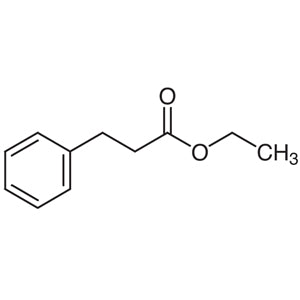
- TCI P1304 2021-28-5 Ethyl 3-Phenylpropionate
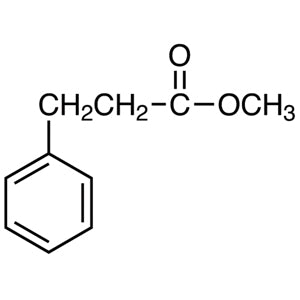
- TCI M1786 103-25-3 Methyl 3-Phenylpropionate
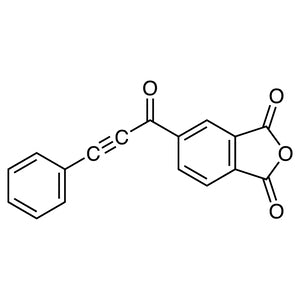
- TCI P2899 1329658-14-1 5-(3-Phenylpropioloyl)isobenzofuran-1,3-dione
- TCI P2248 2579-22-8 3-Phenylpropiolaldehyde
- Organic synthesis applications benefit from Phenylpropiolic Acid due to its reactivity and ability to form new chemical bonds in complex molecular structures.
- Pharmaceutical research utilizes this compound for the development of new drugs, as it can be modified to create various functional groups essential for drug efficacy.
- Polymer synthesis often incorporates Phenylpropiolic Acid to create materials with specific chemical properties, such as thermal stability and mechanical strength.
- Analytical chemistry laboratories use it as a standard reference material for testing and calibration of chemical instruments.
- Material science research employs it to develop advanced materials with unique chemical and physical properties for industrial applications.
| Brand | TCI |
|---|---|
| CAS number | 637-44-5 |
| Molecular formula | — |
| Purity | — |
| Category | Chemistry > Building Blocks > Non-Heterocyclic Building Blocks |
| Pack sizes | Available in various quantities as per supplier specifications |
| Physical form | Solid or liquid, depending on the specific product variant |
| Storage | Store in a cool, dry place away from direct sunlight and moisture |
Phenylpropiolic Acid should be stored in a cool, dry environment to maintain its chemical stability. It is recommended to keep it in airtight containers to prevent exposure to moisture and air, which could lead to degradation. Due to its reactivity, it should be handled in a well-ventilated area, and appropriate personal protective equipment, such as gloves and goggles, should be worn. Avoid contact with incompatible substances, and ensure that storage areas are secure to prevent accidental spills or exposure. Regular monitoring of storage conditions is advised to ensure the compound remains suitable for use in laboratory applications.
—
Produk Terkait
-
1,3-Diphenylprop-2-yn-1-one TCI D6145
Regular price Rp 6.042.750,00Regular price -
3-(4-Bromophenyl)-1-phenylprop-2-en-1-one TCI B6397
Regular price Rp 4.929.750,00Regular price -
Ethyl3-Phenylpropionate TCI P1304
Regular price From Rp 1.510.950,00Regular price -
Methyl3-Phenylpropionate TCI M1786
Regular price Rp 2.016.000,00Regular price -
5-(3-Phenylpropioloyl)isobenzofuran-1,3-dione TCI P2899
Regular price From Rp 1.565.550,00Regular price -
3-Phenylpropiolaldehyde TCI P2248
Regular price Rp 1.776.600,00Regular price -
EthylPhenylpropiolate TCI P0814
Regular price From Rp 1.273.650,00Regular price -
MethylPhenylpropiolate TCI M2080
Regular price From Rp 1.881.600,00Regular price