Pentaethylenehexamine (mixture) from TCI is a long-chain aliphatic polyamine built from repeating ethyleneamine units. Each molecule contains six nitrogen atoms, present as primary and secondary amine groups. The product is supplied as a mixture because ethylene polyamines of this type naturally occur in linear, branched, and cyclic forms. In the laboratory it serves as a non-heterocyclic building block for constructing ligands, modifying material surfaces, and researching resin curing agents and gas-sorbent materials.
The main appeal of pentaethylenehexamine is the very high density of amine groups packed into a single molecule. Its many nitrogen atoms allow it to bind metal ions strongly as a multidentate chelating agent. It also reacts readily with epoxides, isocyanates, aldehydes, and other carbonyl-containing groups, which makes it a flexible partner in synthesis and polymer chemistry. Because it is both basic and nucleophilic, researchers often choose it to graft amine functionality onto silica, carbon, or polymer surfaces. Materials modified this way are widely studied for carbon dioxide capture and heavy-metal binding.
In Indonesia, this material is relevant to laboratories working in materials chemistry, chemical engineering, and related research fields. University research groups and industrial R&D teams can use it to prepare amine-functionalized adsorbents, test new curing formulations for epoxy systems, or synthesize polydentate ligands for coordination chemistry studies. It also suits environmental research on removing heavy metals from water and on capturing carbon dioxide, both of which are of growing interest across Indonesian academic and industrial laboratories.
Related TCI products
- TCI B4014 37942-69-1 4-Butylcyclohexylamine (cis- and trans- mixture)
- TCI B4004 25834-93-9 4-sec-Butylcyclohexylamine (cis- and trans- mixture)
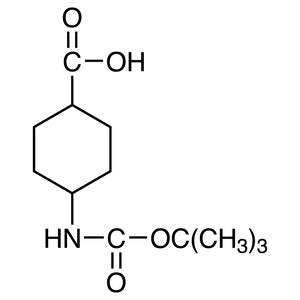
- TCI B3248 130309-46-5 4-(tert-Butoxycarbonylamino)cyclohexanecarboxylic Acid (cis- and trans- mixture)
- TCI B1084 5400-88-4 4-tert-Butylcyclohexylamine (cis- and trans- mixture)
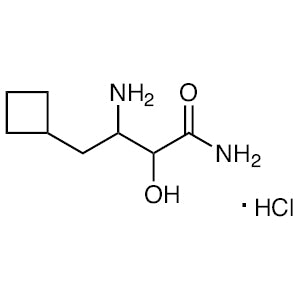
- TCI A3314 394735-23-0 3-Amino-4-cyclobutyl-2-hydroxybutanamide Hydrochloride (mixture of diastereoisomers)
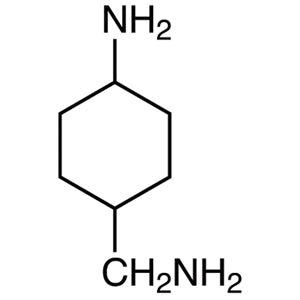
- TCI A3258 13338-82-4 4-(Aminomethyl)cyclohexanamine (cis- and trans- mixture)
- Ligand synthesis: its six nitrogen donor atoms make it a convenient starting point for building multidentate ligands that coordinate strongly to transition metal ions in coordination chemistry research.
- Surface amine functionalization: its basic, nucleophilic amine groups allow efficient grafting onto silica, carbon, or polymer supports, producing materials rich in accessible amine sites for further study.
- Carbon dioxide sorbent research: the high amine density per molecule makes it a common choice for preparing amine-loaded materials that are investigated for capturing carbon dioxide from gas streams.
- Epoxy and resin curing studies: its ready reaction with epoxide and isocyanate groups makes it useful for researching curing agents and evaluating crosslinking behavior in thermoset resin formulations.
- Heavy-metal binding and chelation: its strong multidentate chelating ability suits experiments on capturing heavy-metal ions, including development of adsorbents for environmental and water treatment research.
| Brand | TCI |
|---|---|
| CAS number | 4067-16-7 |
| Molecular formula | — |
| Purity | — |
| Category | Chemistry > Building Blocks > Non-Heterocyclic Building Blocks |
| Pack sizes | see the product page and the TCI label or Safety Data Sheet for available pack sizes and recommended storage conditions |
| Physical form | — |
| Storage | — |
- Product code: P0622
- Form: supplied as a mixture of linear, branched, and cyclic ethylene polyamine species
Keep pentaethylenehexamine in its original tightly closed container in a cool, dry, well-ventilated area, away from direct sunlight and heat sources. Because amines can absorb moisture and carbon dioxide from the air, reseal the container promptly after each use. Store it apart from acids, oxidizing agents, and reactive carbonyl compounds such as aldehydes, epoxides, and isocyanates. Handle it inside a fume hood while wearing chemical-resistant gloves, safety goggles, and a laboratory coat, and avoid contact with skin and eyes. Always check the TCI Safety Data Sheet for specific storage temperatures, hazard classifications, and disposal requirements before use.
—
Produk Terkait
-
4-Butylcyclohexylamine(cis-andtrans-mixture) TCI B4014
Regular price From Rp 3.392.550,00Regular price -
4-sec-Butylcyclohexylamine(cis-andtrans-mixture) TCI B4004
Regular price Rp 3.232.950,00Regular price -
4-(tert-Butoxycarbonylamino)cyclohexanecarboxylicAcid(cis-andtrans-mixture) TCI B3248
Regular price From Rp 2.625.000,00Regular price -
4-tert-Butylcyclohexylamine(cis-andtrans-mixture) TCI B1084
Regular price From Rp 1.193.850,00Regular price -
3-Amino-4-cyclobutyl-2-hydroxybutanamideHydrochloride(mixtureofdiastereoisomers) TCI A3314
Regular price From Rp 955.500,00Regular price -
4-(Aminomethyl)cyclohexanamine(cis-andtrans-mixture) TCI A3258
Regular price From Rp 2.916.900,00Regular price -
4-(2-Aminoethyl)cyclohexylamine(cis-andtrans-mixture) TCI A2609
Regular price From Rp 3.180.450,00Regular price -
3,3,5-Trimethylcyclohexylamine(cis-andtrans-mixture) TCI T0601
Regular price Rp 2.121.000,00Regular price