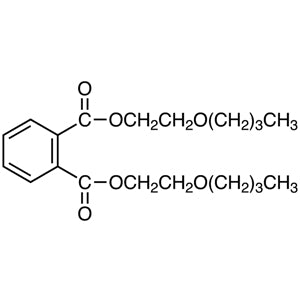
Phthalic Acid Bis(2-butoxyethyl) Ester from TCI, also known as bis(2-butoxyethyl) phthalate, is a diester of phthalic acid carrying two 2-butoxyethanol groups. It belongs to the phthalate ester family, which has historically been used to plasticize PVC and other resins. In the laboratory it serves three roles: a non-heterocyclic building block for synthesis, an analytical reference compound for phthalate testing, and a research material in polymer science. The ether groups in its side chains set it apart from ordinary alkyl phthalates.
The ether linkages in the butoxyethyl chains make this compound slightly more polar than simple dialkyl phthalates. That polarity affects how well it mixes with polymer matrices and how it behaves in chromatographic separations. As a result, it is useful in studies of plasticizer effectiveness and of additive migration from packaging materials. Many phthalate esters are now regulated because of health and environmental concerns. A well-defined reference material from an established reagent manufacturer such as TCI is therefore essential for reliable identification and quantification.
In Indonesia, this compound is typically used by laboratories that test plastics, packaging, consumer products, and environmental samples for phthalate content. It is also used by university research groups working in polymer chemistry and organic synthesis. Quality control laboratories in the packaging and polymer industries use it as a comparison standard when developing and validating chromatographic methods. Academic researchers use it to study how plasticizers behave and how additives move from polymer materials into food simulants and other media.
Related TCI products
- TCI B2716 141-18-4 Bis(2-butoxyethyl) Adipate
- TCI P0683 78-51-3 Tris(2-butoxyethyl) Phosphate
- TCI P0354 1445-69-8 Phthalic Hydrazide
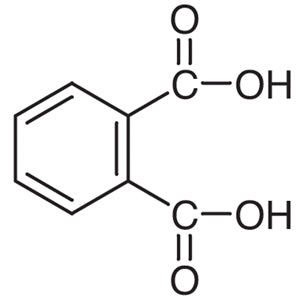
- TCI P0287 88-99-3 Phthalic Acid
- TCI M2757 1240685-26-0 4-(1-Propynyl)phthalic Anhydride
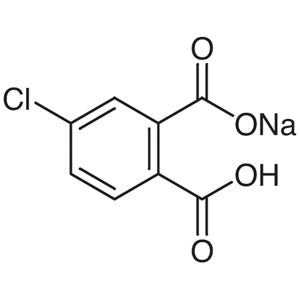
- TCI C0265 56047-23-5 Sodium Hydrogen 4-Chlorophthalate (contains isomer and Phthalic Acid)
- Phthalate analysis: this compound serves as a defined reference standard for identifying and quantifying bis(2-butoxyethyl) phthalate in plastics, packaging, and consumer product samples by chromatographic methods.
- Migration studies: because its polarity differs from simple alkyl phthalates, researchers use it to study how additives migrate from packaging materials into food simulants and other contact media.
- Plasticizer research: polymer scientists use it to compare plasticizing efficiency and compatibility with PVC and other resins against conventional dialkyl phthalate esters.
- Organic synthesis: as a non-heterocyclic building block, it gives synthetic chemists an aromatic diester framework with ether-containing side chains for further derivatization or comparative studies.
- Chromatographic method development: its ether-modified structure gives distinctive retention behavior, so it is useful for optimizing and validating separation methods that cover multiple phthalate esters.
| Brand | TCI (product code P0657) |
|---|---|
| CAS number | 117-83-9 |
| Molecular formula | — |
| Purity | — |
| Category | Chemistry > Building Blocks > Non-Heterocyclic Building Blocks |
| Pack sizes | available in the pack sizes listed on the product page |
| Physical form | see the TCI product specification and Certificate of Analysis |
| Storage | keep tightly sealed and store according to the conditions on the label and the SDS |
Store this compound in its original, tightly closed container in a cool, dry, well-ventilated area. Keep it away from direct sunlight, heat sources, and strong oxidizing agents. If you transfer portions, use clean, chemically compatible glass containers with secure closures and clear labels. Handle the material in a fume hood or a well-ventilated area, wearing appropriate personal protective equipment, including chemical-resistant gloves, safety glasses, and a laboratory coat. Phthalate esters are subject to health and environmental scrutiny, so avoid skin contact, inhalation, and release into drains. To prevent background contamination in trace phthalate analysis, avoid plastic labware wherever possible. Always consult the TCI Safety Data Sheet before use, and dispose of waste according to local regulations.
—
Produk Terkait
-
Bis(2-butoxyethyl)Adipate TCI B2716
Regular price From Rp 717.150,00Regular price -
Tris(2-butoxyethyl)Phosphate TCI P0683
Regular price From Rp 769.650,00Regular price -
PhthalicHydrazide TCI P0354
Regular price From Rp 557.550,00Regular price -
PhthalicAcid TCI P0287
Regular price From Rp 505.050,00Regular price -
4-(1-Propynyl)phthalicAnhydride TCI M2757
Regular price From Rp 2.597.700,00Regular price -
SodiumHydrogen4-Chlorophthalate(containsisomerandPhthalicAcid) TCI C0265
Regular price Rp 743.400,00Regular price -
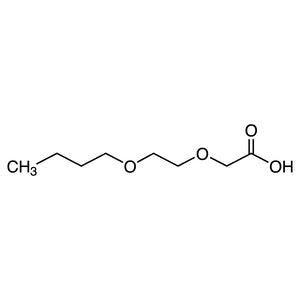
(2-Butoxyethoxy)aceticAcid TCI D2491
Regular price From Rp 3.551.100,00Regular price -
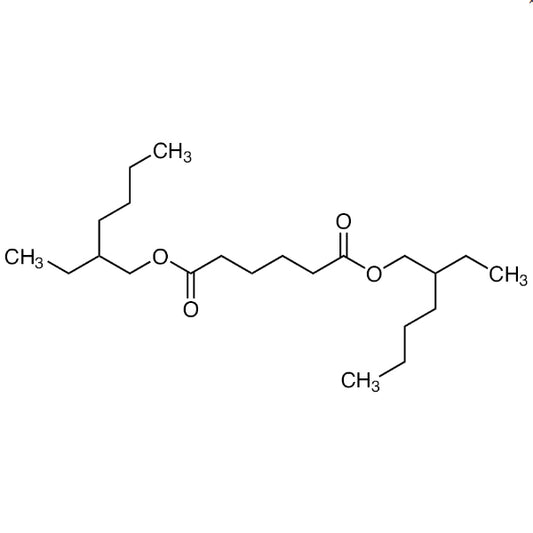
Bis(2-ethylhexyl)Adipate TCI A0163
Regular price Rp 452.550,00Regular price