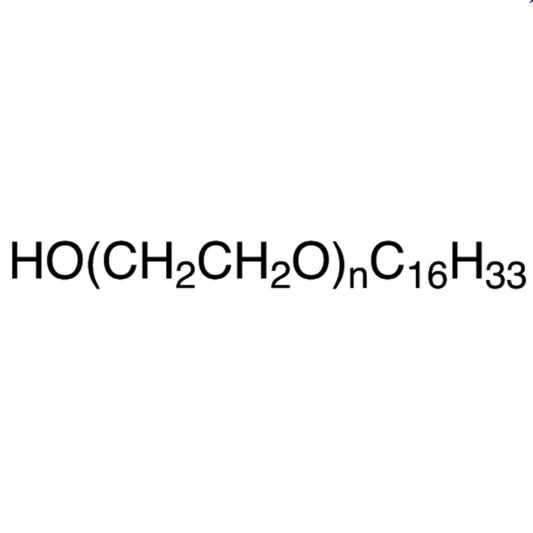
Polyethylene Glycol Monostearate (PEG Monostearate) is a chemical compound widely used in laboratory applications related to polymer science and additive formulations. This material is a mixture of palmitate and stearate esters of polyethylene glycol, making it a versatile emulsifier and surfactant. Its molecular structure allows it to function as a surface-active agent, improving the compatibility of immiscible substances. In the laboratory, it plays a crucial role in enhancing the stability and performance of various formulations.
One of the key attributes that make PEG Monostearate a preferred choice is its non-ionic nature, which allows it to remain effective across a wide range of pH conditions. Additionally, it exhibits good solubility in organic solvents, making it suitable for a variety of chemical reactions and formulations. Its non-toxic and relatively safe profile also makes it an ideal candidate for use in research environments where safety is a priority.
In Indonesian laboratories, PEG Monostearate is commonly utilized in cosmetic formulation studies, pharmaceutical development, and industrial material testing. Its ability to improve surface properties and stabilize emulsions makes it a valuable component in the development of new products. Its versatility and reliability have made it a go-to material for researchers in various scientific disciplines.
Related TCI products
- TCI P3064 9005-00-9 Polyethylene Glycol Monostearyl Ether (n=approx. 20)
- TCI P2885 9005-08-7 Polyethylene Glycol Distearate (n=approx. 10)
- TCI P0873 9002-93-1 Polyethylene Glycol Mono-4-octylphenyl Ether (n=approx. 10)
- TCI P0872 9004-81-3 Polyethylene Glycol Monolaurate (n=approx. 10)
- TCI P0841 9004-95-9 Polyethylene Glycol Monocetyl Ether (n=approx. 23)
- TCI P0723 9004-99-3 Polyethylene Glycol Monostearate (n=approx. 55) (palmitate and stearate mixture)
- Cosmetic Formulation: PEG Monostearate is used to enhance the texture and stability of cosmetic products by improving emulsification and dispersion properties.
- Pharmaceutical Development: It serves as an emulsifier and surfactant in drug formulation, aiding in the uniform mixing of active ingredients and excipients.
- Industrial Material Testing: This compound is employed in the evaluation of polymer-based materials for their surface compatibility and dispersibility characteristics.
- Surface Science Research: Its surfactant properties make it suitable for studies involving interfacial behavior and wetting properties of materials.
- Emulsion Stability Studies: PEG Monostearate is used to investigate the stability of emulsions under different environmental conditions, aiding in product development.
| Brand | TCI |
|---|---|
| CAS number | 9004-99-3 |
| Molecular formula | — |
| Purity | — |
| Category | Materials Science > Polymer/Macromolecule Reagents > Polymer Additives |
| Pack sizes | Available in standard laboratory quantities as per supplier specifications |
| Physical form | Solid powder |
| Storage | Store in a cool, dry place away from direct sunlight |
PEG Monostearate should be stored in a cool, dry environment to maintain its chemical integrity and prevent degradation. It is recommended to use airtight containers to protect it from moisture and contaminants. Due to its non-toxic nature, it is generally safe to handle, but standard laboratory safety practices should still be followed, such as wearing gloves and eye protection when handling. It is important to ensure proper ventilation in the workspace to avoid inhalation of fine particles. Avoid exposure to high temperatures or direct sunlight, as these conditions may affect its physical properties. Always follow standard operating procedures for chemical handling to ensure a safe and efficient laboratory environment.
—
Product Categories
Produk Terkait
-
PolyethyleneGlycolMonostearylEther(n=approx.20) TCI P3064
Regular price From Rp 505.050,00Regular price -
PolyethyleneGlycolDistearate(n=approx.10) TCI P2885
Regular price Rp 1.220.100,00Regular price -
PolyethyleneGlycolMono-4-octylphenylEther(n=approx.10) TCI P0873
Regular price From Rp 557.550,00Regular price -
PolyethyleneGlycolMonolaurate(n=approx.10) TCI P0872
Regular price From Rp 477.750,00Regular price -
PolyethyleneGlycolMonocetylEther(n=approx.23) TCI P0841
Regular price From Rp 477.750,00Regular price -
PolyethyleneGlycolMonostearate(n=approx.55)(palmitateandstearatemixture) TCI P0723
Regular price From Rp 477.750,00Regular price -
PolyethyleneGlycolMonostearate(n=approx.40)(palmitateandstearatemixture) TCI P0721
Regular price From Rp 477.750,00Regular price -
PolyethyleneGlycolMonostearate(n=approx.25)(palmitateandstearatemixture) TCI P0720
Regular price From Rp 477.750,00Regular price